


Power Washing in Parkesburg, PA is often the first solution homeowners and business owners consider when chewing gum becomes a stubborn eyesore on sidewalks, driveways, or patios. Chewing gum sticks fast, traps dirt, and hardens over time, turning a small nuisance into a permanent-looking stain. Left alone, it makes properties look neglected and can even create slip hazards in high-traffic areas. Scraping it by hand rarely works and can damage surfaces, while harsh chemicals may discolor concrete or brick. The good news is that with the right power washing techniques, equipment, and surface knowledge, chewing gum can be removed safely and effectively. This guide explains how gum sticks, why it’s so hard to remove, and the most reliable pressure washing and power cleaning methods that restore surfaces without causing damage.
Why Chewing Gum Bonds So Strongly to Outdoor Surfaces
Chewing gum is designed to be elastic and sticky. When it hits a warm surface like concrete or asphalt, it softens and flows into tiny pores and cracks. As temperatures drop, the gum hardens and essentially locks itself into the surface texture.
Concrete, brick, pavers, and stone are all porous materials. Dirt, oils, and moisture combine with the gum over time, making it darker and harder. Foot traffic presses it deeper, which is why older gum spots are much tougher to remove than fresh ones.
Environmental factors in Parkesburg, Pennsylvania also play a role. Seasonal temperature changes cause surfaces to expand and contract, further embedding the gum. Rainwater can spread residue, while sunlight bakes it in place. This is why proper power washing methods matter more than brute force.
Common Surfaces in Parkesburg Where Gum Becomes a Problem
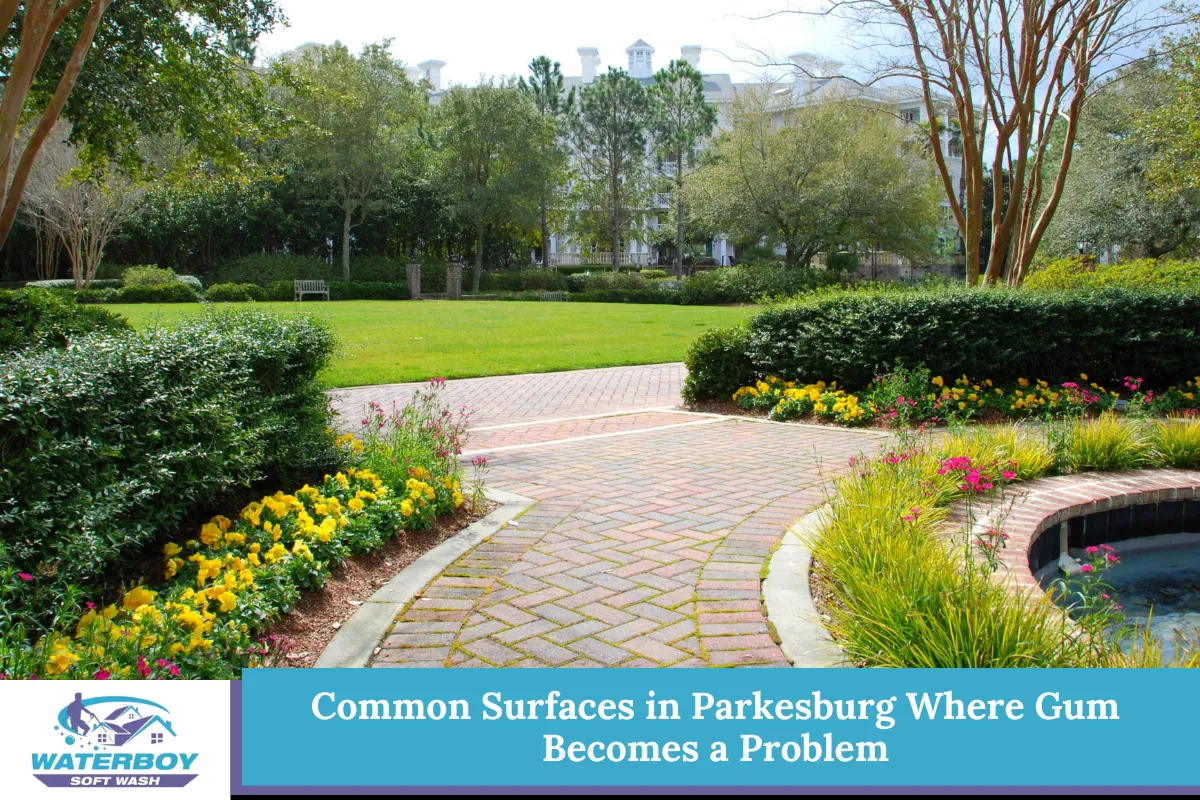
Chewing gum buildup is not limited to sidewalks. It appears in many areas around homes and businesses.
Concrete Sidewalks and Walkways
Public-facing walkways attract foot traffic and are prime spots for gum disposal. Concrete pores easily trap sticky residue.
Driveways and Parking Pads
While less common, gum still shows up in driveways, especially near garages or shared parking areas.
Brick and Paver Patios
These decorative surfaces are especially vulnerable. Gum can lodge between joints, making removal more complex.
Commercial Entryways
Storefronts, offices, and service buildings often struggle with repeated gum stains near doors and benches.
Each surface requires a different power cleaning approach to avoid etching, discoloration, or joint damage.
Why Scraping and Household Cleaners Usually Fail
Many people start with putty knives, wire brushes, or store-bought degreasers. These methods create more problems than solutions.
Manual scraping often spreads gum residue, leaving a dark smear that’s harder to remove. Metal tools can gouge concrete or chip brick edges. Household cleaners may dissolve surface grime but rarely penetrate deep enough to lift gum from pores.
Some chemical products contain solvents that can weaken sealants or discolor masonry. In Pennsylvania, improper chemical runoff can also violate local environmental guidelines, especially if wastewater enters storm drains.
Power washing, when done correctly, avoids these risks by using controlled pressure, heat, and eco-conscious cleaning agents.
How Power Washing Removes Chewing Gum Effectively
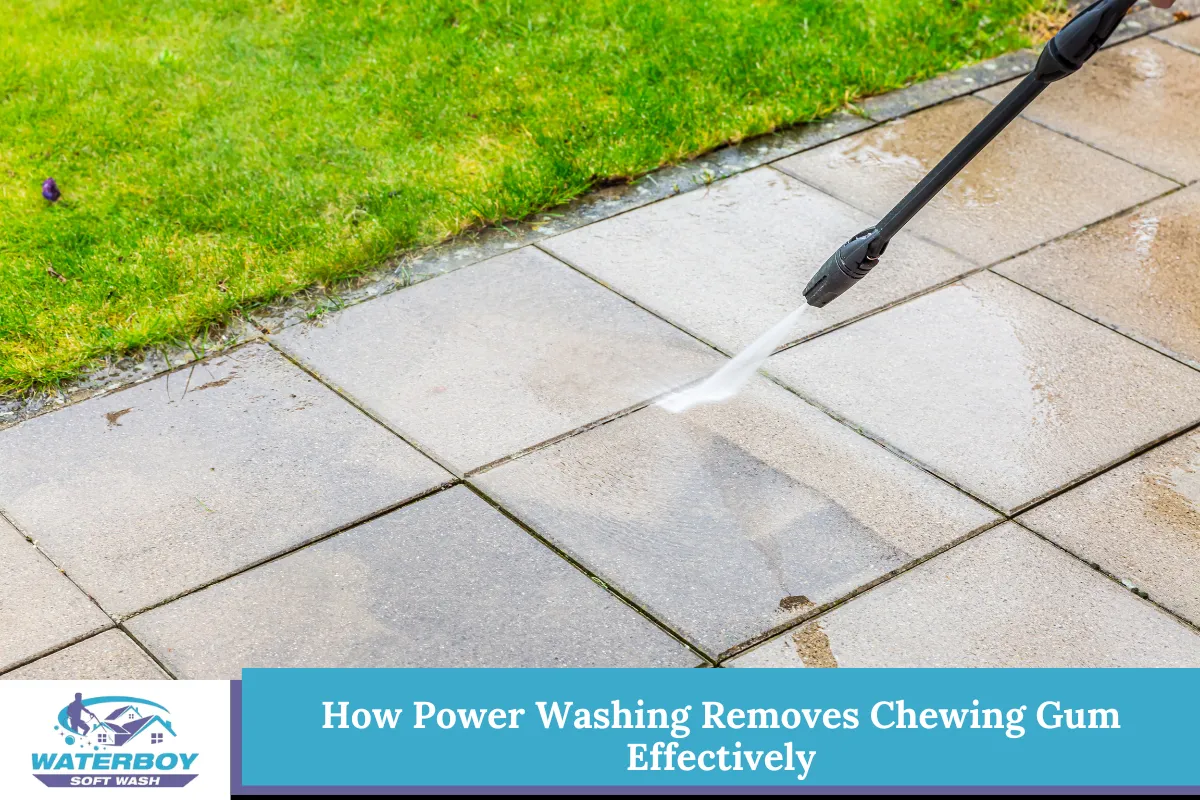
Power washing works by combining water pressure, temperature, and flow rate to break the bond between gum and surface material.
Pressure Application
A power washer delivers consistent force that reaches into surface pores. The key is using enough pressure to lift gum without damaging the substrate.
Heat Assistance
Hot water dramatically improves gum removal. Heat softens hardened gum, allowing it to release from concrete or brick more easily than cold water alone.
Controlled Angle and Distance
The spray angle matters. A shallow angle lifts gum upward rather than pushing it deeper. Proper distance prevents surface erosion.
Rinsing and Extraction
Once loosened, the gum is flushed away instead of smeared across the surface.
This process is far more effective and surface-safe than scraping or chemical-only approaches.
Hot Water vs. Cold Water Power Washing for Gum Removal
Not all power washing is the same. The temperature of the water makes a significant difference.
Cold water pressure washing can remove surface dirt and fresh gum, but it struggles with older, hardened spots. It often requires higher pressure, increasing the risk of surface damage.
Hot water power washing softens gum quickly. Lower pressure is needed, making it safer for decorative surfaces and older concrete. For chewing gum that has been in place for weeks or months, hot water is the preferred method.
In many cases, professional-grade hot water units provide better results than residential equipment.
Surface-Specific Techniques That Prevent Damage
Concrete
Concrete can handle moderate pressure, but excessive force can etch the surface, leaving visible lines. Gradual passes work best.
Brick
Brick faces are durable, but mortar joints are softer. Lower pressure and wider spray patterns protect joint integrity.
Pavers
Pavers require careful control to avoid disturbing joint sand. Targeted power washing followed by re-sanding may be necessary.
Stone
Natural stone varies widely. Softer stone requires gentle pressure and specialized cleaning solutions.
Understanding these differences is critical for safe and effective power cleaning.
Read Power Washing in Parkesburg, PA: How to Clean Pool Decks?
Environmental and Local Considerations in Parkesburg, Pennsylvania
Parkesburg follows Pennsylvania environmental guidelines regarding wastewater and chemical runoff. Power washing should never allow contaminants to enter storm drains, which flow directly into local waterways.
Professional services often use containment or controlled rinsing methods. Biodegradable cleaning agents are preferred, and excessive chemical use should be avoided. Property owners are responsible for ensuring compliance, even when cleaning their own surfaces.
Choosing proper power washing techniques helps protect local infrastructure while keeping properties clean.
DIY Power Washing: What Homeowners Should Know
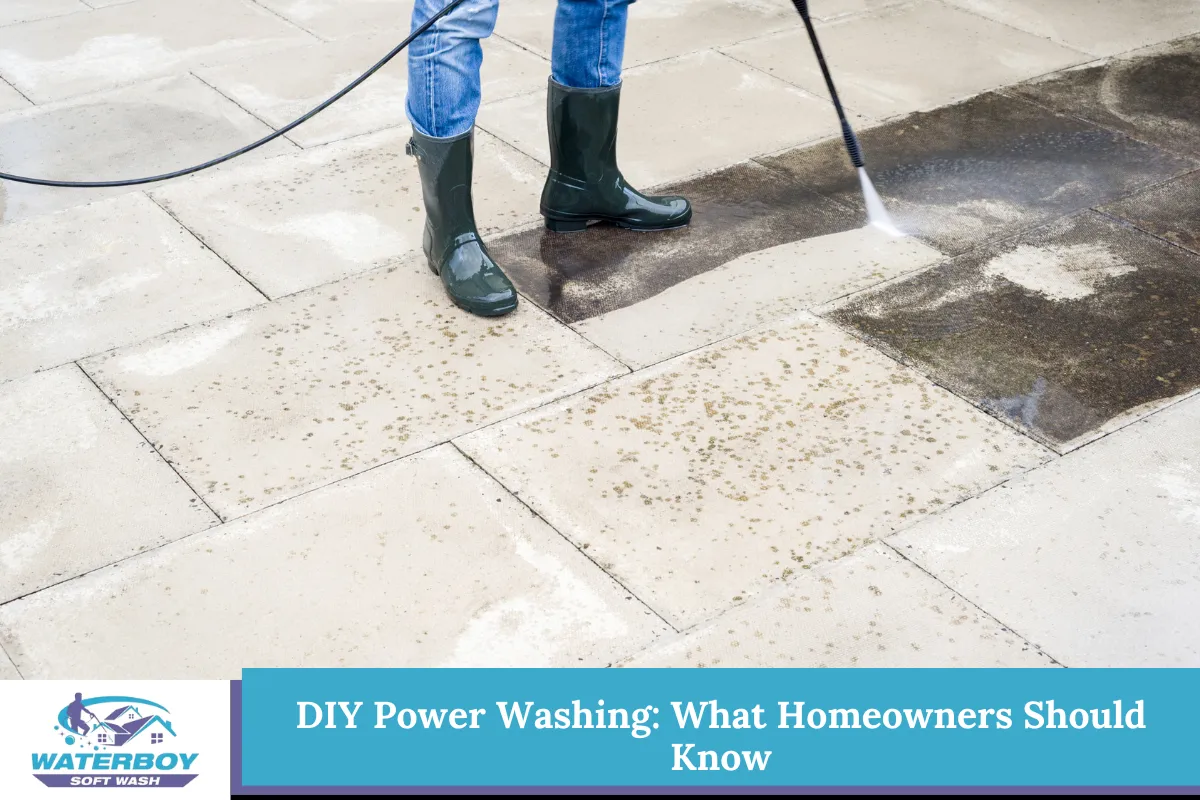
Homeowners can remove small gum spots with residential power washers, but there are limitations.
Most consumer units lack hot water capability. Cold water may require repeated passes and higher pressure, increasing risk. Improper nozzle selection can scar surfaces permanently.
Safety is another concern. Gum removal requires close-range spraying, which can cause injury if handled incorrectly. Protective footwear and eye protection are essential.
For widespread gum buildup or delicate surfaces, professional power washing is often the safer and more effective option.
Preventing Chewing Gum Buildup After Cleaning
Once surfaces are clean, prevention helps reduce future problems.
Regular power washing maintenance keeps gum from hardening over time. Applying surface sealants can reduce porosity, making gum easier to remove later.
Clear signage and waste receptacles near entrances can discourage improper disposal. While no solution is perfect, proactive steps significantly reduce buildup.
When Professional Power Cleaning Makes Sense
Professional power washing services use commercial-grade equipment, hot water systems, and surface-specific techniques. They can remove gum quickly without damaging concrete, brick, or stone.
For businesses, clean walkways improve appearance and reduce liability. For homeowners, restored patios and sidewalks enhance curb appeal and property value.
In many cases, professional power washing saves time, prevents costly repairs, and delivers longer-lasting results.
Power Washing in Parkesburg, PA – Water Boy Soft Wash
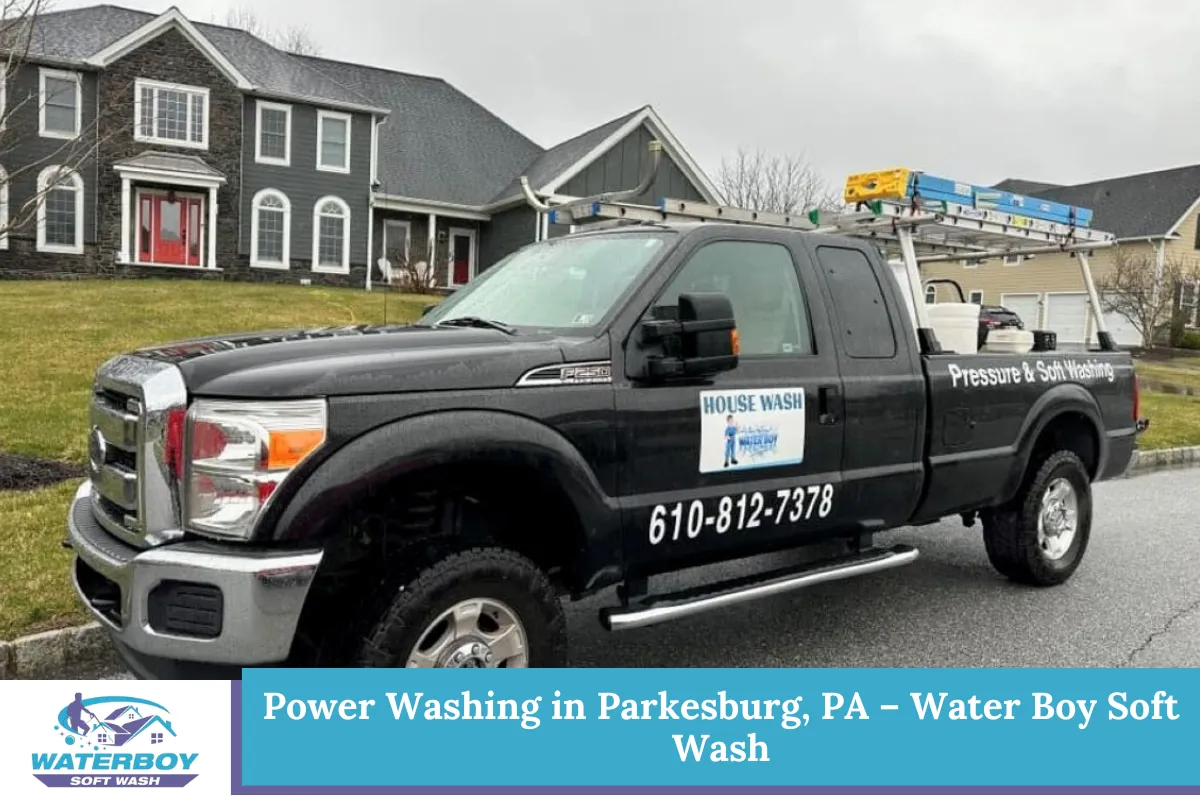
Water Boy Soft Wash provides professional power washing services right here in Parkesburg, Pennsylvania, with proven methods for removing chewing gum safely and effectively. Our team uses the proper combination of pressure, heat, and surface-specific techniques to restore concrete, brick, and pavers without damage. We understand local guidelines and handle every job responsibly, from sidewalks and driveways to patios and entryways. If chewing gum is making your property look worn or uninviting, we’re ready to help. Call us at (610) 812-7378 or fill out our contact form to schedule service. We make power washing simple, effective, and stress-free for Parkesburg property owners.
Frequently Asked Questions
Can power washing remove old chewing gum that’s been there for years?
Yes, even long-standing gum can usually be removed with the right approach. Older gum is harder because it has bonded deeply into surface pores and collected dirt over time. Hot water power washing is especially effective in these cases because heat softens the gum while pressure lifts it out. Multiple controlled passes may be needed rather than one aggressive blast. For decorative surfaces like pavers or brick, lower pressure and patience are key. While some faint discoloration may remain if the surface has aged unevenly, professional power cleaning can significantly improve the appearance.
Will power washing damage concrete or make it rough?
Power washing does not damage concrete when done correctly. Problems occur when excessive pressure, narrow nozzles, or improper angles are used. These mistakes can etch lines into the surface or expose aggregate. Proper power cleaning uses the lowest effective pressure and relies on heat and technique rather than force. This preserves the integrity of the concrete while removing contaminants like chewing gum. When performed properly, the surface remains smooth and structurally sound, with improved appearance and longevity.
Are chemicals necessary to remove chewing gum?
In many cases, hot water power washing alone is enough to remove chewing gum. For particularly stubborn spots, mild, biodegradable cleaning agents may be used to help break down residues. Harsh solvents are generally unnecessary and can pose environmental risks or damage surfaces. In Parkesburg and throughout Pennsylvania, responsible chemical use is important to prevent runoff issues. A balanced approach that prioritizes water temperature, pressure control, and eco-friendly products delivers the best results.
How long does chewing gum removal take?
The time required depends on the amount of gum, surface type, and age of the stains. Small residential areas may take under an hour, while large commercial walkways with heavy buildup can take several hours. Hot water power washing significantly reduces time compared to cold water methods. A professional assessment helps set realistic expectations. Efficient techniques ensure thorough cleaning without rushing, which helps prevent surface damage and ensures long-lasting results.
Does sealing concrete help prevent future gum problems?
Yes, sealing concrete can make future gum removal easier. Sealants reduce porosity, preventing gum from bonding deeply into the surface. This means future power washing requires less pressure and time. Sealants also help protect against stains, moisture intrusion, and surface wear. While sealing does not prevent gum from sticking entirely, it significantly limits damage and simplifies maintenance, making it a smart option for high-traffic areas.
Disclaimer: This article is for general informational purposes only and does not replace professional assessment. Power washing methods should comply with local regulations and surface-specific requirements. Always consult a qualified service provider for property-specific recommendations.
Read Power Washing in Parkesburg, PA: How to Restore Wood Deck Color?