


Power Washing in Parkesburg, PA is a popular solution for homeowners who want to restore outdoor spaces, but many people hesitate when it comes to patio furniture. Over time, dirt, mold, pollen, and bird droppings build up, making furniture look worn and unhygienic. Scrubbing by hand is exhausting, and using the wrong method can crack plastic, splinter wood, or strip protective finishes. That frustration often leads to furniture being replaced sooner than necessary. The good news is that power cleaning can be a safe and effective solution when done correctly. With the right pressure, detergents, and techniques, you can refresh your patio furniture, extend its lifespan, and enjoy a cleaner outdoor space without costly mistakes.
Why Patio Furniture Gets Dirty Faster Than You Expect
Outdoor furniture is constantly exposed to the elements. Even when it looks clean from a distance, microscopic debris and organic growth often cling to surfaces.
Rainwater carries airborne pollutants and minerals that leave residue behind. In Parkesburg’s climate, seasonal humidity encourages mold and mildew to grow, especially on shaded patios. Tree pollen settles into textured materials, while bird droppings and insects add acidic contaminants that can stain finishes.
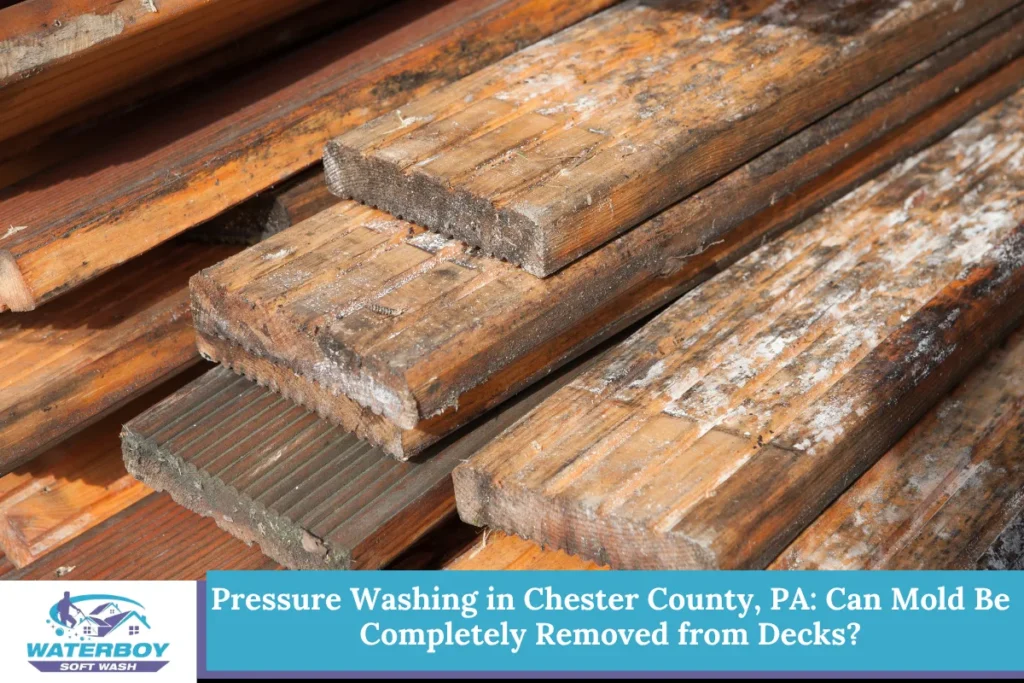
Unlike siding or driveways, patio furniture often has joints, curves, and woven surfaces. These areas trap grime and moisture, making standard rinsing ineffective. Without proper power wash techniques, buildup can harden and become more difficult to remove over time.
Is Power Washing Safe for Patio Furniture?

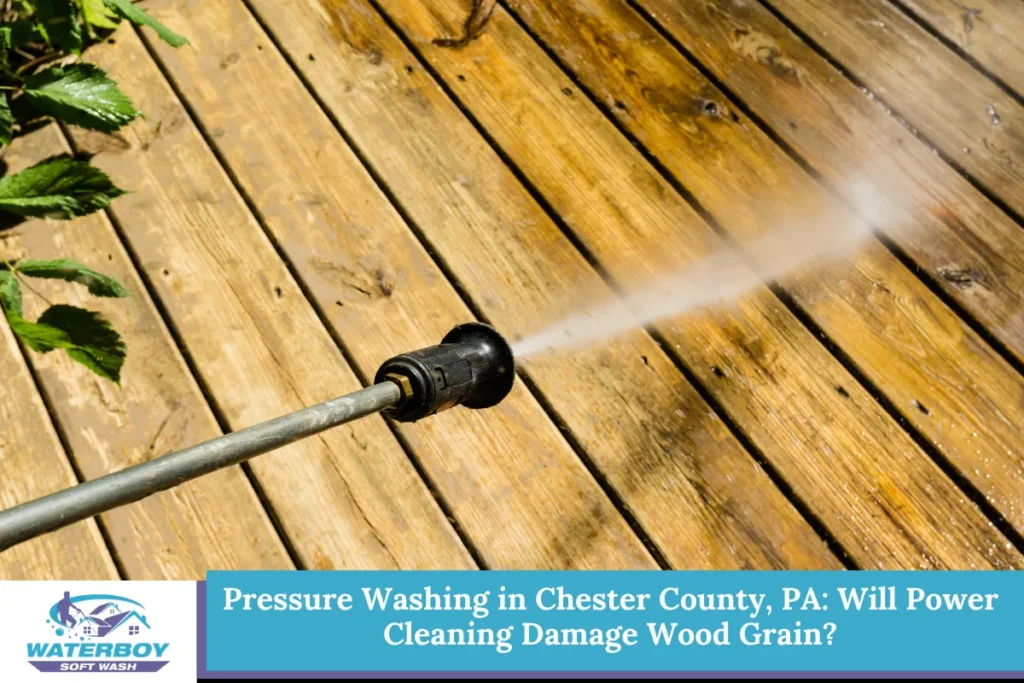
The short answer is yes—but only when done properly. A power washer uses pressurized water to remove dirt and contaminants. The risk comes from using too much pressure or the wrong spray angle.
Patio furniture materials vary widely, and each responds differently to pressure washing. What works for concrete can destroy a wicker chair in seconds. Safe power cleaning depends on three factors:
- Water pressure level
- Distance from the surface
- Type of cleaning solution used
When these are controlled, pressure washing becomes a reliable way to clean furniture without damage.
Understanding Pressure Levels Before You Start
Pressure is measured in PSI (pounds per square inch). Many consumer-grade power washers range from 1,300 to over 3,000 PSI. For patio furniture, lower pressure is almost always better.
Using excessive PSI can:
- Etch wood fibers
- Crack plastic surfaces
- Strip paint or sealants
- Bend thin aluminum frames
In most cases, furniture cleaning should stay below 1,500 PSI. Often, soft washing techniques that rely more on detergents than force are the safest option.
Cleaning Different Patio Furniture Materials Safely
Plastic and Resin Furniture
Plastic and resin furniture are common because they’re affordable and lightweight. They also collect dirt easily due to static buildup.
Use a wide spray nozzle and keep the power washer at least 12–18 inches away. A gentle detergent designed for outdoor surfaces helps lift grime so minimal pressure is needed. Avoid directing water into seams where moisture can become trapped.
Metal Furniture: Aluminum, Steel, and Iron
Aluminum furniture is durable but can oxidize, leaving a chalky residue. Steel and iron are prone to rust if coatings are damaged.
Low-pressure power washing works well when combined with mild cleaners. Always spray at an angle rather than directly head-on to protect paint and finishes. After cleaning, allow furniture to dry completely to prevent moisture-related corrosion.
Wooden Patio Furniture
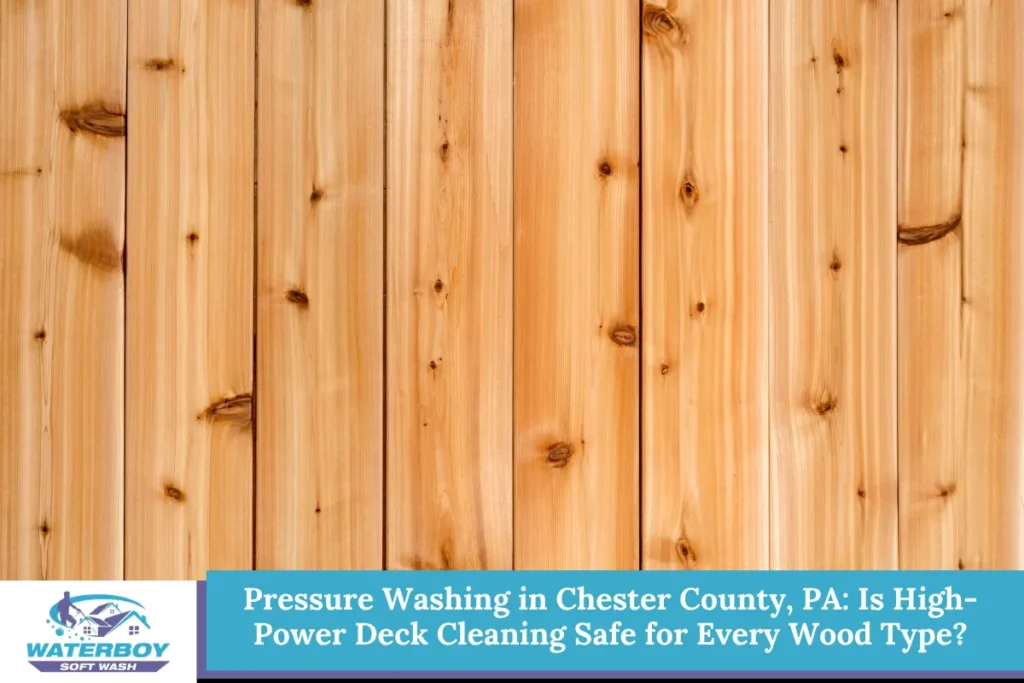
Wood requires the most caution. Teak, cedar, and eucalyptus are common outdoor woods, each with different hardness levels.
High pressure can gouge wood grain and cause splintering. A soft wash approach is recommended, using specialized wood-safe cleaners. Rinse gently and evenly, following the grain to avoid streaking. Sealing the wood afterward helps protect it from future damage.
Wicker and Rattan Furniture
Natural wicker should never be pressure washed. Synthetic wicker may tolerate very light rinsing, but forceful spraying can unravel fibers.
For these materials, power cleaning should rely almost entirely on detergents and gentle rinsing. In many cases, hand cleaning combined with a low-pressure rinse is the safest approach.
Choosing the Right Detergents for Power Cleaning

Water alone rarely removes all contaminants. The right cleaning solution reduces the need for high pressure.
Outdoor-safe detergents are formulated to break down:
- Mold and mildew
- Grease and food residue
- Pollen and organic stains
Avoid household bleach mixtures unless specifically designed for exterior cleaning. Improper chemical use can discolor surfaces, harm nearby plants, and violate local environmental guidelines.
In Parkesburg, stormwater runoff regulations require responsible chemical use. Cleaners should be biodegradable and applied in controlled amounts to prevent runoff into storm drains.
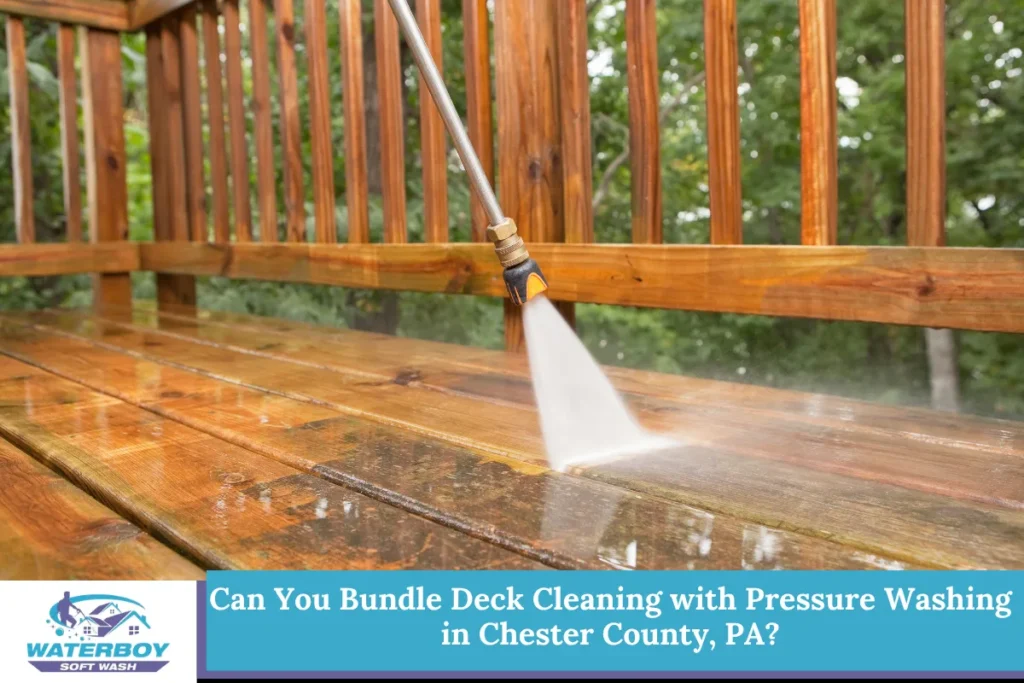
Read Power Washing in Parkesburg, PA: How to Restore Wood Deck Color?
Proper Setup Before Power Washing Furniture
Preparation makes a major difference in results and safety.
Before starting:
- Move furniture to an open area away from siding and vehicles
- Sweep or brush off loose debris
- Test pressure and detergent on a hidden area
- Protect nearby plants with water or coverings
This process prevents accidental damage and ensures consistent cleaning across all surfaces.
Common Mistakes Homeowners Make
Even experienced DIYers can make errors when using a power washer on patio furniture.
Some of the most common mistakes include:
- Using a narrow, high-pressure nozzle
- Standing too close to the surface
- Skipping detergent and relying on pressure alone
- Ignoring material-specific guidelines
- Power washing on windy days, causing overspray issues
These mistakes often lead to irreversible damage that costs more to repair or replace than professional service would have.
How Often Should You Power Wash Patio Furniture?

Cleaning frequency depends on usage and exposure.
For most homes in Parkesburg:
- Light cleaning once per season is sufficient
- Heavily used furniture may need attention twice a year
- Mold-prone areas may require additional spot cleaning
Over-cleaning with pressure can wear down finishes. The goal is maintenance, not aggressive stripping.
Environmental and Local Considerations in Parkesburg, PA
Parkesburg follows Pennsylvania environmental guidelines regarding water usage and runoff. While residential power washing is allowed, homeowners must avoid directing wastewater into storm drains when chemicals are used.
Best practices include:
- Using biodegradable cleaners
- Cleaning on permeable surfaces when possible
- Minimizing runoff volume
- Avoiding cleaning during heavy rain
Responsible power washing protects local waterways and keeps you compliant with municipal expectations.
When DIY Power Washing Is Not the Best Choice
While small jobs can be handled at home, there are situations where professional help is the safer option.
Consider professional service if:
- Furniture is antique or high-value
- Mold growth is extensive
- Materials are mixed or delicate
- You lack adjustable pressure equipment
- Previous cleaning attempts caused damage
Professionals understand how to balance pressure washing and soft washing techniques for optimal results.
Long-Term Benefits of Proper Power Cleaning
Consistent, careful power cleaning extends the life of patio furniture. Removing organic buildup prevents staining, rot, and corrosion.
Other long-term benefits include:
- Improved appearance of outdoor spaces
- Healthier seating surfaces
- Reduced need for harsh chemicals later
- Better resale value for quality furniture sets
A well-maintained patio invites more use and enjoyment throughout the year.
Power Washing in Parkesburg, PA – Water Boy Soft Wash
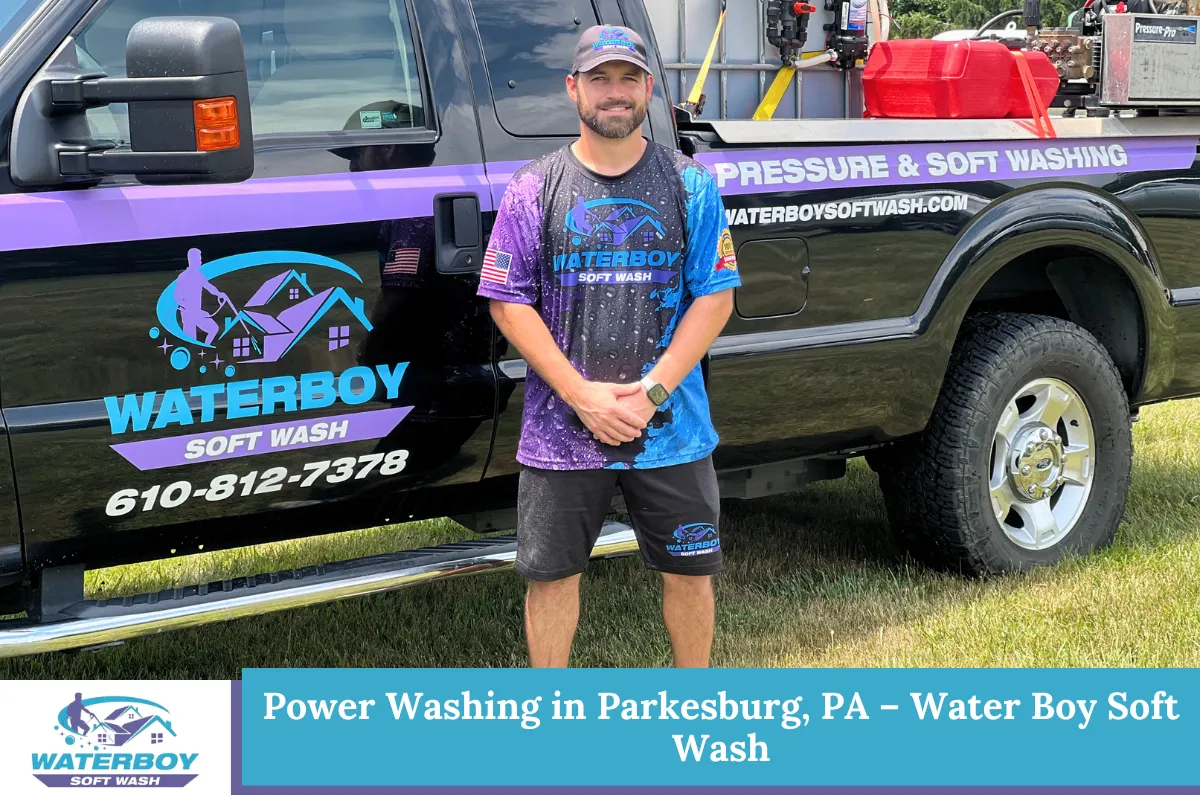
We know that power washing is not just about blasting away dirt—it’s about protecting what matters to your home. At Water Boy Soft Wash in Parkesburg, Pennsylvania, we specialize in safe, effective power washing methods designed for patio furniture and outdoor surfaces. We use the right pressure, proper cleaning solutions, and proven techniques to restore your furniture without damage. Our team understands local conditions and follows responsible cleaning practices that protect your property and the environment. If your patio furniture looks tired or stained, we’re ready to help. Call us at (610) 812-7378 or fill out our contact form to schedule professional service you can trust.
Frequently Asked Questions
Can power washing remove mold from patio cushions?
Power washing can help remove surface mold from some outdoor cushion covers, but it must be done carefully. High pressure can tear fabric or force water into foam inserts, leading to mildew inside the cushion. Most manufacturers recommend removing covers and cleaning them separately using gentle washing methods. For fixed cushions, a low-pressure rinse combined with fabric-safe cleaners works better than force. Always allow cushions to dry completely in sunlight to prevent mold from returning.
Is hot water better than cold water for cleaning patio furniture?
Hot water can improve grease and oil removal, but it is not always necessary for patio furniture. Many materials respond well to cold water when paired with proper detergents. Hot water may damage plastic, weaken adhesives, or warp certain synthetic materials. For most residential furniture cleaning, cold water power washing with biodegradable cleaners provides effective results without added risk.
Will power washing strip paint from metal furniture?
Yes, if the pressure is too high or the nozzle is too narrow. Painted metal furniture should be cleaned using low pressure and a wide spray pattern. Direct, concentrated pressure can chip paint and expose bare metal, leading to rust. Testing a small area first and maintaining distance from the surface reduces the risk of paint loss.
Can I power wash patio furniture on a wooden deck?
You can, but caution is required. Overspray and runoff can damage deck finishes or force debris into wood grain. It’s best to move furniture to a concrete or gravel area before cleaning. If that’s not possible, use minimal pressure and protect the deck surface with proper rinsing afterward to prevent uneven cleaning marks.
What time of year is best for power cleaning patio furniture?
Late spring and early fall are ideal times. Spring cleaning removes winter buildup and prepares furniture for frequent use. Fall cleaning clears organic debris before storage or colder weather. Avoid power washing during freezing temperatures or extreme heat, as rapid temperature changes can stress materials and reduce cleaning effectiveness.
Disclaimer: This article is for informational purposes only. Cleaning methods and results may vary based on material condition, equipment, and environmental factors. Always follow manufacturer guidelines and local regulations when power washing.