
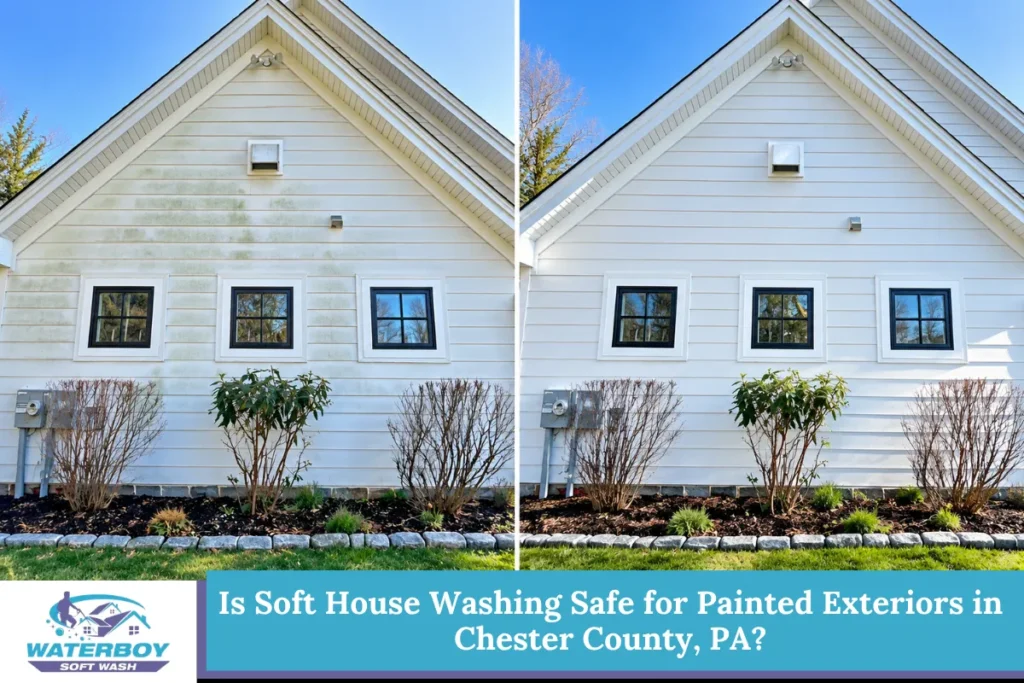

Is Soft House Washing Really Safe for Painted Exteriors?
House washing is one of the most effective ways to maintain a home’s exterior, but many homeowners in Chester County worry that the process could peel their paint, force water behind their siding, or leave etched marks on delicate surfaces. These fears are valid when high pressure water enters the picture, but soft house washing is generally the safest and most recommended method for cleaning painted exteriors.
Soft washing relies on low pressure combined with specially formulated cleaning solutions to do the heavy lifting. Instead of blasting dirt and organic growth off painted siding with raw mechanical force, the detergents break down algae, mold, and mildew during a controlled dwell period. The rinse phase uses pressure that often feels no stronger than a garden hose, keeping paint intact and caulking undisturbed.
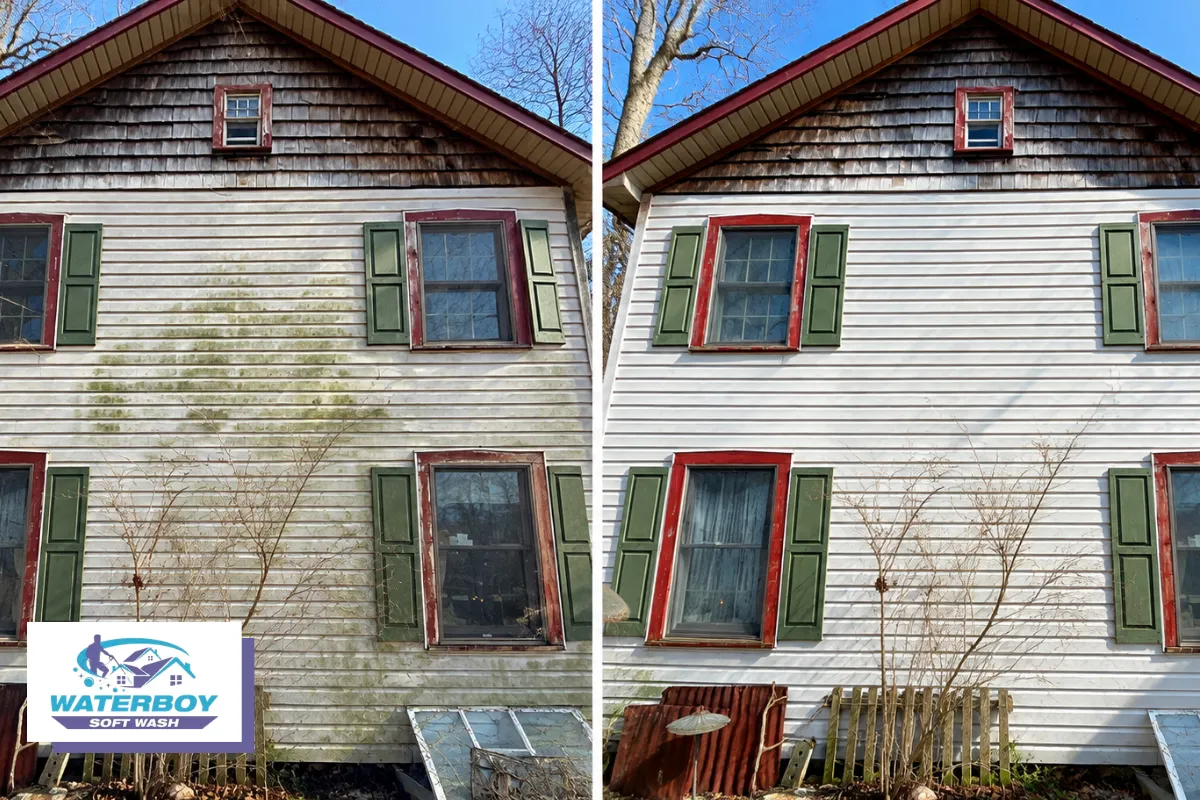
Chester County’s climate makes this conversation especially relevant. Humid summers, mature tree canopy throughout most of the county, and seasonal pollen cycles create the perfect conditions for green film, black streaks, and embedded grime on exterior surfaces. Older housing stock, from colonial-era farmhouses in the western townships to Victorian homes near West Chester, adds another layer of concern because aging paint layers and potential lead coatings demand a gentler approach. In Chester County, soft washing is ideal for cleaning historic painted farmhouses and modern suburbs without damaging finishes.
Key Takeaways
- Properly performed soft washing is safe for most painted exteriors in Chester County, PA, including painted wood, fiber cement, stucco, and vinyl siding.
- Soft washing uses low pressure and tailored detergents instead of brute force, protecting paint finishes while eliminating algae, mold, and mildew at the cellular level.
- Chester County’s humid summers, heavy tree cover, and seasonal pollen make regular exterior washing essential for preserving curb appeal and extending paint life.
- Homes built before 1978 may contain lead-based paint and require special care and certified handling during any cleaning or renovation work.
- Most homes benefit from a professional soft wash every 12 to 24 months to maintain a clean appearance without risking damage to painted surfaces.
This article breaks down exactly when soft washing is safe, which materials respond best, what local factors you should consider, and how to choose the right method for your property.
How Soft Washing Differs from Traditional Pressure Washing
Homeowners often hear the terms “soft washing” and “pressure washing” used interchangeably, but these are two methods with very different approaches to cleaning. Understanding the distinction is critical before you let anyone point a nozzle at your painted siding.
What Pressure Washing Does
Pressure washing uses over 3,000 PSI of water pressure to remove tough staining, embedded dirt, and debris from hard surfaces. That level of force is effective on concrete driveways, brick walkways, and stone patios, where the substrate can absorb impact without damage. On painted exteriors, however, high pressure can strip paint from surfaces, gouge soft wood grain, blow out caulk joints, and force water behind siding laps. Pressure washing can also void warranties on roofs and painted surfaces, which is something many homeowners do not realize until the damage is already done.
What Soft Washing Does
Soft washing operates under 300 PSI to protect surfaces. Some technicians work even lower during the rinse phase on delicate surfaces, keeping pressure well under 500 PSI throughout the entire process. Wide-fan nozzle tips spread the water across a broader area, and the cleaning solutions, typically a diluted sodium hypochlorite mix with surfactants, treat the biological growth at its root. Soft washing eliminates organic growth at the cellular level, which means it does not simply rinse away the surface layer of algae or mildew but kills spores embedded in the paint’s texture.
This matters for longevity. Soft washing can keep surfaces clean two to three times longer than pressure washing alone because the biological organisms are fully neutralized rather than temporarily displaced. When power washing relies on brute force, the organic material often returns within weeks. Soft washing is also the only approved method for most roofing materials, making it a versatile option for whole-property cleaning.
When Pros Combine Approaches
A qualified team may use a gentle low pressure application on painted siding and trim while switching to a slightly higher setting on concrete or brick surfaces during the same visit. This hybrid approach lets them safely remove algae and organic stains from the house while still tackling tough buildup on walkways, decks, and retaining walls without risking damage to anything painted.
Painted Surfaces in Chester County: Which Materials Are Safe to Soft Wash?
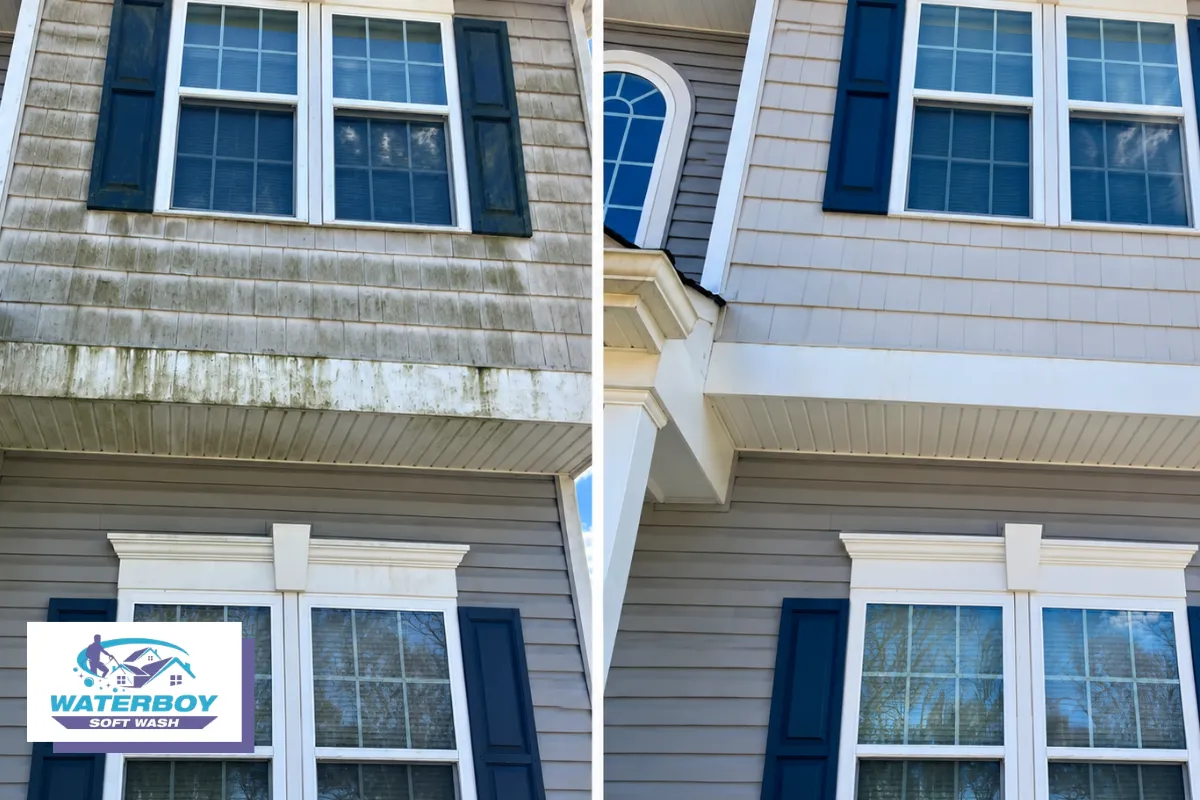
Most modern painted exteriors in Chester County respond well to professional soft washing when the existing paint film is sound. The key variables are the substrate material, the age and condition of the coating, and the technique used during cleaning.
Painted Wood Clapboard and Trim
Painted wood is the most pressure-sensitive material found on local homes. Wood grain is porous, and aggressive washing can raise fibers, undercut paint adhesion, and push moisture deep into the board. Low pressure water at a wide spray angle, combined with a 5 to 10 minute dwell period for the cleaning solution, lets the detergent do the job without mechanical stress. A pre-inspection is important to identify areas of compromised paint to avoid damage during washing. Testing a small inconspicuous area before washing can prevent adverse effects on the paint, especially on older homes with multiple paint layers.
Fiber Cement and Hardie Board
Fiber cement siding, including Hardie Board, is more durable than wood but still benefits from a gentle approach. The factory-applied finish on these panels can be dulled or scratched by direct high pressure water at close range. Soft washing removes green algae, mildew, and dirt buildup while preserving the manufacturer’s coating. Soft washing helps preserve paint and finishes on surfaces like these, and it helps maintain painted surfaces longer by avoiding unnecessary wear.
Vinyl Siding
Soft washing is safer for vinyl siding and stucco than any high pressure alternative. Vinyl can crack or warp under excessive force, especially in cooler weather when the material contracts. A low pressure rinse paired with the right detergent mix will remove grime without distorting the panels. Soft washing is recommended for vinyl siding and stucco as the preferred choice among exterior cleaning professionals.
Stucco and Painted Masonry
Stucco is brittle and can chip when hit with concentrated high pressure. Soft washing cleans these surfaces without compromising the finish coat or forcing moisture into the porous substrate underneath. The same applies to painted masonry, where aggressive washing can dislodge mortar or leave visible marks.
Older and Historic Homes
Properties built before 1978 may contain lead paint and require special care during washing. In Chester County, the EPA’s Renovation, Repair, and Painting Rule mandates that certified contractors handle any work that disturbs lead-based coatings. Historic districts may also have preservation standards that restrict chemical use or require review before exterior work begins. When paint is severely peeling, cracking, or chalking, a professional may recommend repairs and repainting before any cleaning takes place.
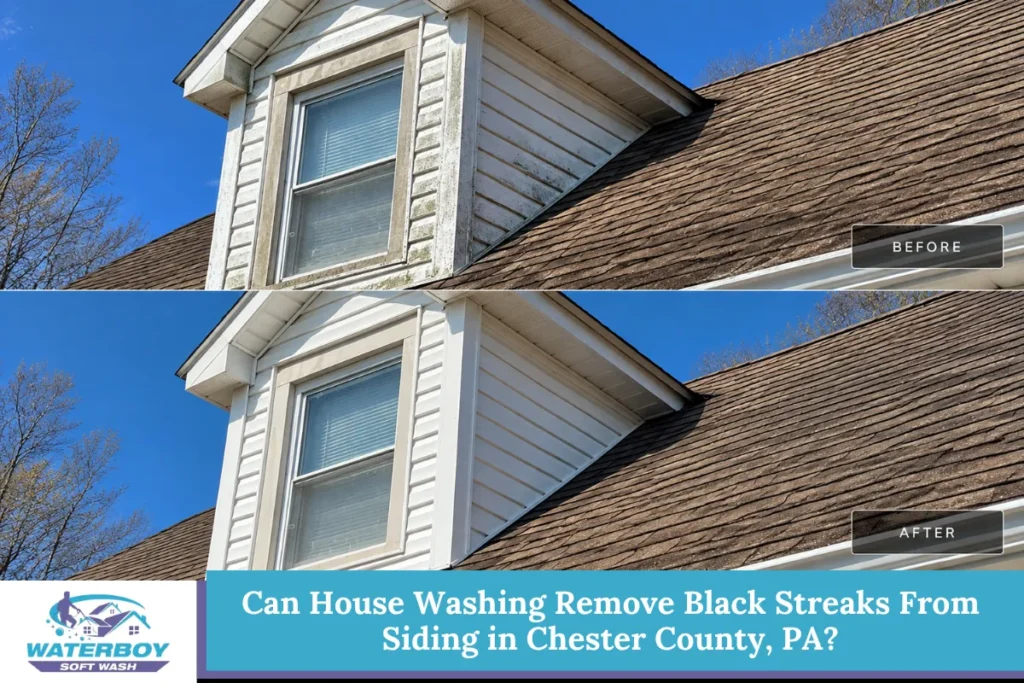
Read Can House Washing Remove Black Streaks From Siding in Chester County, PA?
Local Factors in Chester County That Affect Safe Exterior Washing
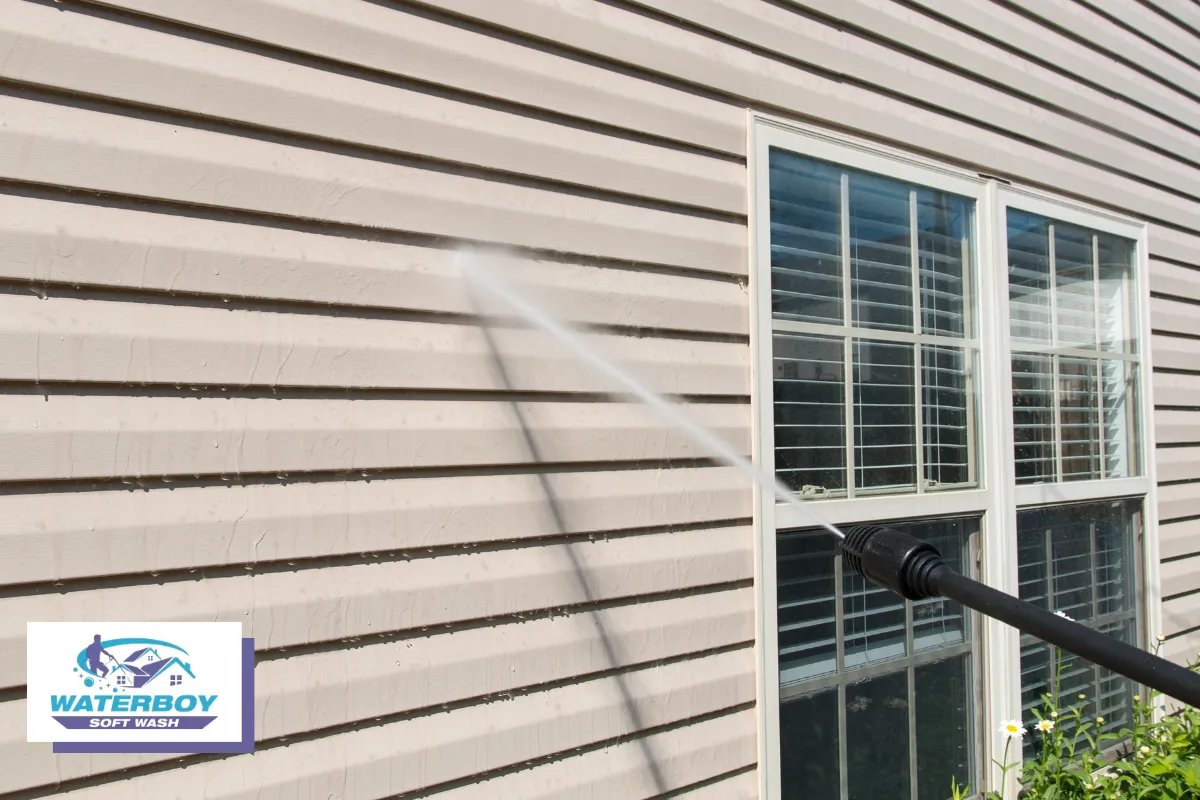
Chester County’s environment creates a demanding set of conditions for painted exteriors. Understanding these local factors helps homeowners appreciate why regular cleaning matters and why soft washing is the right method for the job.
Climate and Organic Growth
Chester County experiences humid summers that can promote mold and algae growth on surfaces. Average annual rainfall hovers around 45 inches, and relative humidity regularly exceeds 70 percent during the warmest months. These conditions feed algae mold colonies on shaded walls, under eaves, and along north-facing elevations. Towns like West Chester, Downingtown, and Kennett Square feature dense tree canopy that limits airflow and sunlight on many homes, accelerating the formation of green film and black streaks.
Pollen from spring through early summer adds another layer of organic material that bonds to paint and traps moisture. Over time, this organic buildup can cause staining that penetrates the paint surface, making it harder to restore a fresh, clean appearance without more aggressive cleaning or repainting.
Freeze-Thaw and Paint Integrity
Winter temperatures in Chester County average around 29 degrees in January, and repeated freeze-thaw cycles stress paint films and caulking around windows, doors, and trim. Hairline cracks can develop in both the paint and the sealant, creating pathways for water intrusion. Failure to manage moisture can lead to wood rot and future peeling of paint. A gentle soft wash is far less likely to exploit these vulnerabilities than a high pressure blast that can drive water into every gap it finds.
Maintenance Intervals
Most homes benefit from a wash every 12 to 24 months, depending on exposure, shade, and surrounding landscaping. Homes near trees or water may need annual washing to stay ahead of mildew and organic buildup. Soft washing keeps homes cleaner two to three times longer than water-only methods, which means less frequent service and better long-term value for homeowners who stay on a regular schedule.
Best Practices to Keep Soft Washing Safe for Your Home’s Exterior
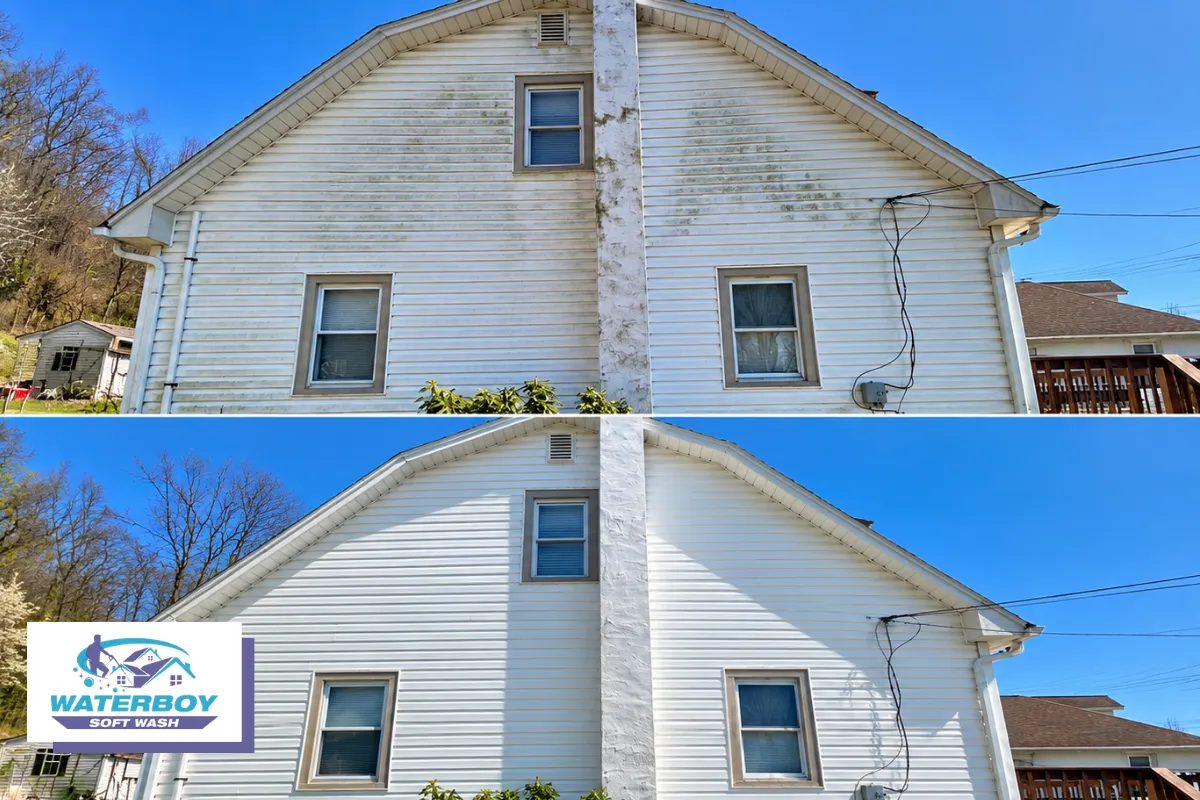
Soft washing is not inherently dangerous but requires careful attention to multiple factors. The difference between a flawless result and a problem almost always comes down to technique and preparation.
Pre-Inspection
Before any cleaning begins, a thorough walk-around should identify:
- Peeling or flaking paint that could release during washing
- Deteriorated caulk around windows, doors, and trim joints
- Soft or rotting wood behind painted surfaces
- Vented soffits and weep holes that need spray angle adjustments
- Lead paint concerns on homes built before 1978
This step protects the homeowner and the technician. It also sets realistic expectations about what cleaning can accomplish versus what requires carpentry or painting first.
Technique and Equipment
Proper soft washing technique includes:
- Using low pressure under 500 PSI for safety, with even gentler settings on painted wood and trim
- Selecting wide-fan nozzle tips (25 to 40 degrees) to spread the spray evenly
- Maintaining adequate wand distance from the surface
- Rinsing from the top down so dirty water flows away from clean areas
- Never angling the spray upward under siding laps, which can force water behind boards
Tightly sealed windows and doors are necessary to avoid moisture intrusion and chemical exposure during the process. Great communication between the cleaning team and the homeowner before work begins prevents issues like open windows or unlocked storm doors.
Chemical Safety and Environmental Compliance
Chemical mixtures for soft washing should be diluted properly to avoid damage to painted surfaces. Exterior-grade detergents formulated for soft washing are designed to treat biological growth without harming sound paint when used at correct concentrations.
Chemical runoff from soft washing can harm local flora and should be managed carefully. Pennsylvania regulations prohibit allowing cleaning wastewater to enter storm sewers. Many Chester County municipalities enforce strict stormwater discharge codes that restrict any wash water containing detergents from reaching storm drains, riparian buffers, or waterways. Soft washing requires careful consideration of environmental factors like runoff and landscaping protection, so reputable providers pre-wet plants, use temporary coverings when needed, and rinse vegetation and soil thoroughly after the job is complete.
Why Professional Service Matters
A locally owned exterior washing company with experience on Chester County homes understands the unique mix of older painted wood, modern fiber cement, and municipal codes that vary from township to township. Hiring a trained, insured team reduces the risk of property damage, environmental violations, and voided paint warranties compared to DIY high pressure approaches.
Signs It’s Time to Soft Wash Your Painted Exterior (and When to Repaint Instead)
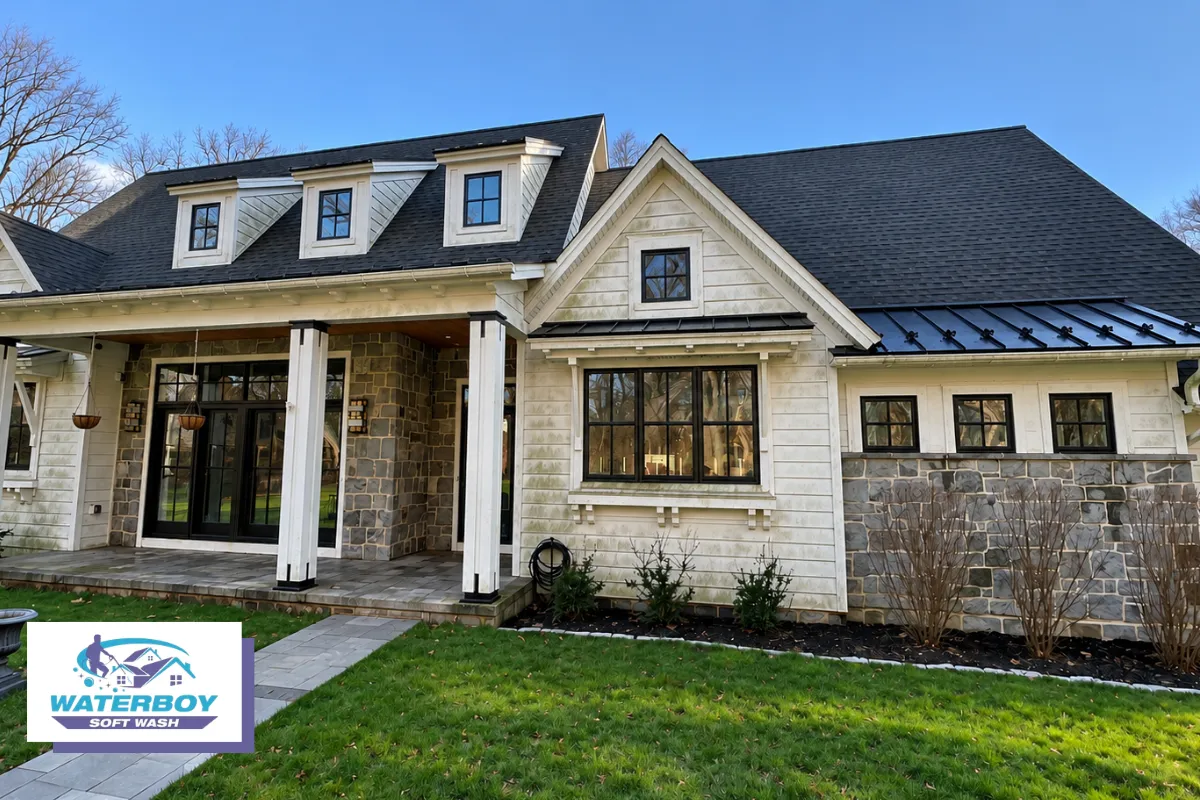
Not every dirty wall needs a fresh coat of paint. Often, soft house washing is enough to restore the finish and bring back the property’s original look without the cost and disruption of a full repaint.
When Soft Washing Will Do the Job
Schedule exterior washing when you notice:
- Green algae or moss forming on shaded walls and under eaves
- Black mildew dots spreading across siding or trim
- Dirt streaks running below windows and along drip edges
- A dull, chalky film on otherwise intact paint
- Cobweb-like discoloration in corners and along rooflines
These are signs of surface-level contamination, not paint failure. A controlled soft wash can remove debris and organic stains, leaving the paint looking fresh and vibrant again. Rinsing away oxidation often makes colors appear richer and truer, which many homeowners mistake for new paint.
When Repainting Comes First
If you see widespread peeling, deep cracks exposing bare substrate, or soft and spongy wood under the paint, cleaning alone will not solve the problem. Washing over badly failing paint can accelerate deterioration by loosening additional material and exposing more surface area to moisture. A reputable exterior washing company will tell you honestly when the coating needs replacement before any cleaning makes sense.
Timing Your Service
Consider scheduling soft washing before listing your home for sale, after the heavy pollen season in late spring, or prior to a professional exterior inspection. Regular maintenance on a 12 to 24 month cycle keeps the home looking its best, extends the life of the paint, and maximizes your curb appeal year-round.
House Washing in Chester County, PA – Water Boy Soft Wash
We are Water Boy Soft Wash, and we specialize in professional soft washing for painted exteriors, siding, and full house washing across Chester County, Pennsylvania. Our team uses careful, low pressure methods to protect your painted wood, fiber cement, and trim while removing algae, mildew, and dirt that dull your home’s appearance. Every job we handle is designed to boost curb appeal and extend the life of your paint without risking damage to your property. We treat your landscaping with care and follow all local regulations to keep the process clean and responsible. Call us at (610) 812-7378 or fill out our contact form today for a free estimate. Let us show you the difference a proper house washing makes.
Frequently Asked Questions
How often should I soft wash my painted exterior in Chester County?
Most painted exteriors in Chester County benefit from soft washing every 12 to 24 months. However, several factors can shorten that interval. Homes surrounded by heavy tree cover, especially near wooded lots or streams, tend to develop mildew and algae faster due to persistent shade and moisture. North-facing walls and sections that receive minimal direct sunlight may need attention more frequently than the sunnier sides of your house. Homes near agricultural fields or high-traffic roads may also accumulate dirt and dust faster. Staying on a regular maintenance schedule is gentler on your paint than waiting until buildup becomes severe, which often requires stronger solutions or longer dwell times.
Will soft washing strip or fade my exterior paint?
Correctly performed soft washing does not strip sound paint or alter its color. The low pressure water and properly diluted detergents are designed to clean without affecting adhesion or pigment. However, if your paint is already failing, loose, or badly chalking, some material may release during the cleaning process. This reveals existing problems rather than creating new ones. Reputable technicians always test a small, inconspicuous section first and adjust their solution strength based on the paint type, age, and condition. After a proper rinse, most homeowners notice their paint looks more vivid because the layer of oxidation, grime, and organic film has been removed.
Is soft washing safe around windows, doors, and caulked joints?
Yes, when performed correctly. The low pressure used in soft washing significantly reduces the risk of water intrusion compared to high pressure alternatives. Professional technicians angle their spray to avoid directing water straight into gaps, weep holes, or areas where caulking has deteriorated. A thorough pre-inspection identifies any failed seals, cracked glazing putty, or compromised weatherstripping that could allow water or cleaning solution inside. In cases where damage is found, the technician can either avoid those areas or recommend repairs before or after the cleaning. Careful technique protects window frames, thresholds, door hardware, and the interior of your home throughout the entire service.
What should I do to prepare my home before a soft washing appointment?
Close all windows and doors tightly before the team arrives, including storm windows and garage doors. Move vehicles away from the house so spray does not contact paint or glass. Clear portable items from decks, porches, and patios, including cushions, doormats, potted plants, and fragile decor. If you have pets, coordinate their access so they remain safely indoors or in a fenced area away from the work zone. Make sure side gates are unlocked so technicians can access all sides of the home. Trimming shrubs and branches a few inches away from the walls improves access and results, though professionals will still take steps to protect your landscaping during the service.
Can my gutters, soffits, and trim be cleaned during the same soft wash?
Gutters, fascia, soffits, and painted trim are commonly included in a full house washing service using the same low pressure system. Gutters often develop dark vertical streaks, sometimes called tiger-striping, caused by oxidation and runoff residue. Removing these marks along with mildew on soffits makes a noticeable difference in overall curb appeal. Technicians adjust their spray distance and angle for vented soffits and detailed trim profiles to avoid forcing water into openings or damaging decorative elements. Cleaning everything together produces a uniform, fresh result across the entire home rather than leaving bright siding next to dingy gutters and roofs that highlight the contrast.
Disclaimer
This article provides general information about soft washing painted exteriors and is not a substitute for site-specific advice. Consult a qualified, insured exterior cleaning professional familiar with Chester County codes and your home’s condition before proceeding with any cleaning services.
Read Will House Washing Remove Oxidation from Your Chester County, PA Home?