

Does House Washing Really Remove Oxidation?
House washing is one of the most common ways Chester County homeowners try to bring life back to tired-looking siding, but oxidation presents a challenge that goes beyond ordinary dirt and grime. If your home’s vinyl or aluminum exterior has developed a white, chalky film or looks faded and uneven despite regular rinsing, oxidation is likely the culprit. It quietly strips away curb appeal and can make even a freshly cleaned home look dull, streaky, and years older than it actually is. The good news is that quality house soft washing can safely remove light to moderate oxidation from many surfaces. The less encouraging reality is that not every case responds to cleaning alone. This article walks through what oxidation is, how soft wash exteriors differ from high pressure methods, and how to decide whether your home needs cleaning, repainting, or replacement.
Key Takeaways
- House washing can lessen light to moderate oxidation on siding, gutters, and trim, but it cannot fully reverse heavy, long-term damage where the protective coating has been permanently lost.
- Soft washing is safer than high pressure on oxidized exterior surfaces, particularly on the older and mixed-material homes common throughout Chester County.
- Oxidation appears as a chalky, faded, or streaky surface, and removing it requires the right combination of specialized cleaning solutions, gentle agitation, and controlled rinse techniques.
- Severely oxidized panels may still need repainting or replacement even after a thorough professional cleaning.
- Before attempting any DIY approach, homeowners should get a professional inspection and a free quote to understand what cleaning can realistically accomplish on their property.
What Oxidation Looks Like on Chester County Home Exteriors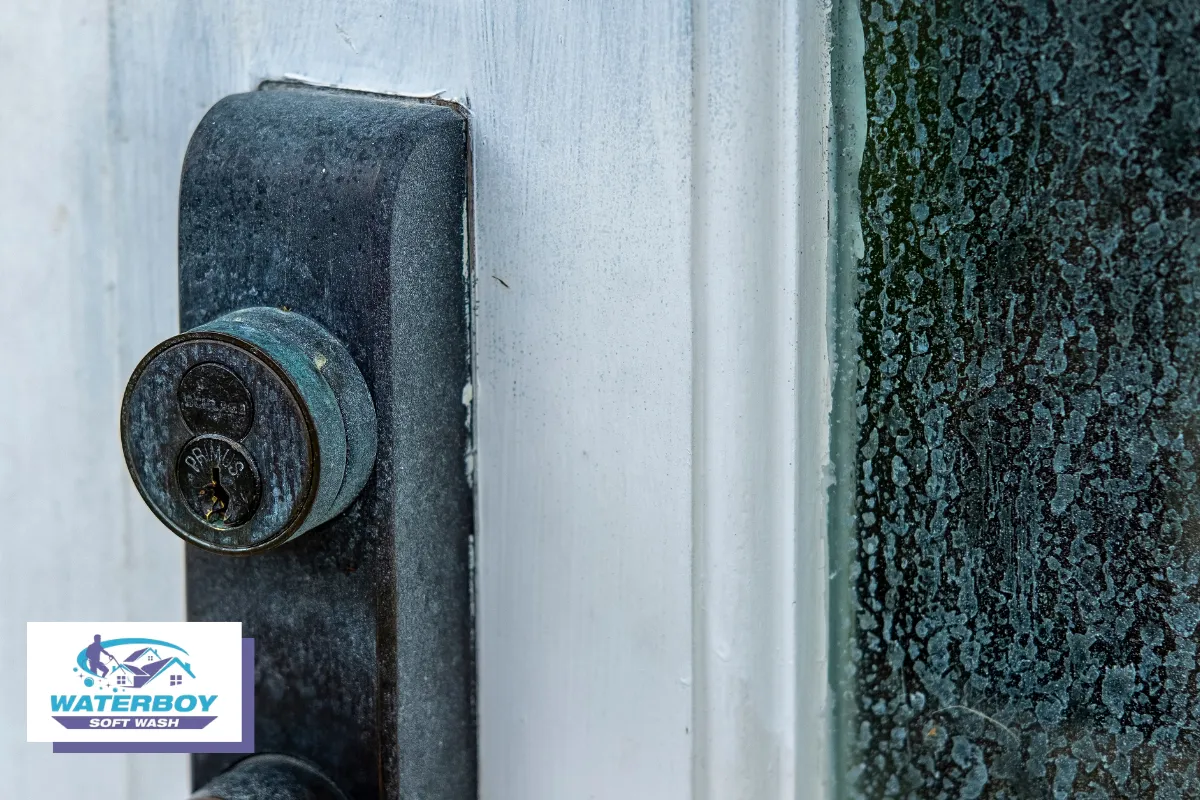
Oxidation is a chemical breakdown. It happens when UV rays, oxygen, moisture, and airborne pollutants degrade the protective coatings on your home’s exterior over time. In Chester County, the combination of humid summers, overcast periods, frequent rain, and winter freeze-thaw cycles accelerates this process considerably. Oxidation develops due to exposure to UV rays and environmental elements, and its effects are cumulative. South- and west-facing walls tend to show the worst damage because they absorb the most direct sunlight.
How Oxidation Shows Up on Vinyl Siding
Oxidation appears as a chalky residue on vinyl or aluminum siding that transfers to your hand when you wipe it. On vinyl, it creates patchy light spots, washed-out color, and an overall milky haze that no amount of garden-hose rinsing can fix. The Chalk Test indicates oxidation if a white residue appears on touch, and this simple finger swipe or dark-cloth test is the fastest way to confirm what you are dealing with before scheduling any cleaning.
Over time, oxidation traps dust, pollen, and pollution, which dulls siding appearance even further. The chalky layer acts like a magnet for contaminants, creating a cycle where the surface looks progressively worse each season.
Gutter and Trim Oxidation
Gutters often develop gray or white streaks running down from the lip, a pattern commonly called tiger striping. This discoloration is stubborn and persists even after normal cleaning with a hose and soap. Painted metal trim loses its gloss, develops a powdery feel, and fades unevenly, especially on elevations that face the most intense afternoon sun.
On aluminum siding specifically, the protective factory finish can break down to reveal a dull, pitted surface underneath. If left untreated, oxidation can cause permanent discoloration that no cleaning method can reverse entirely.
Can House Washing Remove Oxidation? What Works and What Doesn’t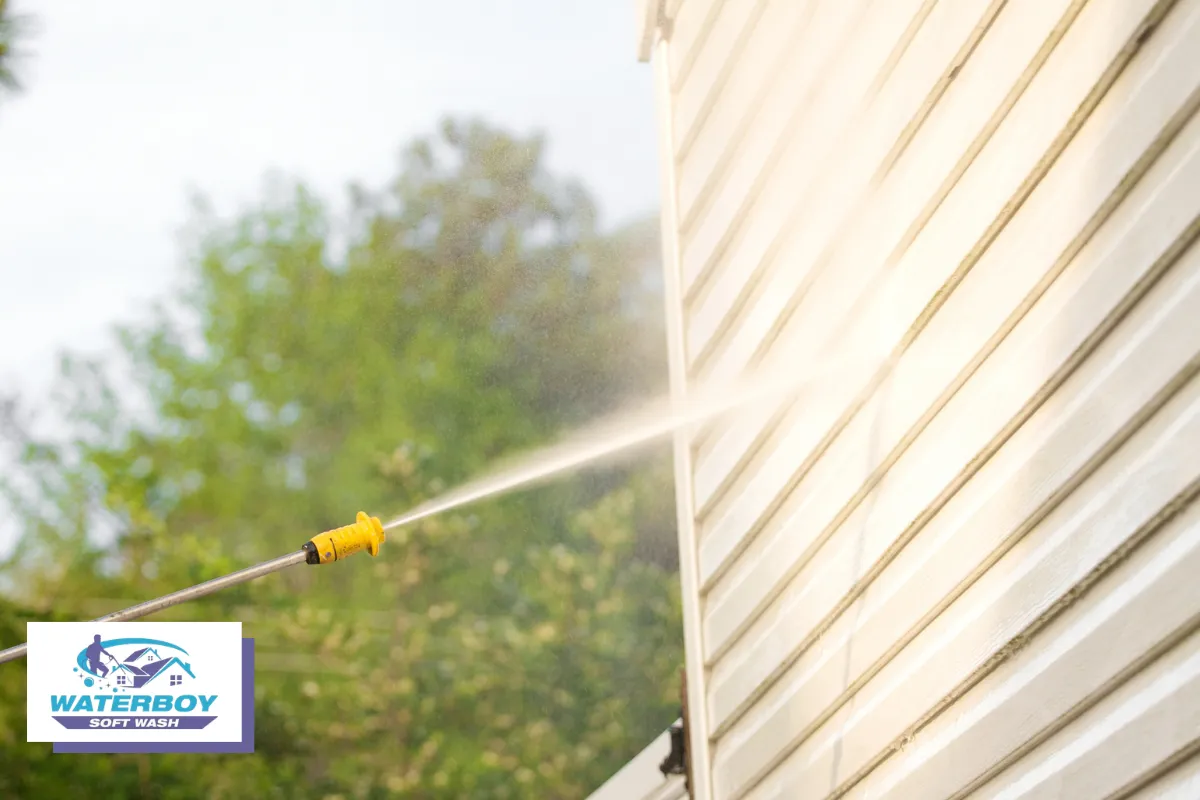
Here is the direct answer: a standard wash removes dirt and organic stains but leaves oxidation intact. Standard house washing cannot effectively remove oxidation on its own because the chalky residue is not surface grime. It is degraded coating material bonded to the substrate. True oxidation removal requires specialized chemical treatments, specifically restoration detergents formulated to dissolve and lift chalking without damaging the surface underneath.
House washing removes dirt, algae, and mildew effectively, and that is valuable on its own. But when oxidation is present, the cleaning process needs to go further with oxygen-based or peroxide-based cleaners, controlled dwell times, and careful agitation.
What professional soft washing services can typically achieve on oxidized surfaces:
- Removing surface chalk to reveal brighter, more uniform color
- Evening out mild patchiness where fading was masked by the chalky layer
- Improving overall color depth on gently oxidized siding and gutters
- Enhancing curb appeal and property value in a single visit
What cleaning alone cannot fix:
- Deep color fade where pigment binders have been irreversibly degraded
- Pitting or exposed substrate on aluminum or metal trim
- Heavy tiger striping that has penetrated beyond the surface coating
- Warped, cracked, or brittle panels that need replacement
One thing that frequently surprises homeowners is that once oxidation is removed, underlying color mismatch or uneven pigment loss may become visible. The chalk had actually been masking deeper fade, so managing expectations before the job begins is essential.
Soft Washing vs. High-Pressure Cleaning on Oxidized Surfaces
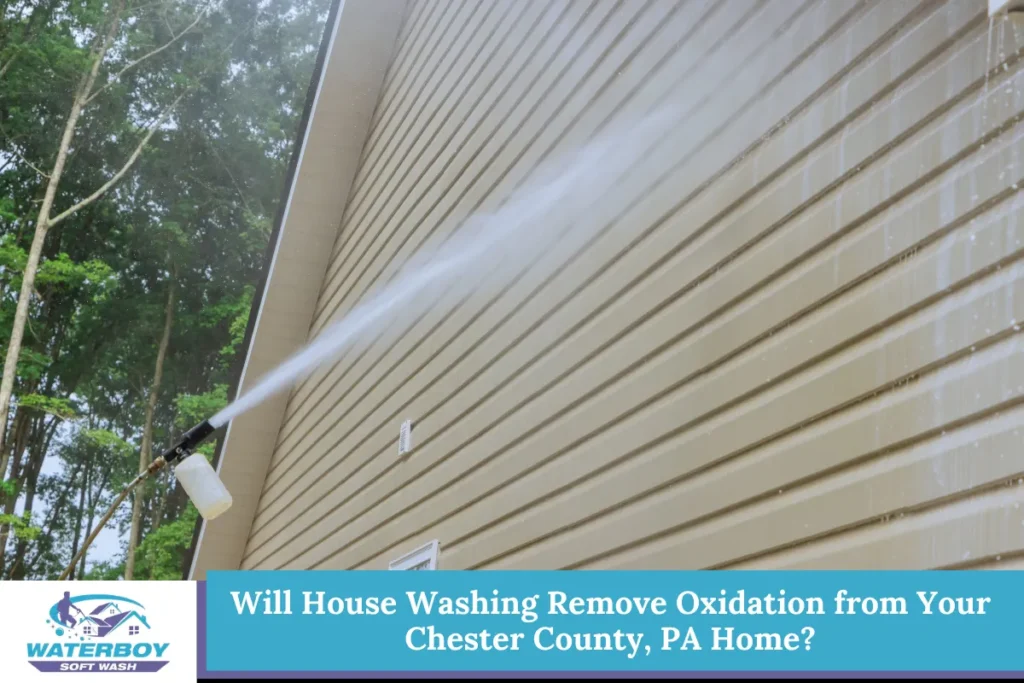
The distinction between these two methods matters enormously when oxidation is involved. Soft washing uses low pressure to clean surfaces safely, typically operating below 500 PSI and often under 300 PSI. It relies on the chemical action of detergents, surfactant dwell time, and gentle rinsing to do the heavy lifting. Soft washing prevents damage to surfaces during cleaning and avoids forcing water behind cladding or into wall cavities.
High-pressure washing is not recommended for oxidized siding. Pressure washing removes dirt and stains effectively from hard surfaces like concrete driveways and sidewalks, but on chalky vinyl or aluminum, high pressure tends to smear the oxidation rather than remove it. The result is often streaks, swirl marks, or stripped coatings that look worse than before.
Here is a quick comparison:
| Factor | Soft Wash | High-Pressure Wash |
| Oxidation removal on light chalking | Effective and uniform | Risky, tends to smear |
| Risk of surface damage | Low with correct chemistry | High on vinyl, aluminum, wood |
| Water intrusion risk | Minimal | Significant at window seals, joints |
| Warranty compliance | Generally safe | May void manufacturer warranties |
| Best suited for | Siding, gutters, trim, stucco | Concrete, brick, pavers, driveways |
Low-pressure washing eliminates biological growth at its source while keeping delicate materials intact. Soft washing also prevents water from getting behind siding, which protects framing and insulation from moisture damage. For oxidized siding in particular, eco friendly surfactants combined with controlled rinse techniques produce far better results than brute force.
Homeowners should avoid renting power washing equipment for oxidized siding. Instead, request a free quote from a local team that can evaluate the safest method for each surface on your home.
Types of Surfaces and How Well Oxidation Responds to Washing
Different exterior materials respond differently to oxidation removal, so expectations should be set by surface type and age before any work begins.
Vinyl siding: Light oxidation often responds well to a carefully balanced soft wash with restoration detergents. However, older, brittle panels with heavy chalking may not fully recover their original color. Soft washing is ideal for vinyl siding and stucco surfaces because it cleans without flexing or cracking aged material.
Aluminum siding and gutters: Mild chalking can usually be improved with detergents and gentle scrubbing using soft brushes or pads. Long-term neglect, though, can leave permanent streaks and pitting that cleaning cannot erase.
Painted wood and fiber cement: House cleaning can remove surface dullness and other contaminants, but it may reveal underlying paint failure underneath. In these cases, the next step is repainting rather than additional washing. Major siding manufacturers recommend only mild detergents and low pressure to avoid breaching factory finishes.
Roof surfaces: Black streaks on asphalt shingles are usually algae, not oxidation, so roof cleaning focuses on algae removal with low pressure to avoid shingle damage. This is a separate process from siding oxidation treatment.
Hard surfaces: Concrete driveways and sidewalks benefit from pressure washing, and these durable materials can handle the higher PSI that would damage siding. Patios and walkways around the property also respond well to power washing when done at the right angle and distance.
Read How House Washing Instantly Boosts Curb Appeal in Chester County, PA
How Professionals Safely Treat Oxidation During House Washing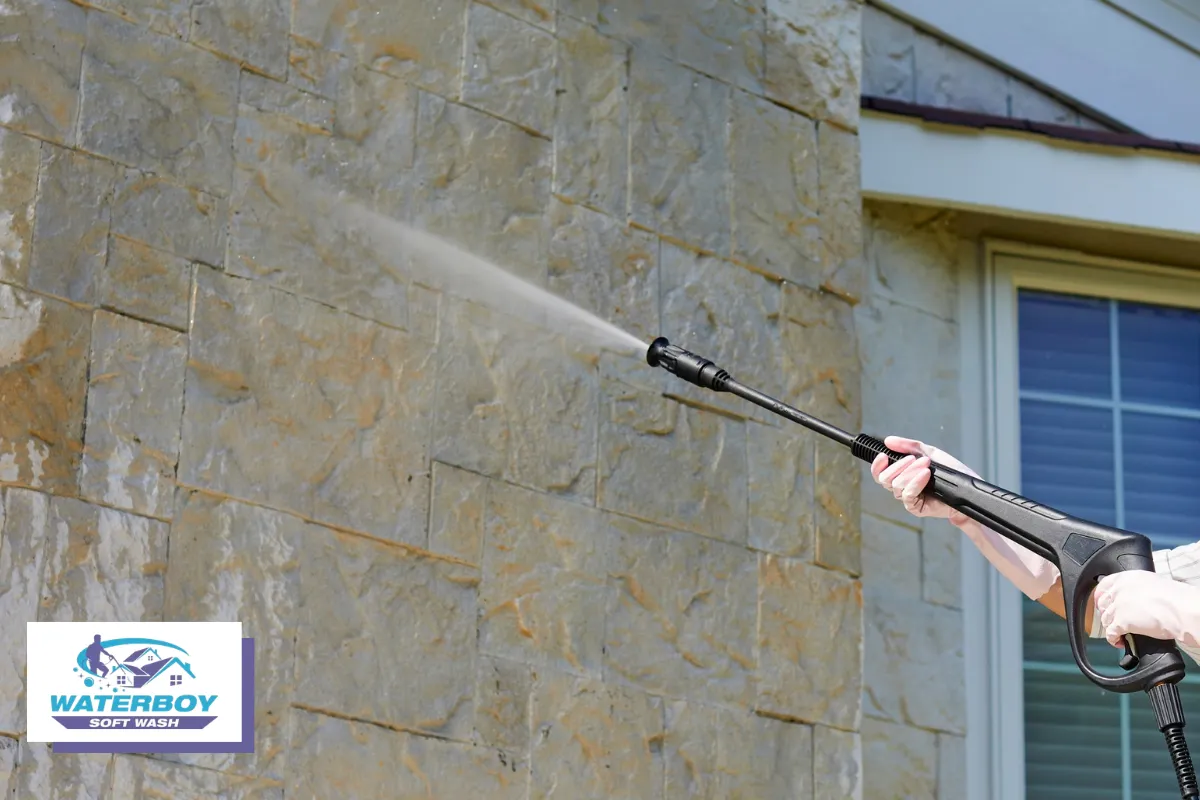
Safe oxidation removal blends chemistry, gentle pressure, and technique tailored to each surface on the home. It is not a one-size-fits-all job, and cutting corners with the wrong method or solution can turn a cosmetic issue into a costly repair.
The process typically follows these steps:
- Inspection and testing – Walking the entire property, performing the chalk test on multiple walls, identifying heavily sun-damaged areas, and noting any loose panels, failing paint, or caulk gaps before any cleaning begins.
- Chemistry selection – Choosing detergents designed for soft wash exteriors that loosen oxidation and organic growth at manufacturer-recommended dilution strengths. Specialized cleaning solutions remove mold and algae effectively while also addressing surface chalking.
- Application and dwell time – Applying the solution and allowing it to soak without drying on the surface. Light agitation with soft brushes on problem areas like gutters and highly oxidized trim helps lift stubborn chalk without scuffing.
- Rinse – Thorough low-pressure rinsing from top to bottom, checking for streaks or missed areas, and protecting plants and painted surfaces throughout the process.
- Final inspection – Documenting results, noting any areas where oxidation was too severe for cleaning alone, and recommending next steps such as painting or panel replacement.
Proper washing prepares surfaces for oxidation treatment and ensures adhesion if repainting is needed later. House washing improves paint adhesion for better finishes, which means that even when a full restoration is required, the cleaning step is never wasted.
Why Local Climate and Building Styles Matter in Chester County
Chester County’s humidity, shade patterns, and seasonal temperature swings all affect how quickly oxidation and biological growth develop on residential homes. The region’s mix of older stone and masonry structures with newer vinyl or aluminum additions means that a single property may have three or four different materials on its exterior, each needing a tailored cleaning strategy.
Tree-lined streets and shaded lots trap moisture against siding and trim, increasing mold, mildew, and debris buildup. Professionals in this area often combine oxidation treatment with organic growth removal because the two problems tend to overlap. High pressure can damage older stone and masonry surfaces, which is another reason local best practices favor soft washing over aggressive methods on delicate façades.
Chester County homeowners should consider scheduling exterior cleaning on a regular cycle, typically every one to three years depending on shade, orientation, and exposure to road dust. Homes near agricultural areas or heavily wooded lots may need attention more frequently. Pressure washing is essential for maintaining exterior surfaces like walkways and driveways around the property, but the walls themselves almost always call for a gentler approach.
Safety, Environmental, and Property Protection Considerations
Safe house pressure washing in Chester County should respect the property, landscaping, and downstream waterways. Pennsylvania environmental guidelines treat detergent-laden wash water as a regulated discharge, so reputable washing services follow label instructions for all cleaning agents and use techniques that minimize runoff into storm drains.
Key protective steps during a professional wash include:
- Pre-wetting plants and covering sensitive landscaping before applying any solution
- Using appropriate dilution rates for all detergents to avoid harming vegetation or painted surfaces
- Avoiding overspray on vehicles, outdoor furniture, and neighboring properties
- Containing or redirecting runoff away from storm drains and nearby water bodies
Soft washing protects window seals and reduces moisture damage by keeping pressure low enough to avoid forcing water into gaps around frames and flashing. Worker safety practices such as ladder stabilization, awareness of overhead power lines, and keeping bystanders and pets clear of the work area are equally important, especially on multi-story homes.
Before hiring any contractor for oxidation removal, verify their insurance coverage and ask about their training and process. The last thing any homeowner wants is to pay for a service that damages their property’s exterior or creates an environmental compliance issue.
Slowing Oxidation After Your Home Has Been Washed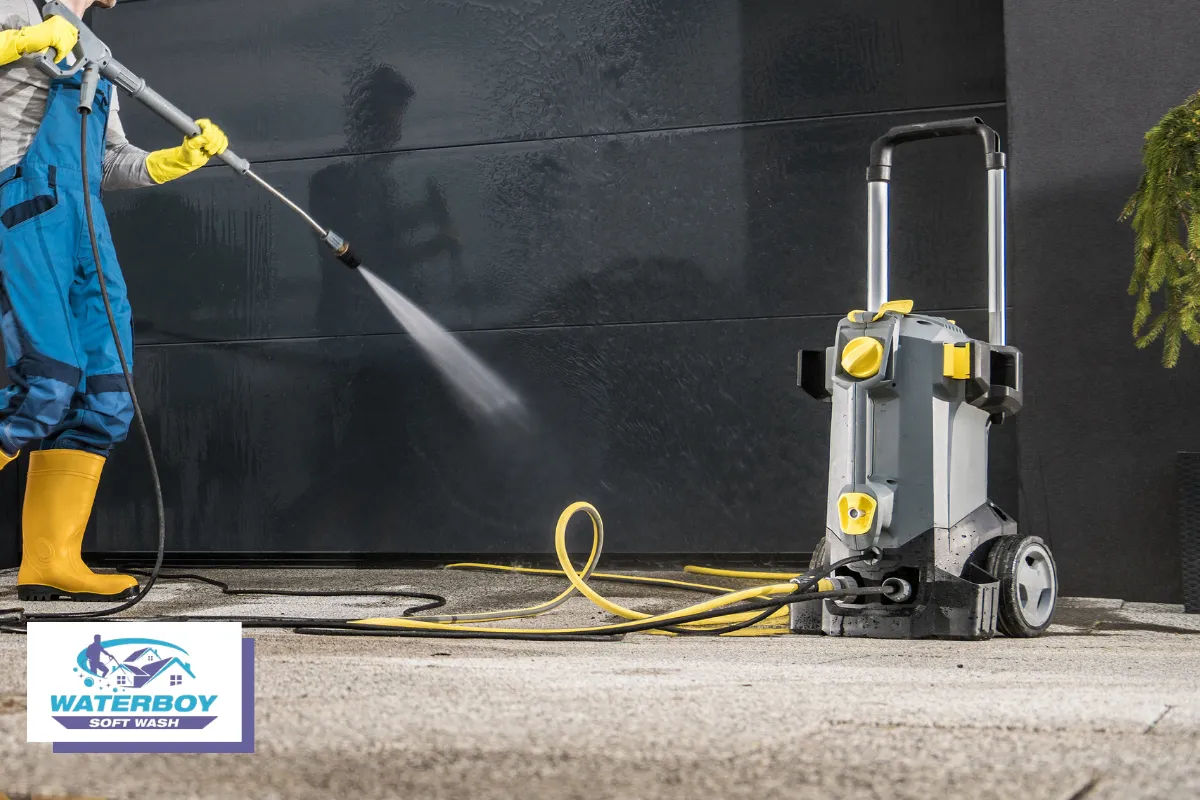
Even though oxidation is inevitable over time, homeowners can slow it significantly after a professional cleaning. Pressure washing can restore curb appeal to properties, and maintaining that fresh appearance takes far less effort than starting from scratch.
Practical steps to extend your results:
- Schedule regular exterior house cleaning every two to three years, or more often for heavily exposed elevations and gutters facing west or south.
- Rinse gutters and check downspouts routinely to reduce the streaking and staining that accelerate visible tiger striping and discoloration.
- Inspect siding and trim annually for early signs of chalking, peeling paint, or caulk failure so issues can be addressed before they worsen into something that cleaning alone cannot fix.
- Trim overhanging branches to reduce shade-trapped moisture that encourages mold, algae, and accelerated surface breakdown.
If oxidation has advanced beyond what cleaning can effectively restore, consult with a soft wash specialist about protective coatings or repainting options. Addressing the problem early protects your investment and keeps the beauty of your home intact for years to come.
DIY vs. Professional Help for Oxidation Issues
DIY methods may handle light oxidation, but misusing high pressure or harsh cleaners can cause permanent damage that costs far more to repair than a professional wash would have.
Safe DIY steps for mild cases:
- Start with a garden hose, a soft brush, and a manufacturer-approved cleaner.
- Test on a small, inconspicuous area first and check results before proceeding.
- Work in manageable sections, rinsing top to bottom.
- Never aim water upward behind siding or into soffits.
Situations where professional soft washing services are strongly recommended:
- Multi-story homes where ladder work and reach create safety risks
- Heavy chalking or visible panel warping on aging siding
- Mixed-material exteriors that need different cleaners and pressures for each surface
- Commercial properties or homes preparing for sale where appearance matters most
Request a free quote and a clear explanation of expected results so you understand what house washing can and cannot fix on your property before any work begins. A trustworthy team will set realistic expectations and recommend additional steps like painting if needed, rather than overpromising what a single wash can accomplish.
House Washing in Chester County, PA – Water Boy Soft Wash
At Water Boy Soft Wash, we specialize in gentle, effective house washing for Chester County homeowners dealing with oxidation, algae, mildew, and everyday grime. Our team uses low pressure and professional grade equipment paired with eco friendly detergents to safely remove dirt, chalk, and biological growth from vinyl siding, aluminum gutters, painted trim, stucco, and more. We evaluate every surface before we start, choosing the right method to protect your home while delivering visible results. Whether you need soft washing services for oxidized siding or roof cleaning to tackle stubborn algae streaks, we serve residential homes and commercial properties across Chester County, Pennsylvania. Call us at (610) 812-7378 or fill out our contact form today for a free quote. We are here to help you restore your property’s exterior and keep it looking its best.
Frequently Asked Questions
How Long Do Oxidation Removal Results Usually Last After Soft Washing?
In Chester County conditions, you can generally expect improved appearance to last between two and five years after a professional soft wash that addresses oxidation. The timeline depends on several factors, including how much direct sun your siding receives, the age and condition of the existing finish, and whether you maintain the exterior between professional cleanings. South- and west-facing walls tend to re-oxidize faster than shaded elevations. Homes surrounded by mature trees may stay cleaner longer from a UV standpoint but accumulate more moisture-related growth. Scheduling a maintenance wash every two to three years is a practical way to stay ahead of visible chalking before it becomes severe again.
Will House Washing Affect the Warranty on My Siding or Roofing?
It can, depending on the method used. Most major siding and roofing manufacturers allow gentle cleaning with mild detergents and low pressure, but they often specify maximum PSI limits and nozzle angles in their warranty documents. Using a zero-degree nozzle or exceeding recommended pressure can void coverage. Before any cleaning, check your manufacturer’s care and maintenance guidelines for approved methods. Working with a professional who follows those limits helps preserve your warranty. If your siding carries a finish warranty that covers chalking resistance up to certain standards, regular cleaning may actually be required to keep that warranty valid, so skipping maintenance can be just as risky as improper cleaning.
What Should I Do to Prepare My Home Before a Professional Wash?
Start by moving vehicles out of the driveway and away from the house to prevent overspray or chemical contact. Close all windows and doors securely, and make sure any pet doors are latched. Move outdoor furniture, grills, potted plants, and decorations away from the walls being cleaned. If you have delicate landscaping close to the foundation, let the crew know so they can pre-wet and cover those areas. Point out any pre-existing damage such as loose siding panels, cracked trim, broken window seals, or areas where caulk has failed. This helps the team adjust their approach and avoids any disputes about damage after the project is complete.
How Is Pricing Different for Oxidation Treatment Compared to a Standard Wash?
Oxidation treatment typically costs more than a standard exterior wash because it involves specialty detergents, longer dwell times, and often manual agitation with soft brushes on heavily chalked areas. The price depends on several variables: the severity of oxidation, the total square footage of affected siding, how many stories the home has, accessibility challenges like steep grades or tight landscaping, and the mix of materials on the exterior. A home with lightly chalked vinyl on one elevation will cost significantly less than a property with heavy oxidation across all four sides plus gutters and trim. Getting a detailed estimate upfront ensures there are no surprises once the job is underway.
Can Oxidation Be Completely Prevented with Regular Cleaning?
No. Oxidation is a natural chemical process driven by UV exposure, oxygen, and moisture, so it cannot be eliminated entirely. However, regular house washing can significantly slow its progression. By removing the chalky layer before it thickens and traps more contaminants, you reduce the compounding effect that makes oxidation look worse each year. Keeping siding clean also allows you to spot early signs of coating failure before they become irreversible. Think of regular exterior cleaning as a way to delay the point where repainting or replacement becomes necessary, rather than a permanent cure. Combined with trimming shade trees and maintaining gutters, a consistent cleaning schedule is the most cost-effective defense available.
Disclaimer: This article provides general exterior cleaning information for Chester County, PA homes. Homeowners should seek site-specific professional advice before attempting any oxidation removal or house washing on their own property.
Read How Much Does Exterior Cleaning Cost in Chester County, PA?