

How House Washing Helps Prevent Pests Around Your Home
House washing does more for your property than just making it look fresh. For homeowners across Chester County, regular exterior cleaning is one of the most practical steps you can take to cut down on pest activity around your home. The reason is straightforward: when you remove the grime, webs, nests, and organic film that accumulate on siding, trim, soffits, and porch ceilings, you physically eliminate the conditions that allow many insects to thrive.
Moist environments foster mold and mildew growth, which attracts pests. In southeastern Pennsylvania, where annual precipitation averages roughly 45.7 inches and summer highs push into the mid-80s with sticky humidity, the exterior of your house collects algae, pollen, spider webs, insect droppings, and leaf debris at a faster rate than drier climates. That buildup is not just unsightly. It acts as shelter and a food source for spiders, boxelder bugs, ants, wasps, and other unwanted visitors. House washing aids in reducing pest activity by removing debris that these creatures rely on for harborage.
Regular cleaning serves as a preventive barrier against pest infestations. It can help make homes less inviting to insects and rodents by stripping away the moisture-trapping films and organic matter they need. House washing also reduces pests like insects and spiders by disrupting the cycle of colonization before it gains momentum. Pest pressure in Chester County runs from late April through October, making exterior cleaning a seasonal priority rather than an afterthought.
It is worth noting that house washing does not apply pesticides. It supports pest prevention by physically removing conditions that attract and shelter pests, not by chemical extermination. The sections below dig into specific pests, problem areas on your home, and the safest washing methods for Pennsylvania properties.
Key Takeaways
- Yes, professional house washing in Chester County can reduce and help prevent common pests like spiders, ants, stink bugs, wasps, and carpenter bees by removing webs, nests, and organic buildup they depend on.
- Soft, low-pressure methods are preferred on most siding to avoid damage while still clearing pest harborage areas around soffits, trim, and window frames.
- Exterior cleaning supports but does not replace licensed pest control. Together, they create a stronger integrated pest management plan.
- Regular house washing increases curb appeal significantly and a clean exterior can help sell your house faster.
- Using trained local experts who follow Pennsylvania regulations and manufacturer guidelines is critical to keep your home safe, protect landscaping, and avoid voiding warranties.
Common Chester County Pests That Exterior Cleaning Can Deter

Not every pest responds to exterior cleaning in the same way. Some are directly displaced by a thorough wash, while others are indirectly discouraged when their preferred habitat disappears. Here is a break down by pest type.
- Spiders and cobwebs are among the most visible targets. Soft washing knocks down webs under eaves, porch ceilings, and around light fixtures while removing egg sacs tucked into corners. Without those anchoring points, spiders are slower to reestablish, especially when surfaces stay clean through the summer months.
- Stink bugs, boxelder bugs, and lady beetles cluster on south-facing siding in the fall as they search for spots to overwinter. A clean, repeatedly washed surface offers fewer cracks, debris pockets, and webbing for them to cling to. Cleaning removes algae, moss, and mold that attract pests and give these insects something to grip.
- Wasps and hornets build nests under soffits, behind shutters, and in porch corners. Periodic exterior cleaning, timed after nests are professionally removed, helps keep those areas less attractive by clearing pheromone residue and old nest material.
- Carpenter bees and woodpeckers target exposed or softened wood around fascia and trim. While washing alone will not stop them, keeping painted wood clean and dry makes it easier to spot early damage and coordinate repairs with pest control.
- Ants and other crawling insects follow foraging trails along foundations and patios. Rinsing away food residue, pollen-heavy grime, and sap on hard surfaces can break those trails. House washing prevents pest infestations by eliminating organic food sources they rely on.
Algae, mold, and dirt buildup can act as a food source for pests across all of these categories, so consistent cleaning addresses multiple species at once.
Problem Areas on a Home Where Pests and Grime Work Together
Pests do not spread evenly across your property’s exterior. They concentrate in damp, dirty, or sheltered spots that most homeowners rarely inspect up close. Effective house pressure washing and soft washing services focus on these exterior hot zones to deliver results that matter for pest prevention.
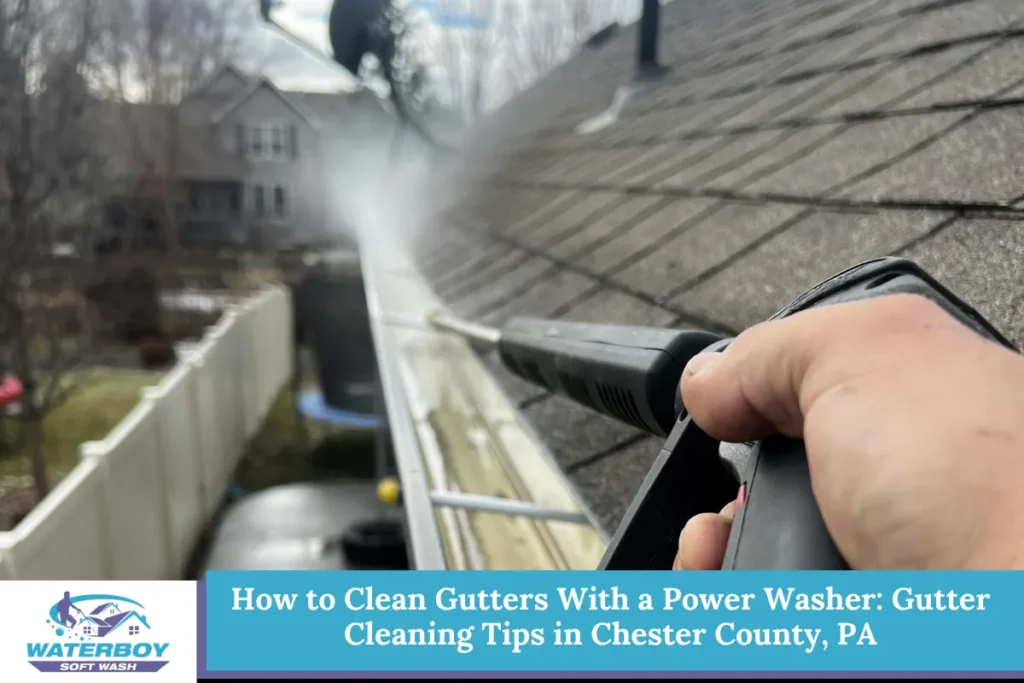
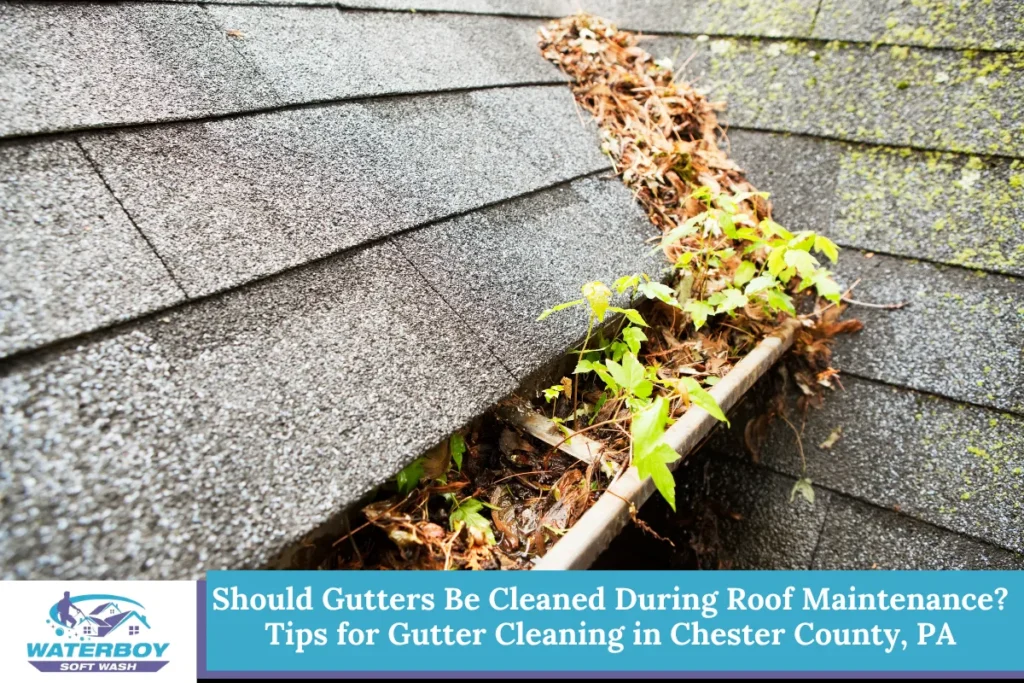
Soffits, fascia, and gutter lines are prime real estate for insects. Mildew, overflow streaks, and leaf sludge near gutters attract spiders and wasps looking for nesting spots. Black stains from algae growth along these areas signal the kind of organic growth that holds moisture and feeds pest colonies. A careful wash can clear this unsightly buildup and extend the life of your trim and fascia.
Siding overlaps, window trim, and door frames collect dirt, algae film, and spider webs in every seam. These deposits hide small gaps where ants and beetles can slip indoors. Cleaning helps spot cracks and entry points for pests more easily, so caulking and repairs happen before an infestation takes hold. Routine exterior washing reduces sheltered moisture that attracts pests to these vulnerable areas.
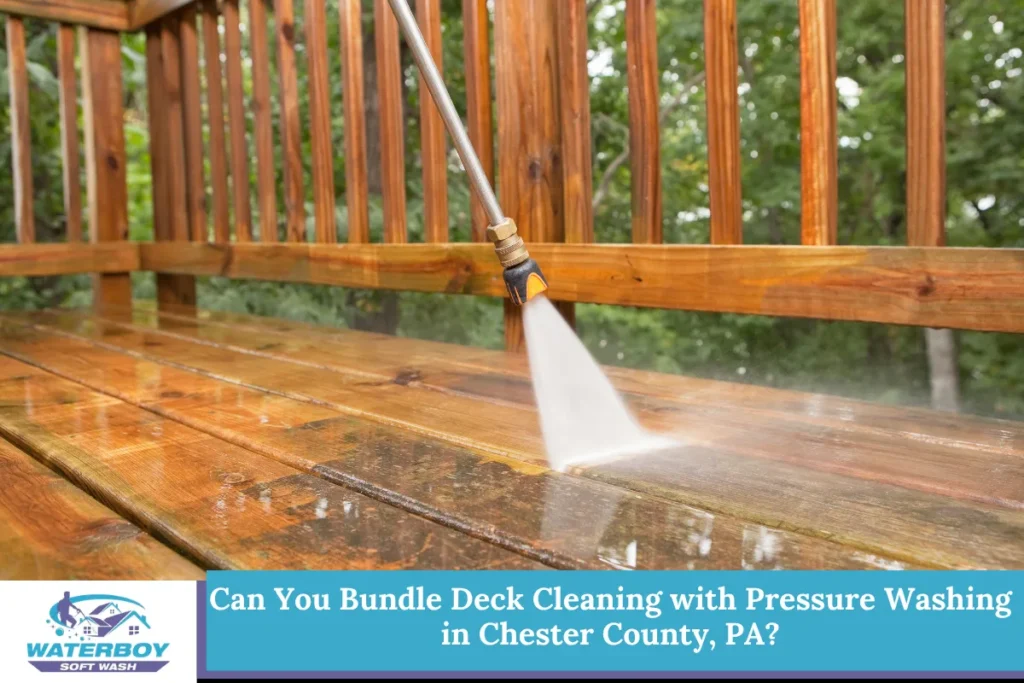
Porches, decks, and railings gather webs, wasp combs, and fly spots on their undersides. A dirty railing coated in pollen is not just an eyesore; it is an invitation. Exterior cleaning removes both organic residue and existing nests after checking for active stinging insects.
Hard surfaces like walkways, paver patios, and concrete pads deserve attention too. Concrete cleaning strips away algae, moss, and accumulated debris that shelter ground-dwelling insects and create slip hazards. A clean driveway enhances the overall appearance of your home while reducing the damp, shaded conditions earwigs and centipedes prefer.
Foundation walls and the lower courses of siding catch mud splatter, mulch residue, and vegetation stains. Washing off this layer reduces hiding places for centipedes, earwigs, and ground spiders near the ground level. Regular house washing can prevent structural damage from pests that exploit these neglected zones over time.
Read Can I Combine House Washing With Window or Roof Cleaning in Chester County, PA?
Soft Washing vs. High-Pressure Cleaning for Pest Prevention
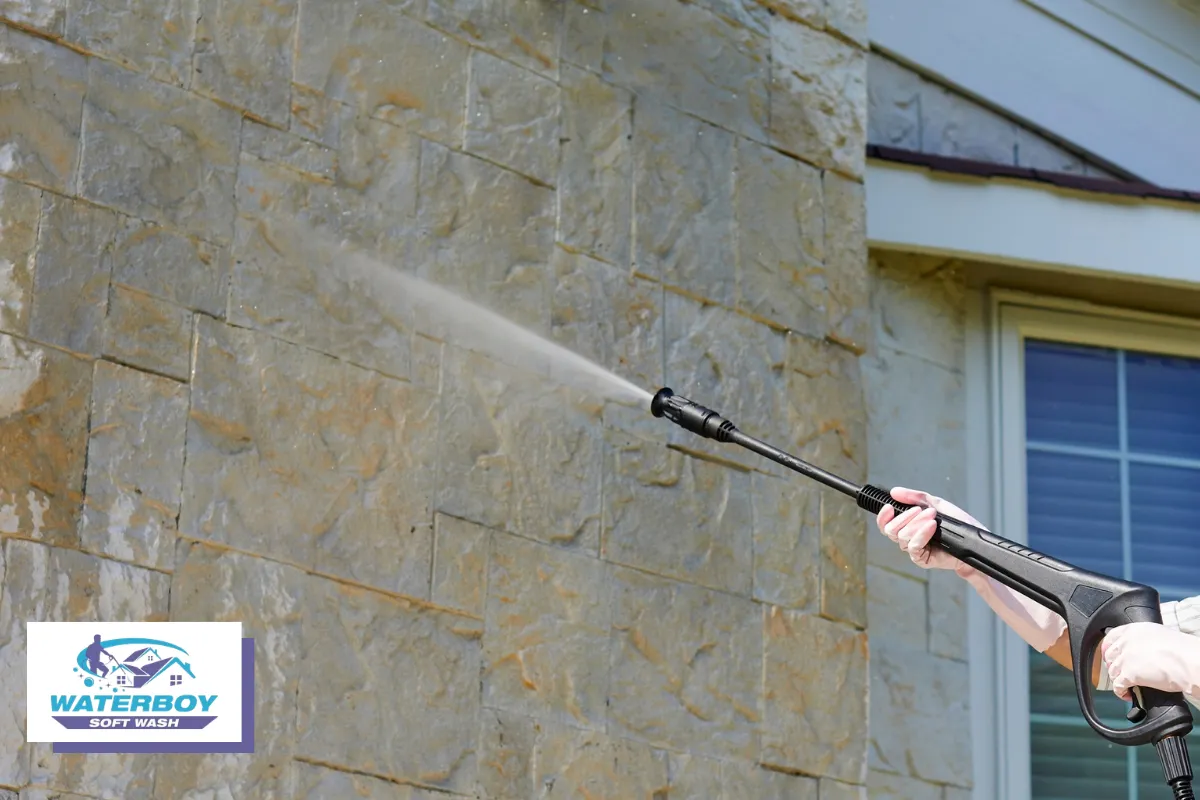
The goal is to remove pest-harboring grime without damaging your home’s exterior, so the cleaning method you choose matters more than many property owners realize.
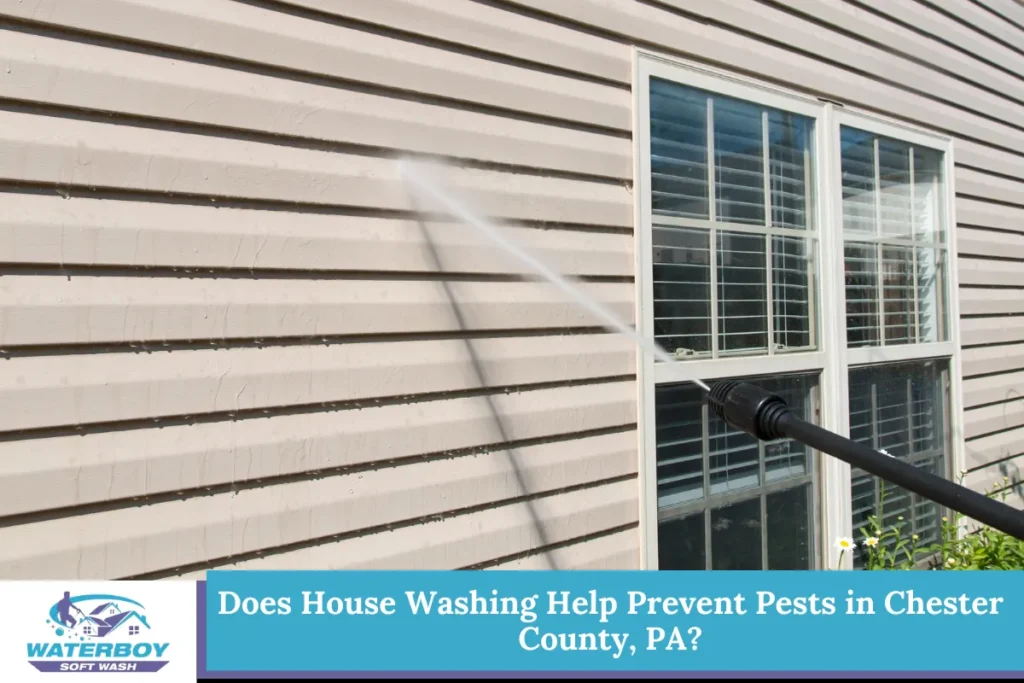
The soft wash process uses low-pressure application, typically under 500 PSI and often closer to 200 to 300 PSI, paired with specialized cleaning solutions that dwell on surfaces before a gentle rinse. This soft washing technique is ideal for vinyl siding, painted wood, stucco, and composite trim common throughout neighborhoods near West Chester, Downingtown, and Kennett Square. Soft washing targets organic growth that can harbor pests, and it removes mold and algae at the root rather than just blasting off the visible film. Biodegradable detergents used in soft washing can sanitize surfaces, and results can keep surfaces clean for one to three years depending on exposure. It is safer for delicate surfaces like vinyl siding, and it reduces the risk of structural moisture damage caused by water forced behind panels.
Traditional power washing or high pressure washing is appropriate on hard surfaces like concrete, brick, and pavers where you need to strip stubborn dirt and algae that shelter insects. A pressure washer running at 1,500 to 3,000 PSI can do this job effectively. Pressure washing can make your home look like new again when used on the right surfaces and provides a deeper clean on materials that can withstand the force.
Pennsylvania homeowners should avoid DIY high pressure water on siding and roofs. Using too much force can drive water behind cladding, dislodge shingles, and void manufacturer warranties. Even using just water at excessive PSI creates risk on surfaces not designed for it. Consumer guidance consistently warns against high pressure on soft mortar, painted wood, and roof shingles.
Professional hands using commercial grade equipment can adjust pressure, swap fan tips, and proportion detergents to target pest-prone areas without stripping paint or damaging landscaping. Soft washing prevents costly repairs by removing harmful buildup gently. Reputable washing services follow label directions for detergents and rinse thoroughly to protect plants, soil, and stormwater systems across Chester County.
How Often to Wash Your Home’s Exterior in Chester County
There is no universal schedule, but most homes need washing once a year. Properties in Chester County that sit under heavy canopy or near streams often benefit from an annual cycle or even an extra wash in between. Professional soft washing is recommended once a year before peak bug seasons to stay ahead of the buildup that attracts insects during the warmer months.
Several factors push toward more frequent service:
- Heavy tree cover that drops leaves, sap, and pollen onto siding
- Proximity to fields, streams, or agricultural areas
- Extensive exterior lighting that draws bugs at night
- North- or east-facing siding that stays shaded and damp, accelerating algae and spider activity
Homes with full sun exposure, good drainage, and minimal tree canopy may extend to 18 to 24 months between washes while keeping pests and organic growth under control. Visible buildup of algae, grime, or webbing indicates it is time for a wash regardless of your schedule.
For high-contact or high-pest areas like porch ceilings, entryways, light fixtures, and lower siding where children and pets play, more frequent touch-ups make sense. Spring is a common time for house washing because it lines up with rising pest activity in May and June, while a second ideal window opens in early fall around September and October when stink bugs and lady beetles begin searching for overwintering spots. You should also book a house washing after each major weather event that deposits heavy debris on your home.
Anyone using licensed pest control services on their exterior should coordinate timing carefully. Generally, schedule washing a week or more after treatments so physical cleaning does not immediately remove applied products from surfaces.
Working Safely and Legally: Best Practices for Exterior Cleaning in Pennsylvania
Effective pest-related exterior cleaning also has to respect safety, siding warranties, and Pennsylvania environmental rules. Cutting corners here can lead to property damage, legal headaches, or harm to the surrounding environment.
Ladder and fall safety is the first concern. Parts of Chester County are hilly with steep grades, and climbing to second-story soffits or roof lines without proper training is a serious risk. Homeowners should avoid doing the heavy lifting themselves at height and instead hire insured professionals trained in working safely above ground. This protects your family and keeps the job moving efficiently.
Chemical safety and labeling requirements apply to every detergent and algaecide used during the process. Products must be applied according to manufacturer directions and any EPA registration. Overspray into storm drains, streams, or wells is prohibited. Chester County municipalities operate under Act 167 stormwater management ordinances and MS4 permitting that limit how wash water is discharged. A quality company will control runoff, avoid washing loose paint or heavy contaminants into public drains, and follow all applicable rules.
To protect your landscaping, professionals pre-wet plants and post-rinse surrounding beds and lawns. Temporarily covering delicate shrubs during the wash prevents chemical contact while still achieving a thorough clean. These steps help keep your property looking its best without sacrificing plant health.
Before attempting any DIY high pressure work, check your home insurance, HOA rules, and siding or roofing warranties. Improper washing can void coverage or violate association guidelines. Roof cleaning, in particular, requires careful attention to manufacturer specifications. When in doubt, hire a professional service that understands both the exterior cleaning needs of your home and the regulations that govern the work in your area.
House Washing in Chester County, PA – Water Boy Soft Wash
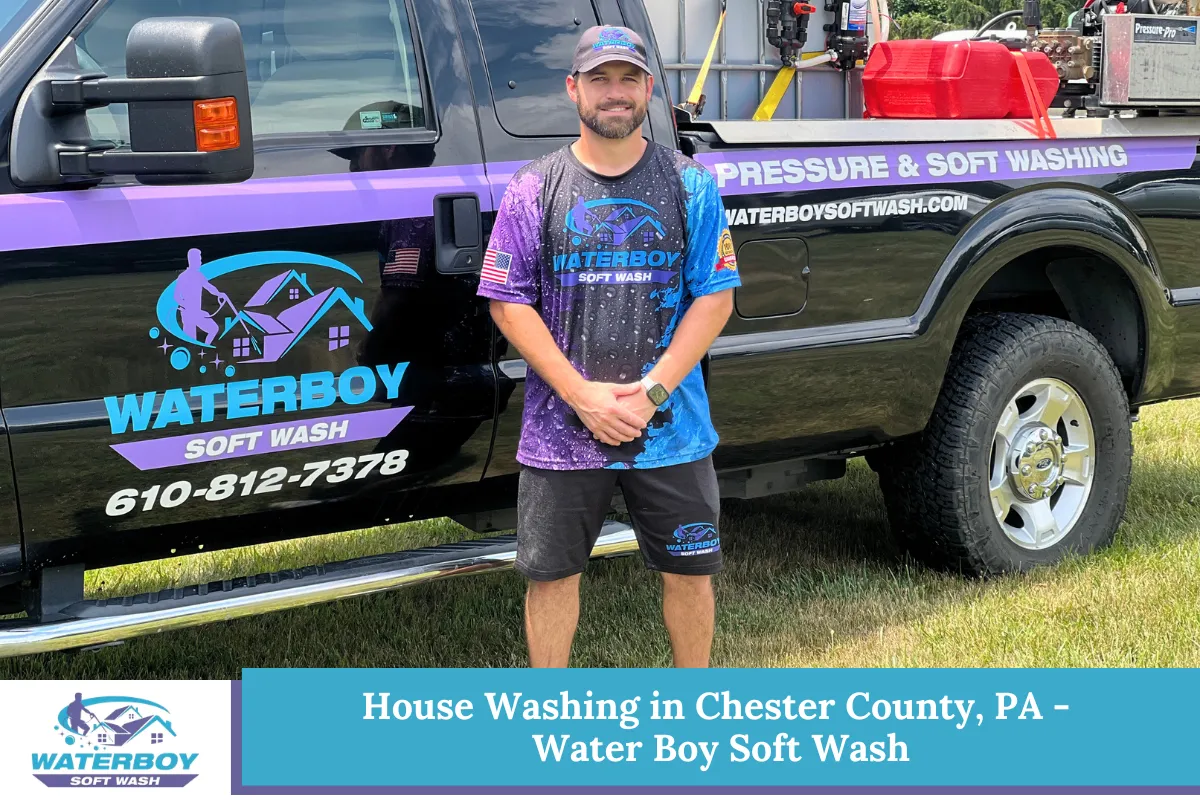
We are Water Boy Soft Wash, and we proudly serve homeowners and businesses throughout Chester County, Pennsylvania with full service exterior cleaning designed to protect your property and keep pests at bay. Our team uses a proven soft washing approach on siding, trim, roofs, and every delicate surface of your home’s exterior, so we safely remove algae, remove mold, and clear away spider webs and insect residue without high pressure that causes damage.
We rely on commercial grade equipment and carefully chosen cleaning solutions to reach second-story soffits, under-eave corners, and all the spots where wasps, spiders, and other pests love to hide. Our customers across residential and commercial properties trust us to deliver results that last while treating landscaping with care.
Call us at (610) 812-7378 or fill out our contact form to get a free estimate. We tailor every exterior cleaning plan to your property’s pest pressure, shade level, and siding type. Whether you need a seasonal wash, concrete cleaning, or a targeted treatment for problem areas, our local experts are ready to show you the difference. Reach out today for a free quote and let us make your home brighter, cleaner, and far less inviting to unwanted bugs.
Frequently Asked Questions
Does house washing replace the need for an exterminator?
House washing is not a direct substitute for professional pest control measures. It is a preventive maintenance tool that reduces harborage, removes webs and egg sacs, and strips away the organic film that many pests depend on. However, it does not treat interior infestations, colonies hidden inside wall voids, or protected nests that require licensed extermination. Think of exterior cleaning as one layer of defense within a broader integrated pest management strategy. For established infestations or recurring problems with termites, rodents, or other serious pests, you still need a licensed pest control professional working alongside your cleaning schedule.
Will soft washing harm birds, pollinators, or beneficial insects?
When performed correctly, soft washing poses minimal risk to birds, pollinators, and beneficial insects. Professional crews time their work to avoid spraying active nests or hives and use biodegradable detergents that break down quickly after rinsing. Pre-wetting and post-rinsing surrounding plants dilutes any residual product that reaches flower beds. Most washing services schedule work during morning hours when pollinators are less active. If you have birdhouses, bat boxes, or known pollinator gardens near your home, let your cleaning company know beforehand so they can adjust their approach and avoid those zones during application.
Can I do my own house washing to keep pests away?
Ground-level rinsing with a garden hose can handle light cobwebs and pollen on lower siding, porches, and patios. However, a garden hose lacks the pressure and detergent delivery needed to address algae, mold, or stubborn dirt higher up on your home. Reaching second-story areas introduces serious fall hazards, and using a consumer-grade pressure washer without training risks damaging siding, forcing water behind panels, or stripping paint. For anything beyond casual ground-level maintenance, hiring a professional company with the right equipment and insurance is the safer, more effective choice for both pest prevention and surface preservation.
Is it better to wash before or after a pest control treatment?
Coordination with your licensed pest control provider is important. In most cases, it is best to schedule your house wash before the pest control treatment so the technician applies product to clean, residue-free surfaces where it adheres better and lasts longer. If you wash after a treatment, wait at least seven to ten days so the applied barrier has time to cure and work. Some pest control professionals recommend a specific interval based on the product they use, so a quick phone call to your provider before booking a wash will help you avoid wasting either service.
What signs show my home needs washing for pest reasons?
Several visual cues indicate it is time to schedule a wash for pest-related reasons. Look for clusters of spider webs under eaves and porch ceilings, especially if they reappear within days of being knocked down. Bug activity around exterior light fixtures at night suggests nearby harborage on your siding or trim. Wasp nest remnants or mud dauber tubes under soffits point to conditions that attract nest builders. Green or dark algae film on north-facing walls, visible mildew streaks near gutters, and dirty window frames packed with dead insects all signal that organic buildup has reached a level that supports pest colonization and needs professional attention.
Disclaimer: This article provides general information only and is not a substitute for licensed pest control, legal, or warranty advice. Consult qualified Pennsylvania professionals for recommendations specific to your property.
Read Power Washing Risks: Why DIY Mistakes Could Cost You Thousands in Chester County, PA