

Why Concrete Cleaning Matters More Than You Think
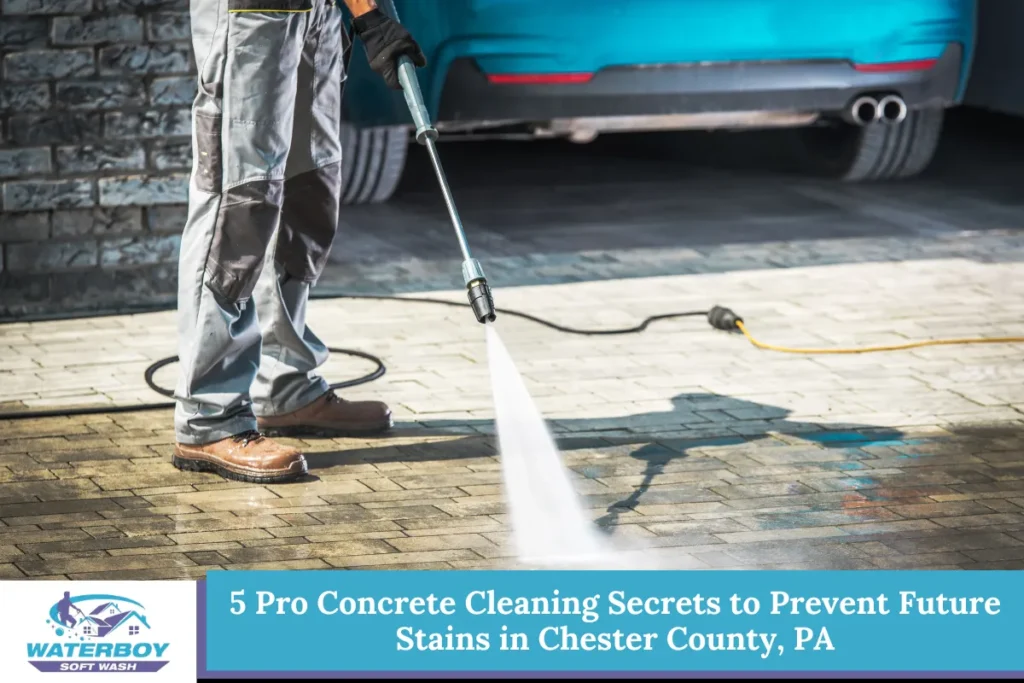
Concrete cleaning is often overlooked until stains become impossible to ignore. Dirt, oil stains, and stubborn grime slowly build up on your concrete surface, turning once-clean driveways and patios into eyesores. Over time, neglect can lead to deep set stains, surface damage, and even costly repairs. The frustration grows when basic cleaning methods fail to restore the original look.
The good news is that with the right approach, you can prevent these issues before they start. By using proven techniques like pressure washing concrete, soft washing, and proper sealing, you can maintain clean, durable surfaces year-round. This guide reveals five professional secrets designed specifically for homeowners who want lasting results without constant upkeep.
The Science Behind Stains on Concrete Surfaces
Concrete is naturally porous, which means it absorbs liquids like oil, grease, and water. Once these substances seep into the surface, they create stains that are difficult to remove. High traffic areas such as concrete driveways and sidewalks are especially vulnerable due to constant exposure to dirt and debris.
To clean concrete effectively, it is recommended to assess the surface for stains and damage before applying any cleaning solution. This step ensures the right cleaning process is used for each type of stain.
Common Causes of Stubborn Stains
- Oil stains from vehicles
- Grease stains from outdoor cooking
- Rust from metal furniture
- Mold and mildew in shaded areas
- Organic debris like leaves and dirt
Sweep weekly to remove leaves and dirt that can trap moisture and cause organic stains. This simple habit significantly reduces long-term buildup.
Secret #1: Master the Right Pressure Washing Technique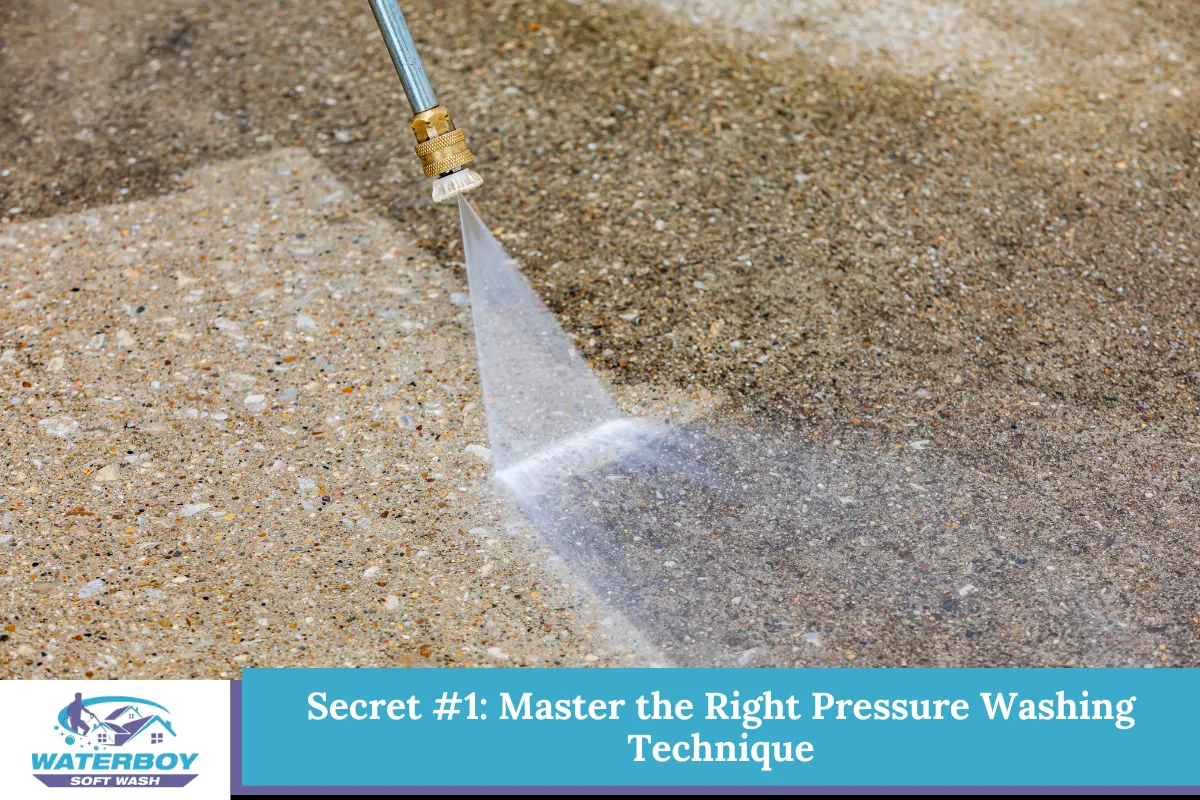
Pressure washing concrete is one of the most effective ways to remove embedded dirt and stubborn grime. However, using the wrong pressure can cause more harm than good.
The ideal pressure for cleaning concrete surfaces is between 2,500 and 3,000 PSI, which effectively cleans without causing damage. This range hits the sweet spot between power and safety.
Choosing the Right Equipment
- Electric pressure washer for small jobs
- Gas unit for tough stains and larger areas
- Surface cleaner for even coverage
Using a gas pressure washer is recommended for cleaning concrete, especially for tough stains, as they typically exceed 3,000 PSI, providing the necessary power for effective cleaning.
When pressure washing concrete, it is important to avoid high pressure on cracked or decorative surfaces to prevent further damage.
Pro Tip
For driveways and patios, pressure wash with hot water at least once a year to remove winter grit, ideally in spring.
Secret #2: Use the Right Concrete Cleaner for Each Situation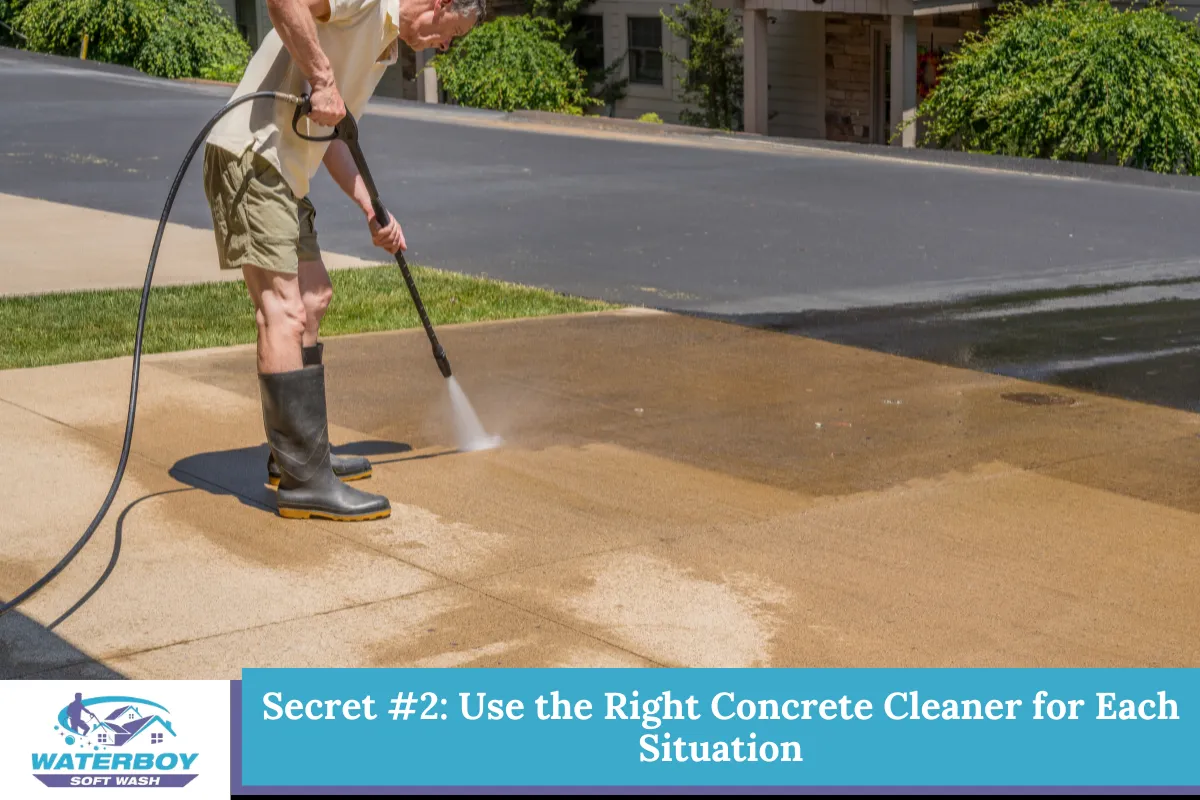
Not all cleaning products are created equal. Choosing the right concrete cleaner can make a significant difference in your results.
Simple Green Oxy Solve outdoor concrete cleaner is effective for removing dirt, grime, mold, mildew, and algae stains, and can be used in pressure washers or as a spot cleaner.
Matching Cleaners to Surfaces
- pH neutral cleaners for sealed concrete
- Degreasers for oil stains
- Mold removers for shaded areas
Zep neutral pH floor cleaner concentrate is suitable for sealed concrete floors and helps maintain the floor’s polish without stripping the protective coat.
Avoid acid-based cleaners (like vinegar) or wire brushes for general cleaning to prevent etching or staining the surface; use pH-neutral cleaners instead.
Read Concrete Cleaning in Chester County, PA: Do You Really Need to Reseal Every Year?
Secret #3: Prevent Stains Before They Start with Sealing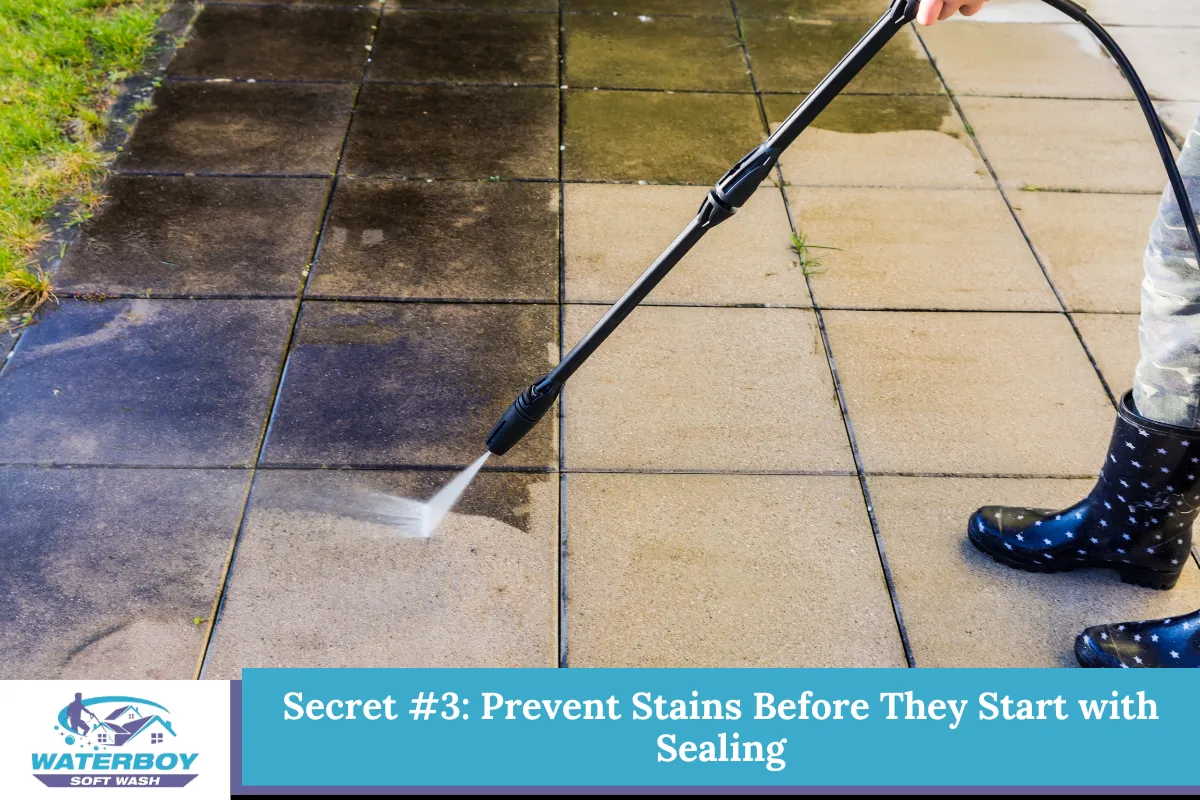
Sealing is one of the most powerful ways to protect your concrete surface from future stains.
Apply a high-quality penetrating sealer every 2–5 years to prevent oil, water, and debris from sinking into the porous surface.
Sealing is the most critical defense against winter salt and moisture, preventing water from infiltrating pores where it can freeze and cause cracking.
Benefits of Sealing
- Reduces stain absorption
- Protects against UV damage
- Extends lifespan of concrete
- Improves curb appeal
Apply a high-quality concrete sealer every 1-3 years to protect against moisture, stains, and UV damage.
Secret #4: Maintain a Consistent Cleaning Routine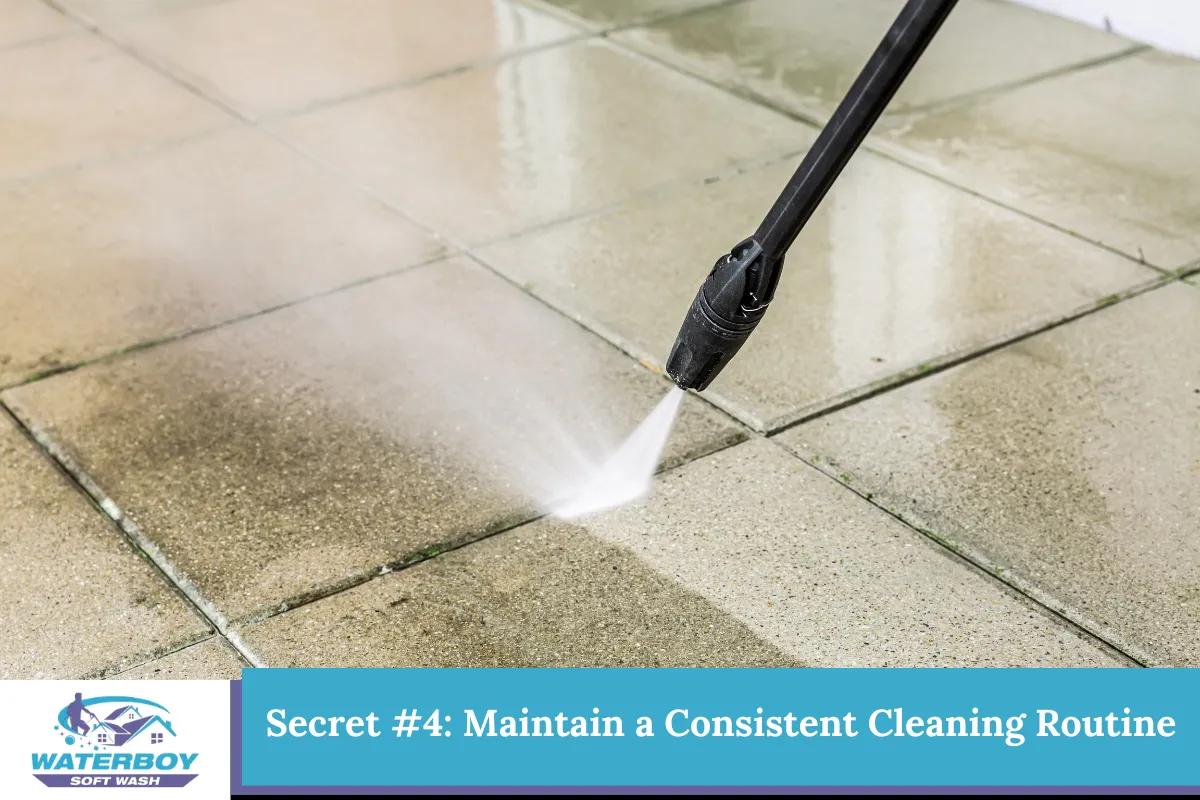
Regular upkeep is essential for long-term results. Waiting too long between cleanings allows dirt and stains to settle deeper into the concrete.
Regular cleaning of concrete surfaces, at least once a year, helps prevent dirt and grime buildup, maintaining the overall appearance and safety of the area.
Weekly and Seasonal Maintenance Tips
- Sweep or use a leaf blower weekly to remove debris, which can break down and create dark stains when wet
- Trim trees and bushes back to reduce sap and leaf stains
- Schedule thorough cleanings in the Spring to remove winter salt residues and in the Fall to clear leaves before they leave tannin stains
Choosing the right time of year for cleaning concrete, such as in spring or early summer, can enhance results by removing winter debris and preventing damage from salt.
To maintain clean concrete between washes, regular upkeep such as sweeping and spot cleaning can significantly reduce the need for deep cleaning sessions.
Secret #5: Act Fast on Spills and Problem Areas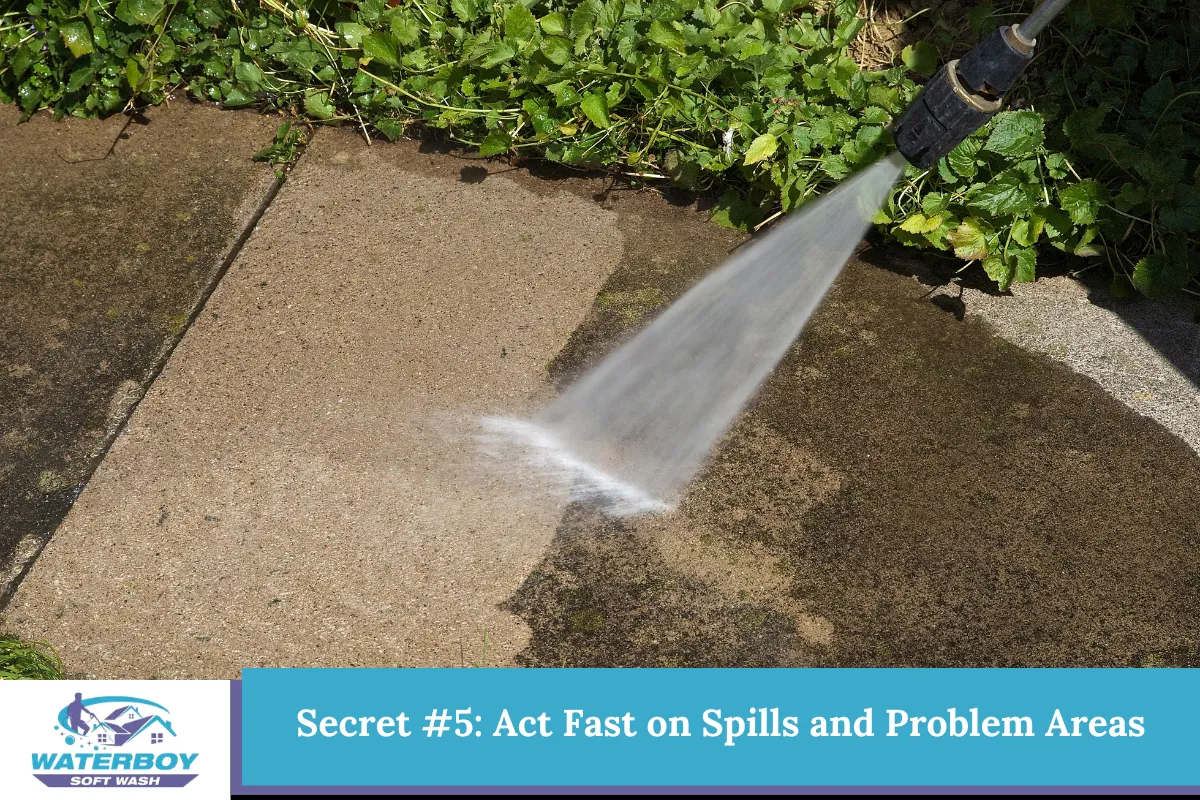
Quick action is key when dealing with stains. The longer a spill sits, the deeper it penetrates the concrete.
Promptly clean up oil, grease, fertilizer, and food spills to prevent them from soaking into the porous surface.
Liquid spills like oil or grease should be treated immediately with absorbent materials like baking soda or cat litter before scrubbing with a degreaser.
Spot Cleaning Strategy
- Use a spray bottle for targeted cleaning
- Scrub with a stiff brush
- Rinse with clean water
Use rubber or felt pads under outdoor furniture to prevent scratches and rust marks on the concrete.
Patch small cracks before the first frost to prevent water from expanding inside them and widening the damage.
Advanced Techniques for Long-Term Protection
Soft Washing for Delicate Surfaces
Soft washing is ideal for areas that require a gentler approach. It uses low pressure combined with specialized cleaning solutions to remove mold, mildew, and stains without damaging the surface.
Deep Cleaning for High-Traffic Areas
For seasonal deep cleans, use a pressure washer (1,500–3,000 PSI) or a stiff-bristle nylon brush with a pH-neutral cleaner.
For effective concrete cleaning, a pressure washer with a PSI between 2,500 and 3,000 is recommended to clean efficiently without damaging the surface.
Keep Your Concrete Looking New Year After Year
Maintaining concrete doesn’t have to be complicated. By combining pressure cleaning concrete with proper maintenance and sealing, you can prevent most stains before they occur.
Regular cleaning of concrete surfaces is recommended at least once a year to prevent dirt and grime buildup, which can lead to lasting damage and costly repairs.
The key is consistency, using the right equipment, and acting quickly when issues arise. These professional secrets ensure your concrete stays clean, safe, and visually appealing for years.
Concrete Cleaning in Chester County, PA – Water Boy Soft Wash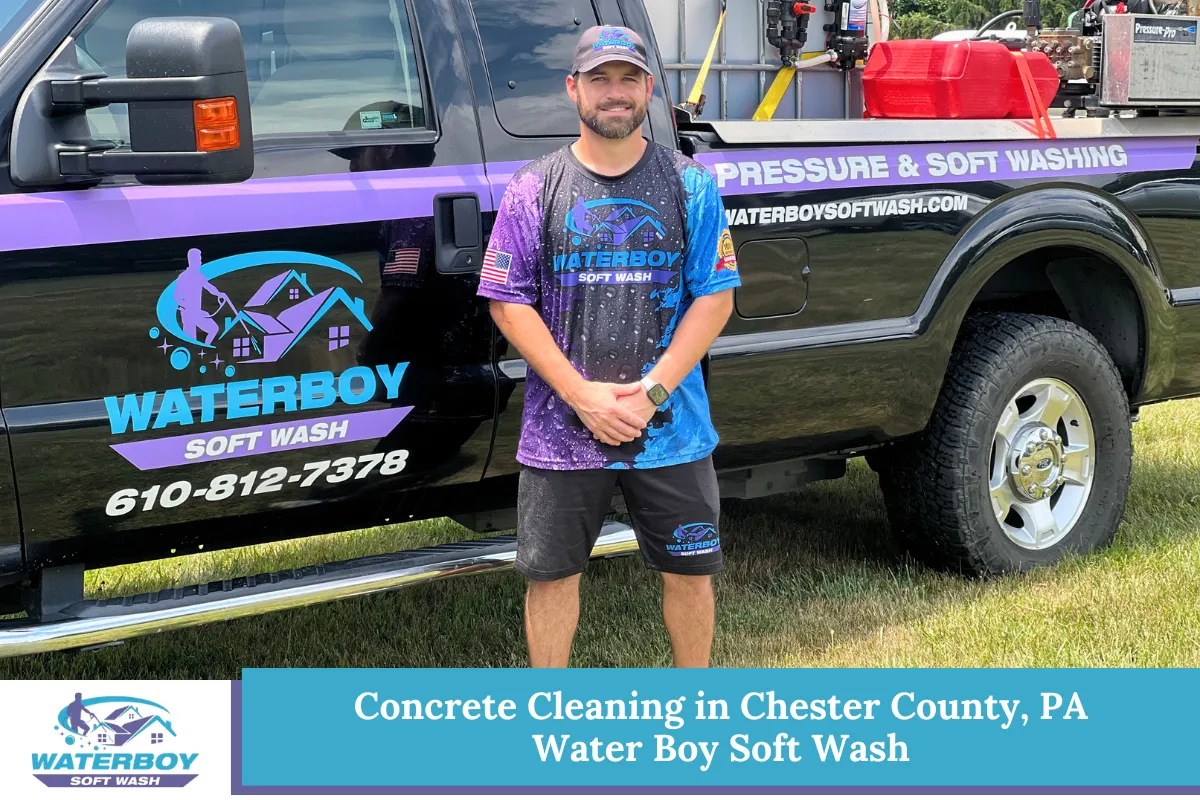
We provide professional concrete cleaning services designed to keep your surfaces spotless and protected year-round. At Water Boy Soft Wash, we use advanced pressure washing concrete techniques along with safe soft washing methods to remove stubborn stains, oil buildup, and deep-set grime.
Our team understands the unique needs of properties in Chester County, Pennsylvania, and we tailor every cleaning process to deliver long-lasting results. Whether you need residential concrete cleaning for your driveway, patios, or walkways, we have the right equipment and expertise to handle it.
Call us today at (610) 812-7378 or fill out our contact form to schedule your service. We’re ready to restore your concrete and protect it from future stains.
Frequently Asked Questions
How often should I schedule professional concrete cleaning?
Concrete surfaces benefit from professional cleaning at least once a year. However, high-traffic areas like driveways and sidewalks may require more frequent service. Environmental factors such as weather, tree coverage, and usage also play a role. Regular maintenance prevents buildup and extends the life of your concrete. Professional services also help identify early signs of damage that homeowners might miss.
Is soft washing better than pressure washing concrete?
Soft washing is ideal for delicate surfaces or areas prone to damage, while pressure washing concrete is better for removing tough stains and embedded dirt. The best method depends on the condition of your surface. Professionals often combine both techniques to achieve optimal results without causing harm to the concrete.
Can concrete cleaning remove old oil stains completely?
Older oil stains can be challenging but not impossible to remove. Specialized degreasers and repeated treatments may be required. While some deep stains may leave slight discoloration, professional concrete cleaning can significantly improve the appearance and prevent further damage.
What is the biggest mistake homeowners make when cleaning concrete?
The most common mistake is using too much pressure or the wrong cleaning products. High pressure can cause surface damage, while harsh chemicals may discolor or weaken the concrete. Proper technique and product selection are essential for safe and effective cleaning.
Does sealing concrete really make a difference?
Yes, sealing is one of the most effective ways to protect concrete. It prevents moisture, oil, and debris from penetrating the surface. Sealing also reduces maintenance needs and helps preserve the appearance of your concrete for years. It’s a worthwhile investment for long-term durability.
Disclaimer: This article is for informational purposes only. Always follow local regulations and manufacturer guidelines when performing concrete cleaning or using equipment and cleaning solutions.
Read Can Professional Concrete Cleaning Remove Algae? A Chester County Guide