

Why Streaks Keep Ruining Your Exterior—and How to Fix It Fast
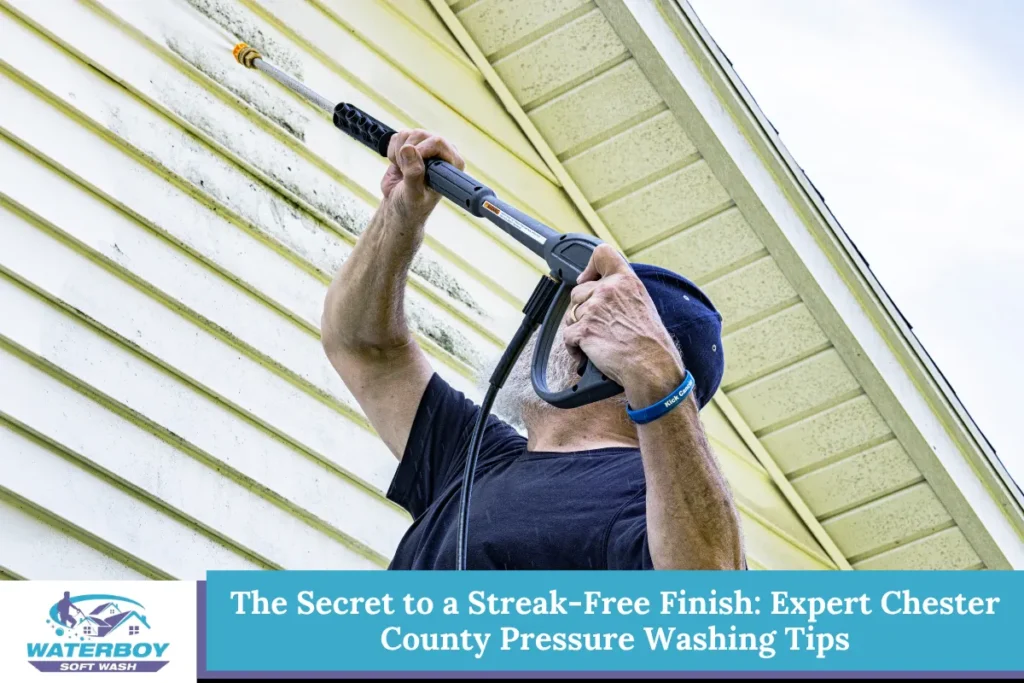
Chester County Pressure Washing is one of the most effective ways to restore curb appeal, yet many homeowners end up frustrated with streaks, uneven finishes, and lingering grime. You invest time, effort, and sometimes money into a pressure washer, only to see disappointing results that make surfaces look worse instead of better. These streaks don’t just affect appearance—they can signal improper technique that may damage siding, concrete, or wood. The good news is that achieving a flawless, streak-free finish isn’t complicated once you understand the right methods. With expert pressure cleaning strategies, proper equipment use, and smart timing, you can transform your exterior surfaces and get professional-level results every time.
The Science Behind a Streak-Free Finish
A streak-free surface isn’t just about spraying water evenly. It involves understanding how water pressure, cleaning agents, and surface materials interact.
How Water Pressure Impacts Results
Using a pressure washer incorrectly is one of the biggest causes of streaking. High pressure may seem effective, but it can:
- Push dirt deeper into porous surfaces
- Leave visible lines where passes overlap
- Strip protective coatings or paint
Lower pressure, combined with proper technique, ensures even cleaning without damaging the surface.
The Role of Detergents in Pressure Cleaning
Water alone rarely delivers a spotless finish. Professional-grade detergents break down:
- Mold and mildew
- Organic stains
- Dirt buildup
Allowing cleaning solutions to dwell briefly before rinsing ensures a uniform result without streaking.
Choosing the Right Method: Pressure Washing vs. Soft Washing
Not all surfaces should be cleaned the same way. Knowing when to use pressure washing versus soft washing makes a major difference.
When Pressure Washing Works Best
Pressure washing is ideal for:
- Concrete driveways
- Brick surfaces
- Stone patios
These materials can withstand higher pressure levels and benefit from deep cleaning.
Why Soft Washing Is Essential for Delicate Surfaces
Soft washing uses low pressure combined with specialized cleaning solutions. It’s recommended for:
- Vinyl siding
- Roof shingles
- Painted surfaces
This method prevents streaks caused by pressure damage and ensures a more even finish.
Mastering the Technique: How Professionals Avoid Streaks
Maintain Consistent Motion
Stopping mid-spray or changing direction abruptly creates visible lines. Professionals:
- Use smooth, overlapping strokes
- Keep a steady pace
- Work in controlled sections
Keep the Correct Distance
Holding the nozzle too close can cause uneven cleaning. Too far, and you lose effectiveness.
A general rule:
- 6–12 inches for tough surfaces
- 12–24 inches for softer materials
Work From Top to Bottom
Cleaning from the bottom up can cause dirty water to run over already cleaned areas, creating streaks.
Instead:
- Apply detergent from bottom to top (to avoid streaking from runoff)
- Rinse from top to bottom
Equipment Matters More Than You Think
Selecting the Right Nozzle
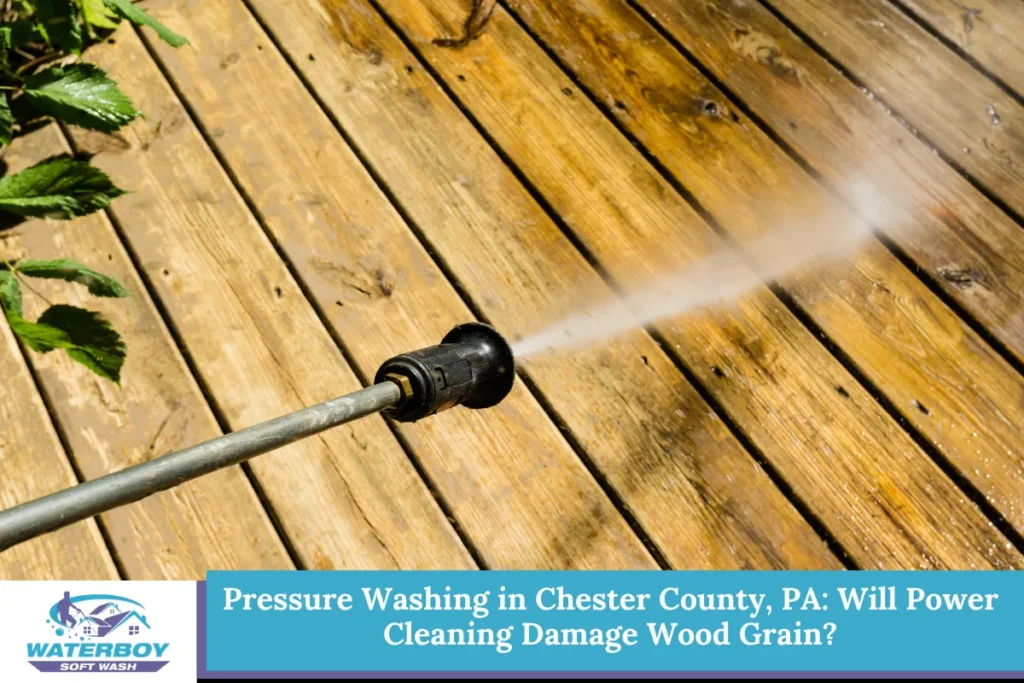
Different nozzles produce different spray patterns:
- 0° (red): Extremely concentrated, rarely needed
- 15° (yellow): Strong cleaning for concrete
- 25° (green): General cleaning
- 40° (white): Gentle rinsing
Using the wrong nozzle often leads to uneven results.
PSI and GPM: What You Need to Know
- PSI (pounds per square inch): Determines pressure strength
- GPM (gallons per minute): Controls water flow
A balanced combination ensures efficient cleaning without streaking.
Common Mistakes That Lead to Streaking
Skipping Surface Preparation
Failing to remove loose debris before pressure washing can spread dirt instead of removing it.
Using Too Much Pressure
Higher pressure doesn’t mean better results. It often causes:
- Surface etching
- Water marks
- Uneven cleaning patterns
Ignoring Weather Conditions
Hot, sunny days can dry cleaning solutions too quickly, leaving streaks behind.
Best conditions:
- Mild temperatures
- Overcast skies
- Minimal wind
Read Chester County Pressure Washing: How to Clean Your Home Without Stripping Paint
House Washing Techniques That Deliver Professional Results
Start With a Pre-Treatment
Applying a cleaning solution before rinsing helps loosen grime and prevents streaking.
Use Soft Washing for Siding
Traditional power washing can damage siding. Soft washing:
- Eliminates algae and mold
- Prevents water intrusion
- Provides a longer-lasting clean
Rinse Thoroughly
Incomplete rinsing leaves residue, which dries into visible streaks. Always ensure:
- Even coverage
- No soap residue
- Consistent water flow
Driveways, Patios, and Walkways: Getting Uniform Results
Use a Surface Cleaner Attachment
Surface cleaners distribute water evenly, reducing streaking on flat surfaces like concrete.
Clean in Sections
Divide large areas into manageable sections to maintain consistency.
Overlap Each Pass
Slightly overlapping each pass ensures no missed spots or visible lines.
Environmental Considerations in Chester County
Local regulations and environmental practices matter when pressure cleaning.
Responsible Water Use
Chester County encourages responsible water management. Avoid excessive runoff and ensure proper drainage.
Safe Chemical Handling
When using detergents:
- Avoid runoff into storm drains
- Use biodegradable cleaning solutions
- Follow local environmental guidelines
Protecting Landscaping
Pre-wet plants and cover delicate landscaping to prevent damage from cleaning solutions.
Seasonal Timing for the Best Results
Spring Cleaning Advantages
- Removes winter grime
- Prepares surfaces for outdoor use
Summer Considerations
- Avoid midday heat
- Work early morning or late afternoon
Fall Maintenance
- Removes organic buildup
- Prevents mold growth during winter
When DIY Isn’t Enough
Even with the right knowledge, some jobs require professional expertise.
Signs You Should Hire a Professional
- Persistent stains
- Large surface areas
- Delicate materials like roofs
Professionals use advanced pressure cleaning systems and techniques that ensure a streak-free finish without risk of damage.
Long-Term Maintenance Tips for a Lasting Clean
Regular Cleaning Schedule
- House washing: once a year
- Driveways: every 6–12 months
Preventative Measures
- Trim vegetation near surfaces
- Keep gutters clean
- Address mold growth early
Final Thoughts on Achieving a Flawless Exterior Finish
Achieving a streak-free finish with pressure washing comes down to technique, timing, and using the right method for each surface. Whether you’re handling house washing, driveway cleaning, or delicate siding, understanding the balance between pressure and precision is key. By avoiding common mistakes and following proven strategies, you can maintain a clean, polished exterior year-round. When in doubt, professional services offer the expertise needed to deliver consistent, high-quality results.
Chester County Pressure Washing – Water Boy Soft Wash
We take pride in delivering reliable pressure washing services that homeowners in Chester County can trust. At Water Boy Soft Wash, we combine advanced pressure cleaning techniques with proven soft washing methods to ensure every surface is cleaned safely and effectively. Whether you need house washing, driveway cleaning, or a full exterior refresh, our team focuses on achieving a streak-free finish every time. We use professional-grade equipment and eco-conscious solutions that protect your property and landscaping. Call us at (610) 812-7378 or fill out our contact form today to schedule your pressure washing service and experience the difference our expertise makes.
Frequently Asked Questions
How often should I schedule pressure washing for my home?
The frequency depends on your environment and surface exposure. Homes surrounded by trees or in humid areas may need pressure washing more often due to mold and algae growth. In most cases, an annual cleaning is sufficient to maintain appearance and prevent buildup. However, driveways and walkways may require cleaning every six to twelve months due to heavy use. Regular maintenance helps extend the life of your exterior surfaces and reduces the need for more aggressive cleaning methods later.
Is pressure washing safe for older homes?
Older homes require careful handling during pressure cleaning. High pressure can damage aged wood, fragile siding, or worn paint. Soft washing is often a safer alternative for these structures, as it uses low pressure and specialized cleaning solutions. Before starting, it’s important to inspect surfaces for cracks or deterioration. When done correctly, cleaning can restore the home’s appearance without causing harm. Consulting professionals ensures the right method is used based on the condition of the materials.
Can pressure washing increase property value?
Yes, pressure washing can significantly improve curb appeal, which plays a major role in property value. Clean siding, driveways, and walkways create a strong first impression for potential buyers. Removing stains, mold, and dirt makes a property look well-maintained and more attractive. While it may not directly increase appraisal value, it enhances marketability and can help properties sell faster. It’s a cost-effective way to boost the overall appearance of your home before listing it.
What surfaces should never be pressure washed?
Certain materials are too delicate for traditional pressure washing. These include asphalt shingles, older wood siding, painted surfaces, and some types of stucco. High pressure can cause cracking, water intrusion, or stripping of protective coatings. Soft washing is the preferred method for these surfaces, as it cleans effectively without damage. Understanding the limitations of each method is essential to avoid costly repairs and maintain the integrity of your home’s exterior.
Does pressure washing help with allergens around the home?
Pressure washing can reduce allergens by removing mold, mildew, pollen, and dust from exterior surfaces. These substances often accumulate on siding, decks, and patios, contributing to poor air quality around the home. Regular cleaning helps minimize these irritants, creating a healthier outdoor environment. While it doesn’t eliminate allergens entirely, it significantly reduces their presence and improves overall cleanliness. Combining exterior cleaning with proper landscaping maintenance enhances these benefits.
Disclaimer: This article is for informational purposes only and does not replace professional advice. Always follow local regulations and safety guidelines when performing pressure washing or soft washing to prevent property damage or environmental harm.
Read Is Soft Washing Suitable for Older Properties in Chester County, PA?