


Choosing the Right Approach to Home Maintenance in Downingtown
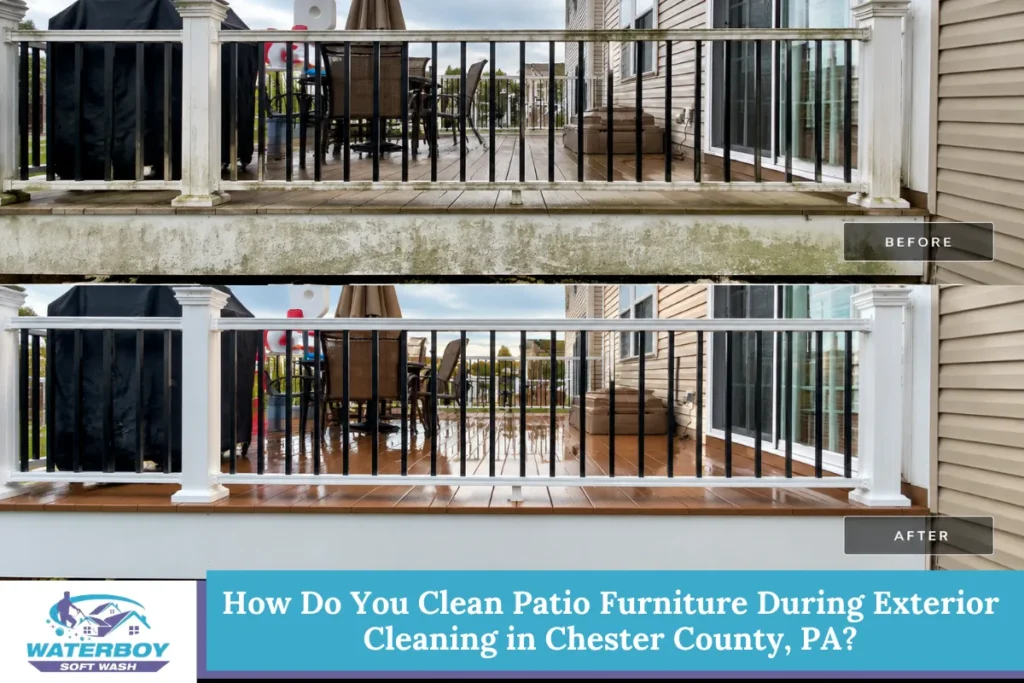
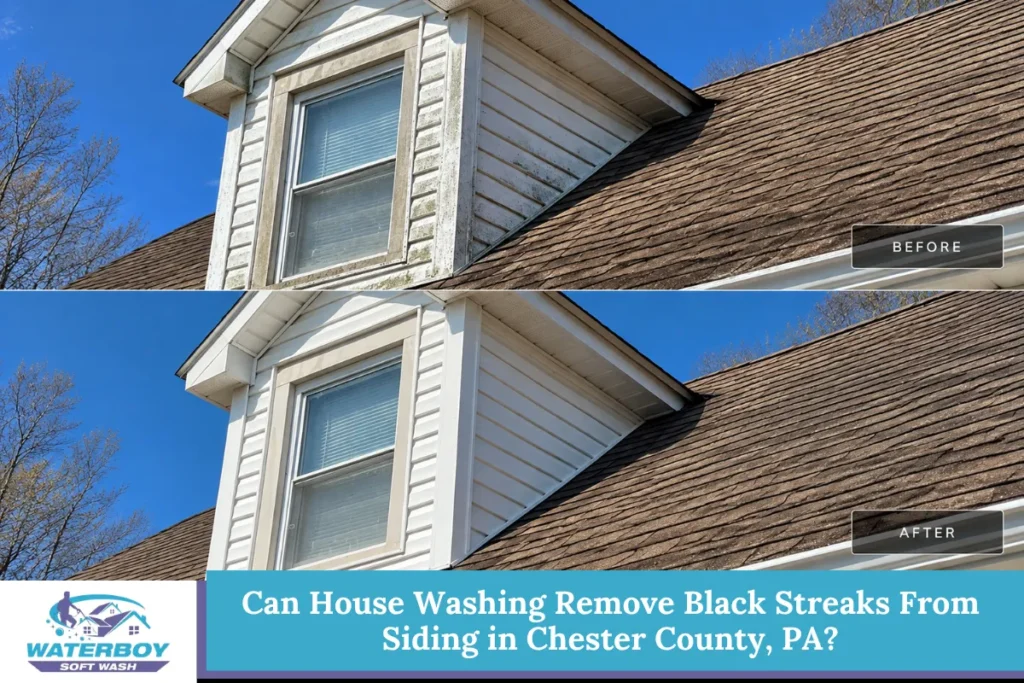
A clean and well-maintained property adds more than just visual appeal—it also extends the life of your exterior surfaces. In the middle of a homeowner’s routine upkeep, exterior cleaning often becomes a central concern. This type of cleaning helps remove built-up dirt, algae, mildew, and pollutants that naturally accumulate on outdoor surfaces over time. While some people take on the job themselves, others prefer hiring professionals who specialize in this task.
In Downingtown, Pennsylvania, deciding between professional and DIY exterior cleaning isn’t just about preference—it’s influenced by climate, property type, cleaning goals, and even safety. The local environment, with its mix of seasonal weather, humidity, and shaded tree-lined properties, can make exterior surfaces vulnerable to persistent grime and biological growth. Choosing the right method can make a significant difference in how long your home stays clean and how well its exterior holds up over the years.
Understanding Exterior Cleaning: Meaning and Scope
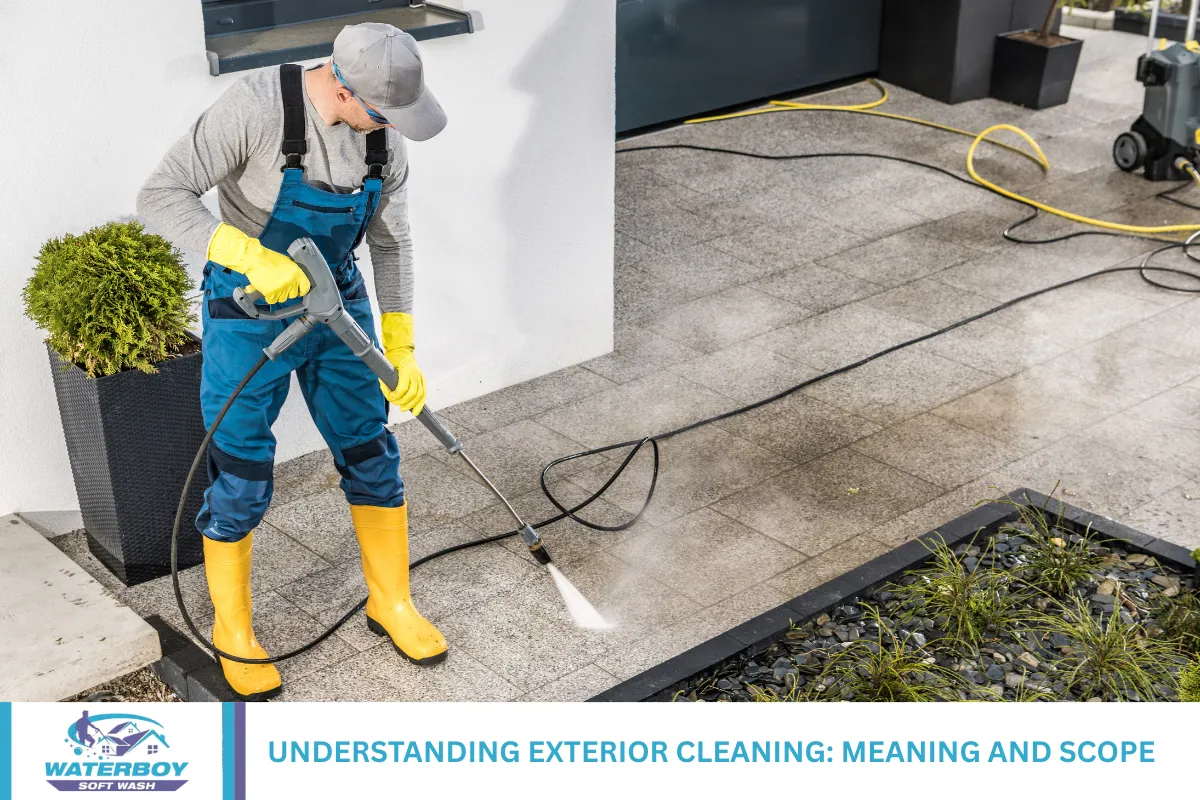
Exterior cleaning refers to the process of washing, sanitizing, or restoring the outer surfaces of a residential or commercial property. It involves different types of treatments, depending on the material and location being cleaned. The main goal is to remove contaminants like dirt, algae, moss, mildew, mold, spider webs, and general grime that can accumulate due to weather and environmental exposure.
The surfaces typically targeted include house siding (such as vinyl, brick, or stucco), roofs (including asphalt shingles or metal panels), decks, patios, walkways, windows, and gutters. Methods vary based on surface type, with options ranging from soft washing for delicate materials to high-pressure power washing for tougher surfaces like concrete.
In a place like Downingtown, where rainfall, humidity, and seasonal debris are common, exterior cleaning plays a vital role in preserving the value and integrity of homes.
Why Exterior Cleaning Is Essential in Downingtown, PA
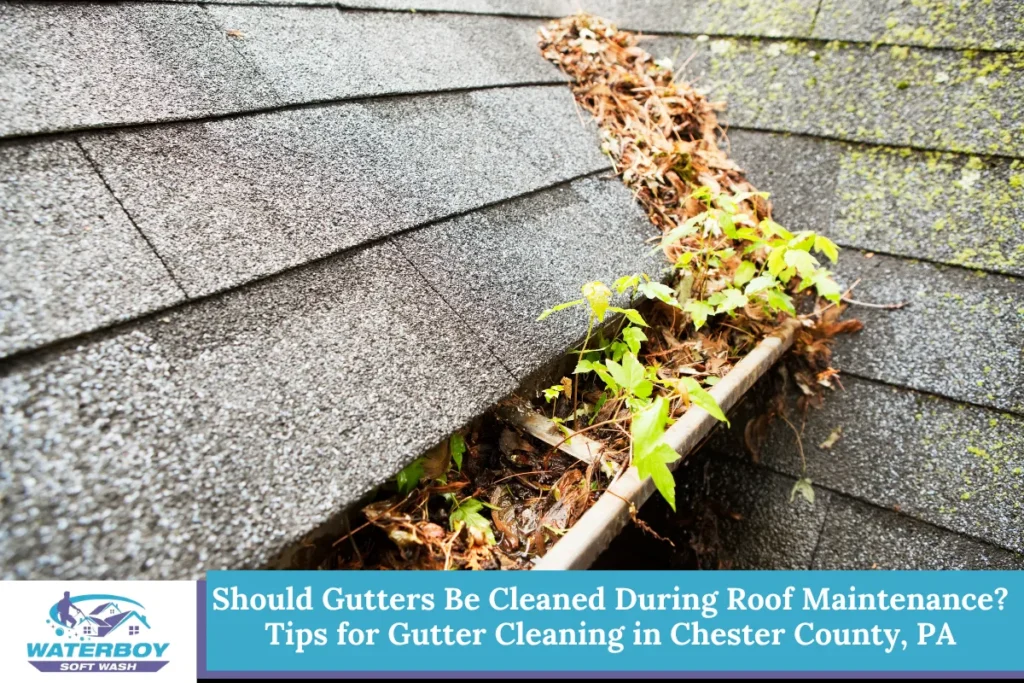
The climate in Downingtown contributes significantly to the need for routine exterior maintenance. Damp, humid summers can lead to the rapid spread of algae and mold on shaded areas of siding and roofing. In the fall, decaying leaves and organic debris often clog gutters and gather around the foundation. Snow and ice buildup during winter may cause slow deterioration of exterior surfaces due to thawing and refreezing.
This combination of environmental challenges makes it necessary for homeowners to schedule regular exterior cleaning at least once or twice per year. Not only does it help keep homes visually appealing, but it also protects building materials from premature aging and damage caused by trapped moisture or organic growth.
Ignoring this maintenance step could eventually result in costly repairs, such as replacing rotted wood, repainting faded siding, or fixing clogged gutters that lead to water intrusion.
What to Expect from Professional Exterior Cleaning Services
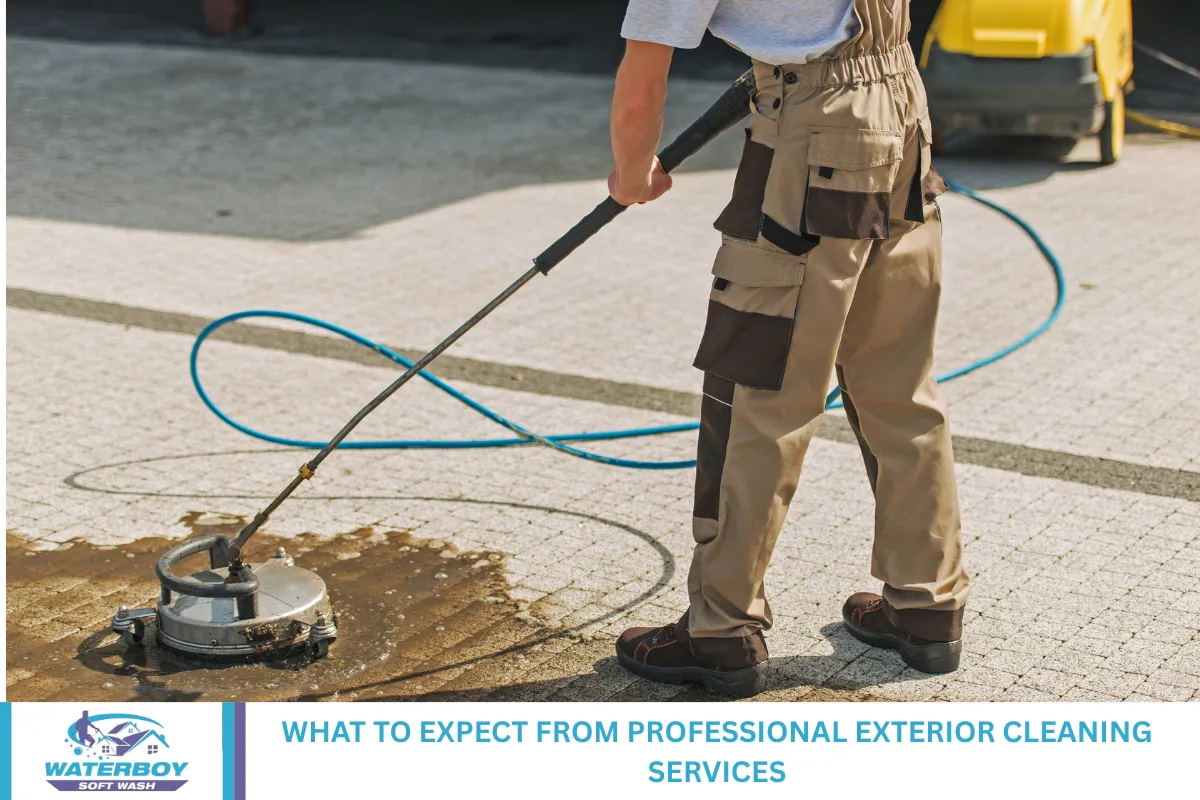
Professional exterior cleaning services use industry-grade tools, specialized solutions, and safe practices to ensure homes are cleaned efficiently and thoroughly. The most common methods used include soft washing and power washing, each suited for different materials and conditions.
Soft washing involves using low water pressure combined with eco-friendly cleaning agents that break down organic buildup. This is particularly effective for cleaning siding, roofing, and other surfaces that forceful water streams could damage. The solution used in soft washing doesn’t just clean—it also disinfects and inhibits the return of mold, mildew, and algae.
Power washing, on the other hand, uses high-pressure water to remove stains, grease, and tough dirt from hard surfaces like driveways, patios, brickwork, and concrete walkways. Professionals know how to adjust pressure levels to suit each surface, minimizing the risk of damage.
In Downingtown, professional cleaners are familiar with the types of stains and environmental effects common in the area. This local knowledge enables them to apply the most suitable techniques and products to maintain both the cleanliness and safety of your property.
DIY Exterior Cleaning: Equipment, Method, and Realities
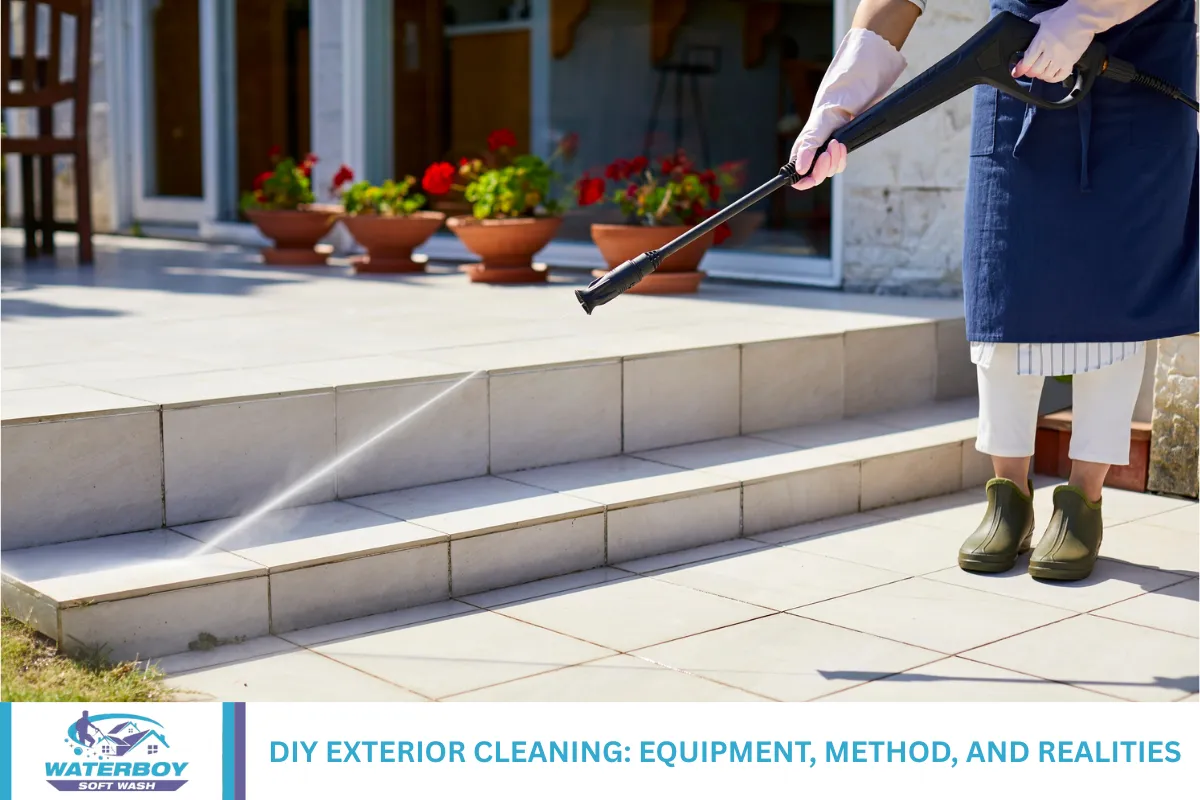
Tackling exterior cleaning on your own is certainly possible, especially for smaller homes or basic maintenance tasks. The do-it-yourself route usually involves a combination of hardware-store-grade pressure washers, long-handled brushes, garden hoses, and over-the-counter cleaning products.
Basic equipment for DIY projects may include:
- Pressure washer (rented or purchased)
- Extension wand for high areas
- Cleaning solutions formulated for outdoor surfaces
- Buckets, brushes, or scrub pads
- Personal protective equipment, like gloves and eye protection
While this approach can work for driveways, patios, and even some siding jobs, there are limitations. The average homeowner may not be equipped with the knowledge to select the correct pressure level or cleaning solution for different surfaces. Using too much pressure, for instance, can strip paint or dislodge roof shingles, leading to unintended damage.
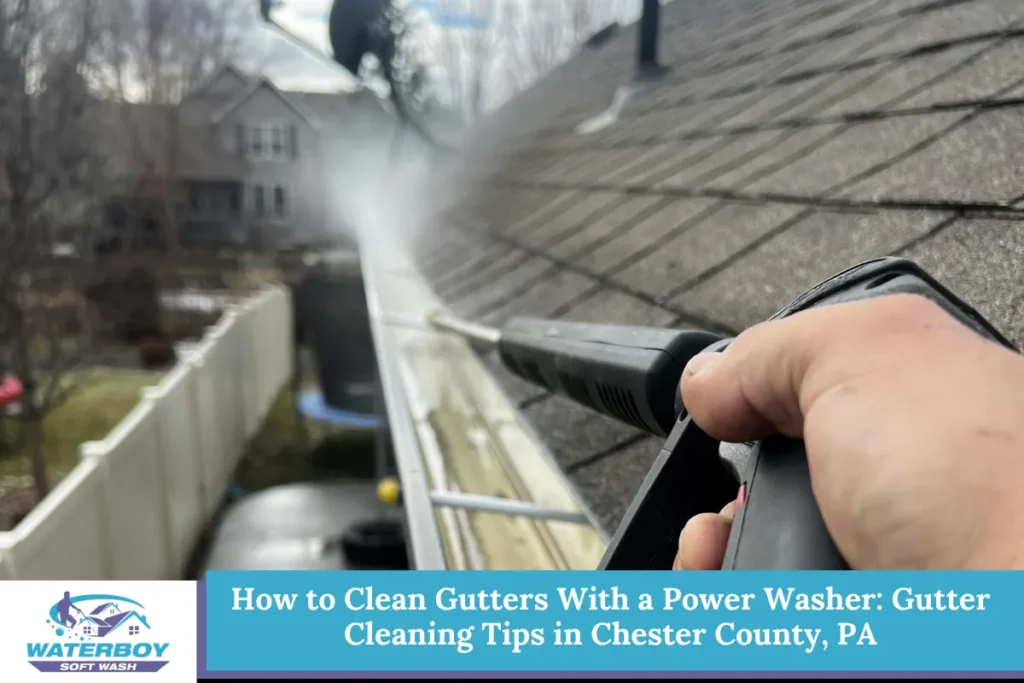
Additionally, reaching second-story windows, roofs, or clogged gutters often requires climbing ladders or working on slippery surfaces—posing safety risks that many homeowners may not be prepared for.
Time is another factor. A job that might take a professional two hours could take a homeowner all weekend, especially if the equipment isn’t performing as well as commercial-grade machinery.
The True Costs of DIY vs. Professional Cleaning
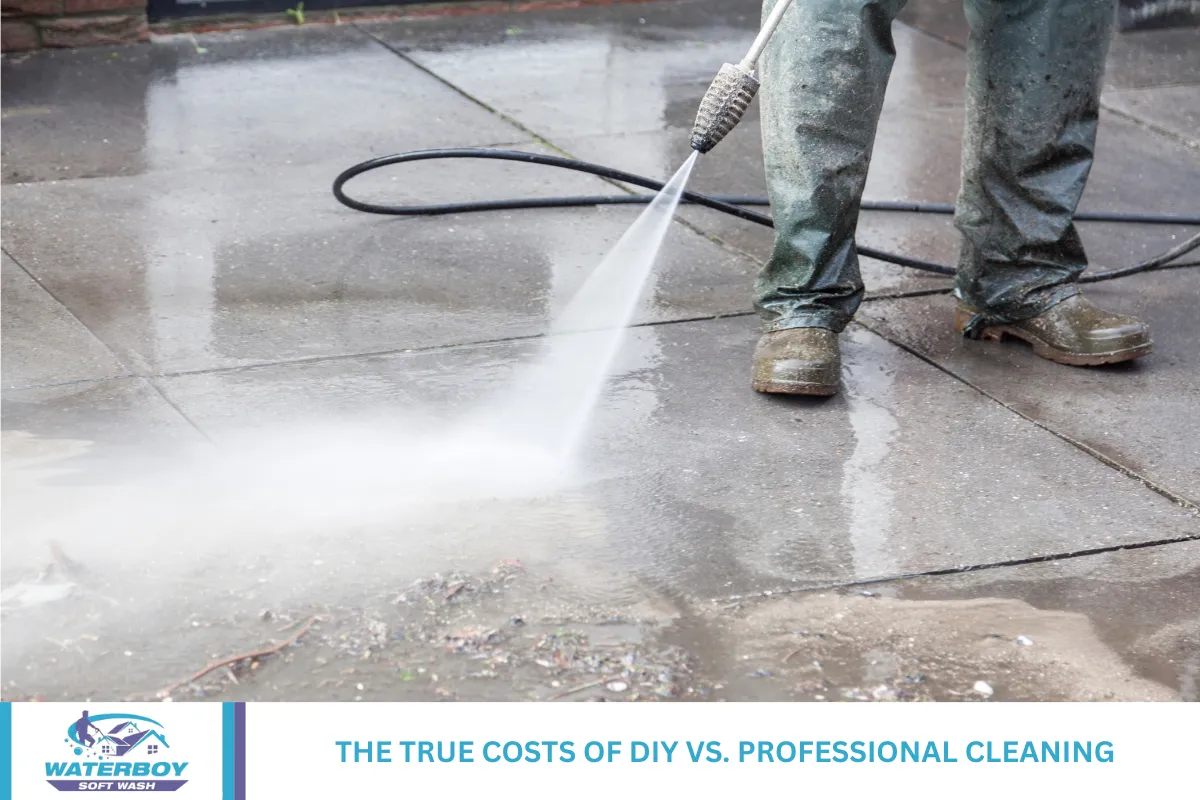
At first glance, the DIY option might seem more affordable. Renting a pressure washer in Downingtown costs around $50–$75 per day, and cleaning products typically add another $25–$50. For homeowners who already have a ladder and tools, the expenses stay manageable.
However, those savings can quickly disappear if a mistake leads to damaged siding or roof tiles. Repainting, fixing water damage, or replacing cracked panels could cost hundreds or even thousands of dollars.
On the other hand, professional services offer both expertise and insurance coverage. Though the upfront cost might range from $300 to $700, depending on the project’s scope, many homeowners find the value worthwhile. Cleanings are done faster, more thoroughly, and with materials designed to extend cleanliness for months.
In Downingtown, where homes are subject to varied seasonal wear, professional exterior cleaning often provides a longer-lasting result, reducing the frequency of needed treatments over time.
Safety Considerations That Shouldn’t Be Overlooked
Exterior cleaning involves more than just water and soap. Climbing ladders, handling pressurized equipment, and working with chemical solutions all involve potential hazards.
Many roofs in Downingtown are steep, and siding on multi-story homes can be hard to reach. Slipping while trying to clean an algae-coated walkway or attempting to balance a power washer on a ladder can result in serious injuries. Moreover, incorrect chemical mixing or splashing could lead to burns or eye damage.
Professional cleaners are trained in safety protocols. They use harnesses, non-slip footwear, and the correct tools to complete jobs efficiently and safely. Insurance coverage also offers peace of mind, ensuring that if an accident happens, homeowners aren’t left with unexpected liabilities.
Choosing a professional service often eliminates these safety risks, making it the smarter choice for large or complex properties.
Results That Last: Which Method Provides More Durability?
One of the most important differences between DIY and professional exterior cleaning is the quality and longevity of the results. DIY methods might improve the look of your home temporarily, but without the use of disinfectants or surface protectants, mold and algae can return quickly.
Professional cleaners in Downingtown typically apply special solutions that not only clean but also inhibit future growth. This means your siding stays bright and your driveway remains stain-free for much longer.
In humid areas or homes with lots of shade, these solutions can make a visible difference for several months. By contrast, water-only or soap-based DIY washes often fail to kill the root causes of discoloration, allowing them to resurface after just a few rainy weeks.
Determining the Best Option for Your Home
Making the right choice between DIY and professional services depends on a few important factors. Homeowners should consider the size and complexity of their property, the severity of buildup, their own physical ability, available time, and budget.
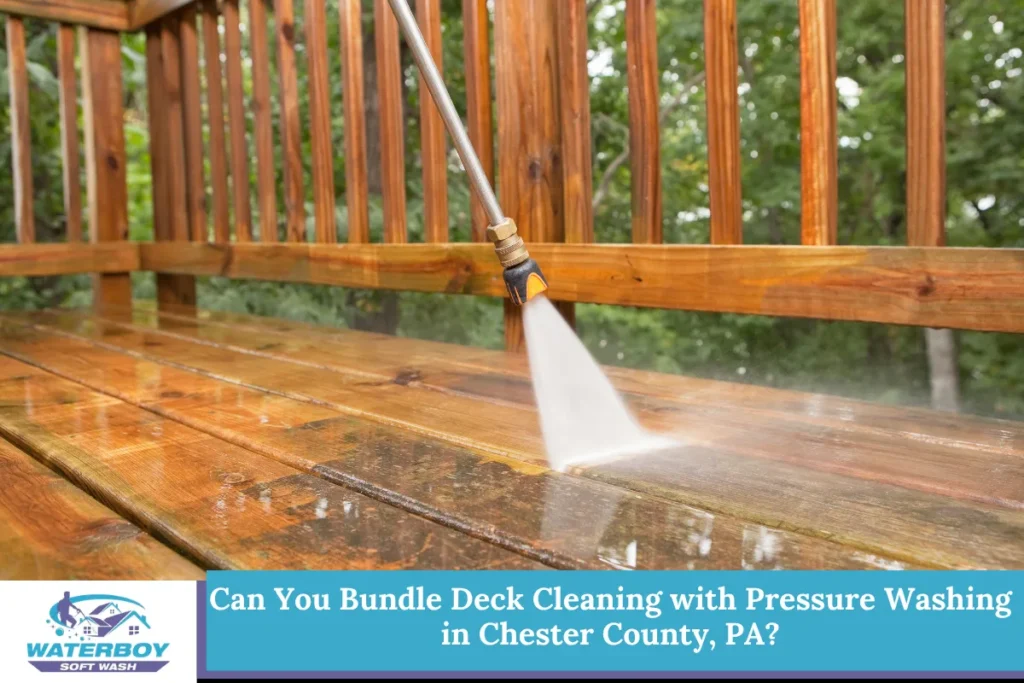
For simpler tasks like rinsing down a deck or cleaning a small concrete path, DIY can be a cost-effective option. However, for more extensive jobs such as roof cleaning, multi-story siding, or comprehensive seasonal prep, hiring professionals often delivers safer and longer-lasting results.
In the end, maintaining a clean and safe home exterior is a responsibility that requires consistency, care, and proper technique. Weighing all the aspects—from cost to safety to results—can help you make an informed decision.
Downingtown Exterior Cleaning – Water Boy Soft Wash
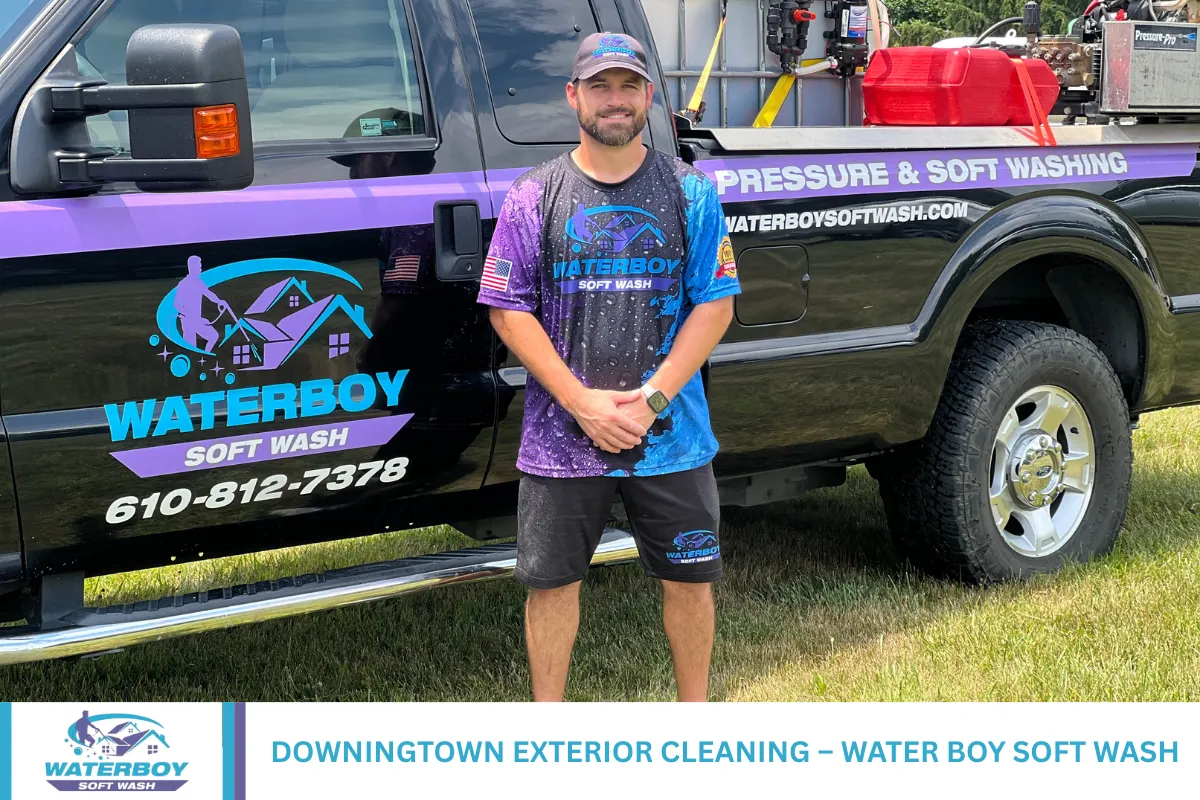
Looking for a trusted solution to keep your home’s exterior clean in Downingtown? Water Boy Soft Wash offers professional exterior cleaning services that safely remove dirt, mold, mildew, and algae without harming your property. Using modern soft washing methods and eco-friendly products, we clean siding, roofs, windows, gutters, walkways, and patios with care and attention to detail.
Our goal is to protect and refresh your home’s appearance while extending the life of its surfaces. Whether it’s a deep house wash or expert deck staining, we deliver results that make your property stand out. To schedule your cleaning or learn more about what we offer, call us today at (610) 812-7378!
Frequently Asked Questions About Exterior Cleaning and Pressure Washing
1. Why is pressure washing important for maintaining your home’s exterior?
Exterior cleaning plays a major role in preserving your home’s condition and value. Over time, surfaces like vinyl siding, brick, and concrete collect mold, mildew, algae, and dirt—especially in areas with high humidity or frequent rainfall. Without regular cleaning, these contaminants can cause permanent stains or structural wear.
Using a pressure washer helps remove these buildups with precision, keeping your home looking well-maintained and extending the lifespan of outdoor materials. Many homeowners use DIY pressure washing for minor cleanups, but it’s important to assess what kind of surface you’re cleaning and whether it’s safe for high-pressure water.
For more sensitive areas like shingles or painted wood, a soft wash method may be more appropriate. In these cases, professional pressure washing services are ideal because they use the right pressure washing equipment and specialized tools to avoid damage while delivering a deep cleaning.
Routine pressure washing also boosts curb appeal, making your property more attractive and market-ready
2. Is DIY pressure washing safe for all surfaces?
DIY cleaning using a pressure washer rental can be risky, especially if you’re unfamiliar with how to adjust the water pressure based on the surface. Materials like vinyl siding, shingles, and window seals can be easily damaged if cleaned with too much force.
Here are key safety tips:
- Use correct safety gear: gloves, goggles, boots.
- Test water pressure on a small area first.
- Avoid spraying upwards on roof cleaning tasks—this can drive water under shingles.
- Never use a high-pressure water stream on old or painted surfaces.
DIY window cleaning and deck washing may be manageable with basic cleaning supplies, but professional cleaning services are recommended for larger projects or elevated areas.
Trained experts have safety training, industry experience, and access to specialized tools. They also minimize the environmental impact by using precise techniques and eco-friendly products that limit water usage and prevent runoff into storm drains.
3. What’s the environmental impact of pressure washing?
The environmental impact of pressure washing largely depends on the method and chemicals used. High water usage and runoff containing detergents can harm nearby plants, soil, and water systems. One session with a pressure washer can consume 2–8 gallons of water per minute, depending on the equipment.
To reduce harm:
- Opt for eco-friendly cleaning supplies
- Use the soft wash method when appropriate
- Block the nearby drains during washing
- Reuse rinse water if possible
Professional pressure washers often follow best practices to reduce waste. Many use low-volume nozzles and biodegradable cleaners to protect the environment while delivering a thorough deep cleaning.
Some local regulations in Pennsylvania require proper wastewater management during pressure washing services, especially for roof cleaning, gutter cleaning, and driveways.
If you’re concerned about sustainability, hiring a certified professional pressure washing service ensures compliance with local laws and a minimal environmental footprint while still boosting your home’s curb appeal.
4. Is renting a pressure washer better than hiring a professional?
Pressure washer rental is a cost-effective option for DIY cleaning, but it’s not always the best route. Renting high-quality pressure washing equipment can cost $50–$100 per day. You’ll also need cleaning supplies, safety gear, and possibly specialized tools depending on your project.
Here’s a quick breakdown:
Pros of equipment rental:
- Lower upfront cost
- Flexible schedule
- Great for small, simple jobs
Cons:
- Risk of surface damage from improper use
- Lack of safety training
- No warranties or guarantees
- Inexperienced use may increase water usage and reduce efficiency
Professional cleaning services, on the other hand, provide skilled workers, insured work, and long-lasting results. They adjust water pressure, apply the right techniques, and use commercial-grade machines that are not easily available for rent.
For larger jobs like roof cleaning, professional window cleaning, or treating delicate surfaces like vinyl siding, hiring a professional pressure washer is usually safer and more effective.
5. How much does pressure washing affect my water bill?
The cost of water from pressure washing can vary depending on the size of the job and the type of machine used. On average, a pressure washer uses 2–4 gallons per minute (GPM). A 2-hour cleaning session could use 240–480 gallons of water, which may only slightly impact your monthly bill—roughly $1–$4 based on local rates in Downingtown, PA.
However, excessive water usage during multiple DIY cleaning attempts can add up, especially if done inefficiently. Improper pressure settings or lack of technique may cause you to spend more time (and water) trying to achieve the same result.
Read more: Common Exterior Cleaning Mistakes to Avoid in Downingtown, Pennsylvania