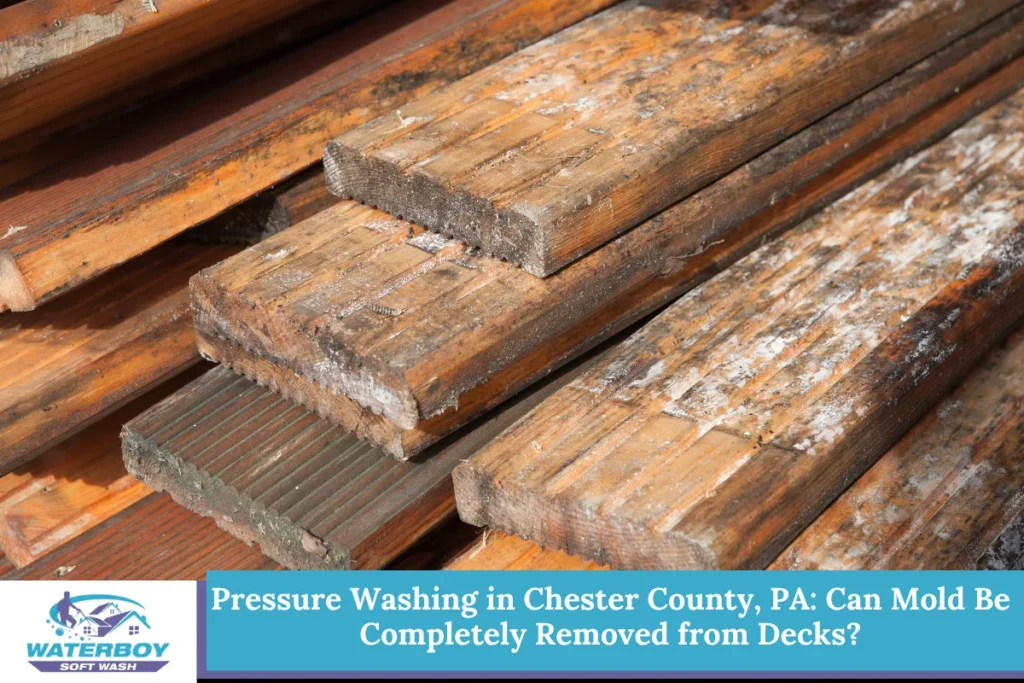

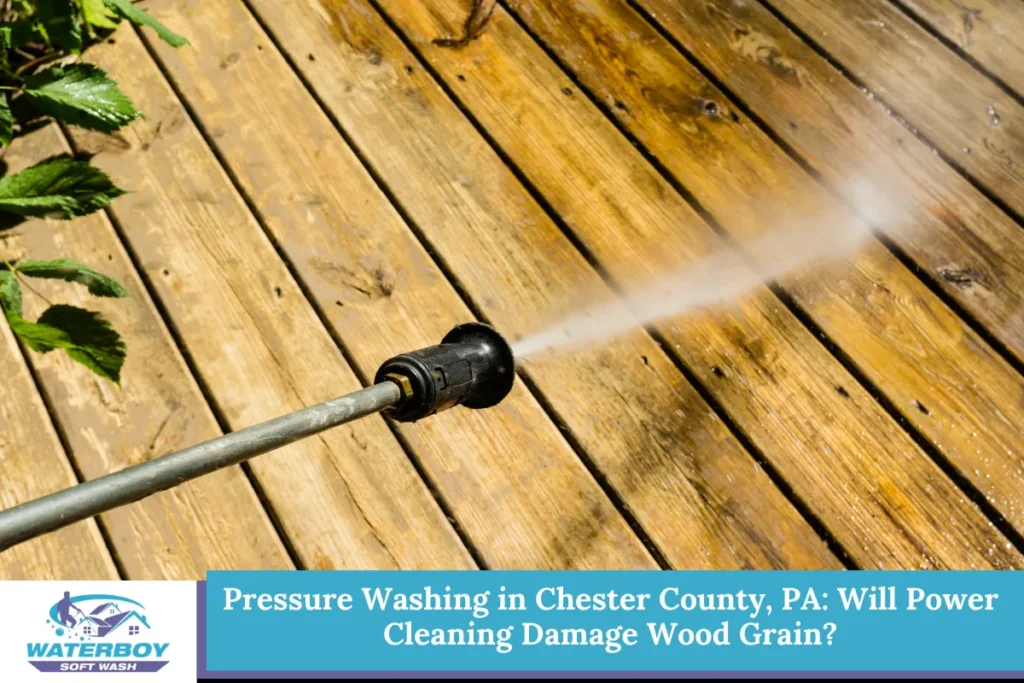

Does Pressure Washing in Chester County, PA Really Harm Wood Grain?
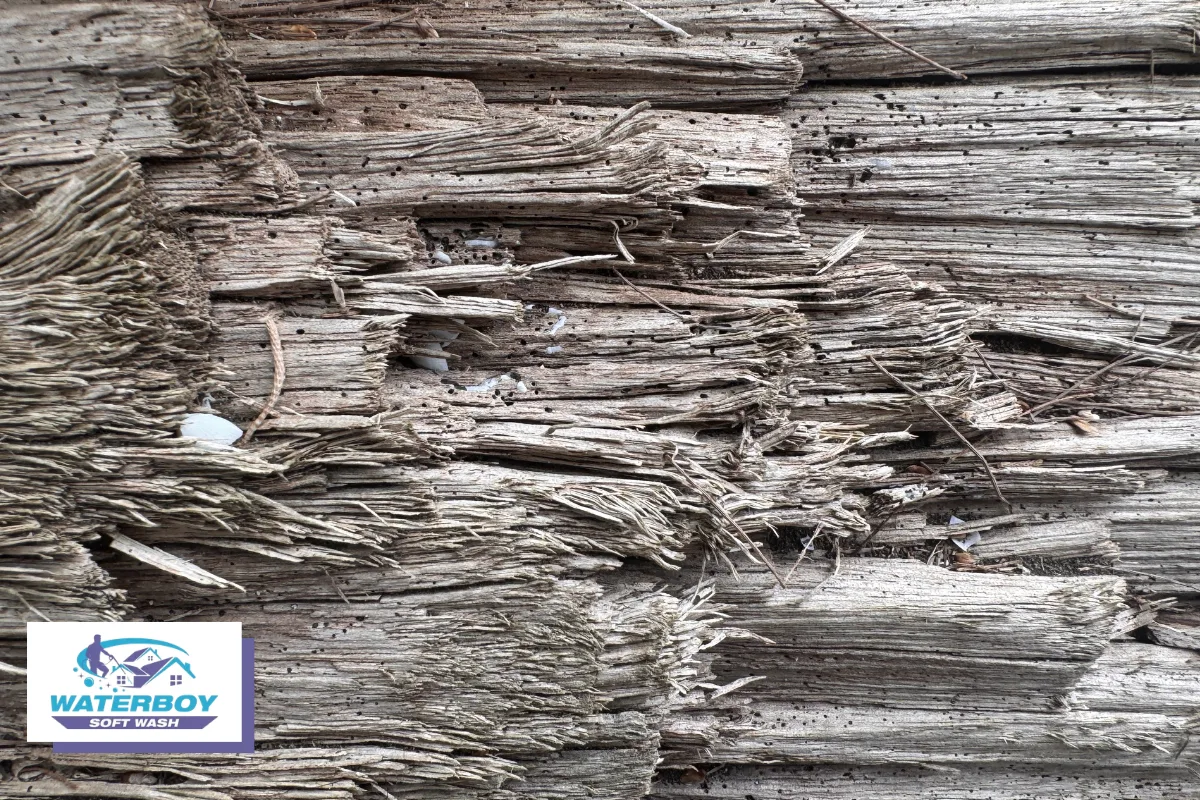
Pressure washing in Chester County, PA is one of the fastest ways to clean a dirty deck or weathered fence, but it comes with a real risk that many homeowners overlook. Boards that once felt smooth under bare feet can turn rough, splintery, and fuzzy after a single session with the wrong settings. That raised grain traps moisture, stain soaks unevenly, and within a season or two the wood starts cupping and cracking. Curb appeal drops, and repair costs climb. The answer to the core question is straightforward: yes, power cleaning can damage wood grain when high pressure and poor technique are involved, but it is safe when done with low pressure, wide nozzles, and proper cleaning solutions. This article walks through the mechanics of that damage, the warning signs to look for, and how to choose the right cleaning method for your home in Chester County.
Key Takeaways
- High-pressure water can permanently damage wood grain on decks, fences, and siding when the wrong PSI, nozzle, or technique is used.
- Soft washing and low-pressure methods paired with cleaning agents protect wood fibers while removing mold, algae, and grime common in Chester County's humid climate.
- Safe cleaning for wood should keep pressure below 1500 PSI, with wider fan nozzles and a minimum 12-inch standoff distance from the surface.
- Property owners in West Chester and surrounding communities should inspect their decks for raised grain, splintering, and wand marks before scheduling deck staining.
- When in doubt, request a free quote from a local professional who can assess your wood type and recommend the right approach.
How High Pressure Affects Wood Grain on Decks and Fences
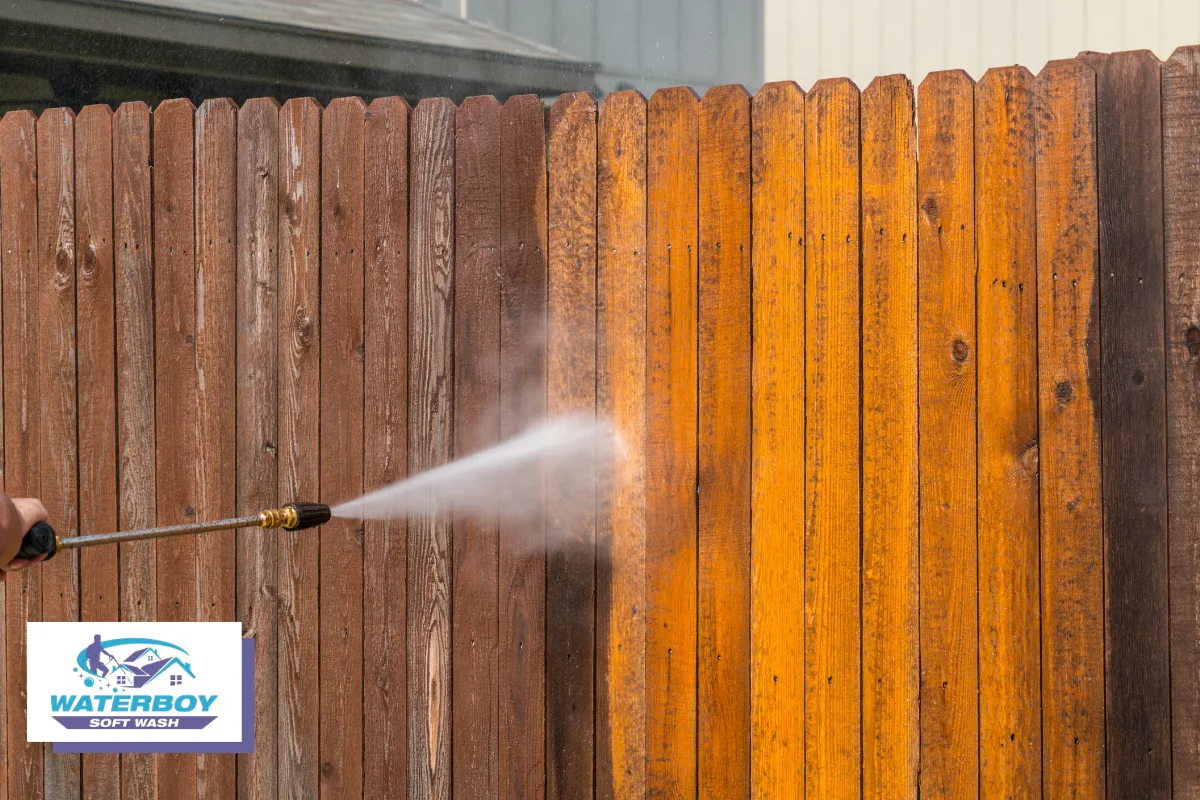
A pressure washer rated at 3,000 PSI or above is built for hard surfaces like concrete driveways, brick walkways, and stone patios. Turning that same machine on a pine or cedar deck is where problems start. High-pressure water can permanently damage wood grain by cutting into the longitudinal fibers that give lumber its structure. The stream acts like a blade; excessive pressure strips away softer wood fibers faster than harder fibers, leaving an uneven, furrowed surface that no amount of stain can fix.
Narrow high-pressure nozzles, particularly the 0-degree (red) and 15-degree (yellow) tips, concentrate the water stream into a pencil-thin jet. These nozzles can gouge and scar wood surfaces in seconds. High pressure can tear up wood fibers on softwoods like pine, cedar, and standard pressure-treated lumber because those species have a looser, less dense grain structure. Using too much pressure can shorten the life of deck boards by opening pathways for water to penetrate deeper into the wood.
Here is a general breakdown of PSI thresholds by material:
| Material | Safe PSI Range | Recommended Nozzle |
|---|---|---|
| Softwoods (pine, cedar, fir) | 500 to 1,200 | 40-degree white or 25-degree green |
| Pressure-treated lumber | 800 to 1,500 | 25-degree green with 12+ inch standoff |
| Hardwoods (ipe, mahogany) | Up to 1,500 to 2,000 | 25-degree green; steady movement |
| Concrete, brick, stone | 2,500 to 3,000+ | 15-degree yellow or turbo nozzle |
When pressure exceeds those safe ranges for wood, several types of damage appear:
- Wood fuzzing, where surface fibers lift and stay raised, leaving planks feeling like sandpaper
- Gouges and grooves from a stationary or slow-moving wand tip
- Zebra striping, the alternating light and dark bands that form when passes overlap inconsistently
- Splintering along board edges, especially on older or weathered lumber
Chester County experiences high humidity which affects wood maintenance throughout the year. Humid summers encourage mold and algae growth on shaded decks, while winter freeze-thaw cycles force moisture into micro-cracks in the grain. High pressure can lead to moisture intrusion and premature aging of wood, and once the grain is raised or scarred, those damaged fibers absorb even more water. That leads to faster drying and cracking as boards cycle between wet and dry conditions. Local wood maintenance should account for seasonal freeze-thaw cycles because each expansion and contraction event widens existing damage. High pressure shortens the life of wood decks, sometimes by years, when these climate factors compound the initial mechanical injury.
Warning Signs Your Deck Has Already Been Over-Washed
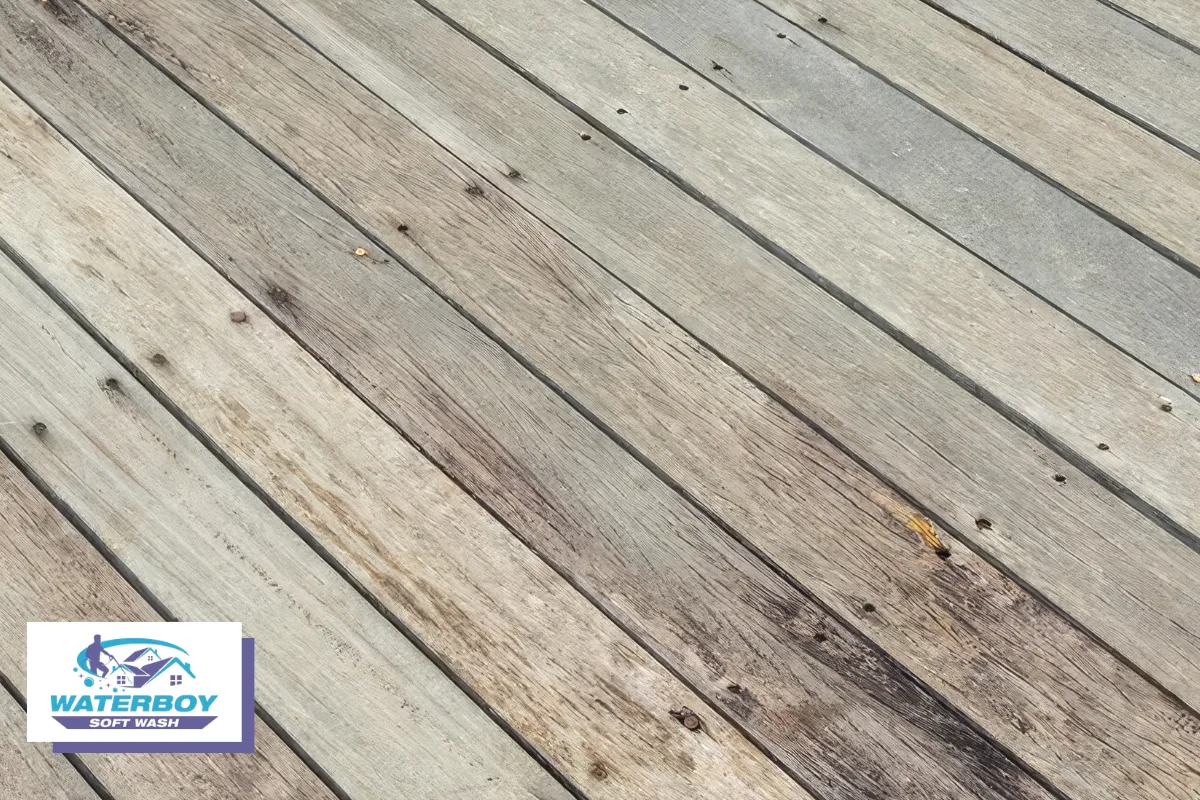
Catching damage early matters. If you plan to apply a fresh coat of stain this season, the condition of the wood surface determines whether that finish will bond properly or peel within months. A deck that has been blasted too aggressively in past years will not hold stain evenly, no matter how good the product is.
Signs of excessive pressure washing include fuzzy texture and visible wand marks. Look for these specific indicators:
- A rough, sandpapery feel when you run your hand across the boards; rough, splintery boards indicate pressure washing damage
- Lifted or frayed fibers that catch on clothing or bare skin
- Fan-shaped marks on individual planks, left behind when a wand was held in one spot too long
- Alternating light and dark bands running across the deck where passes overlapped at different speeds or distances
- Pressure washing can leave a deck surface fuzzy, and that fuzziness is most visible on stair treads and high-traffic areas
Stain that dries blotchy or looks patchy on certain boards but smooth on others is another telltale sign. The damaged grain absorbs product at different rates than intact wood, creating an uneven finish that no second coat will correct. Pressure washing can create uneven marks on decks, and those marks telegraph through semi-transparent stains especially.
Nail heads that sit higher than the surrounding wood, or boards that have started to cup (edges curling upward), can also trace back to repeated over-saturation from aggressive power washing. High pressure can create uneven marks on deck surfaces that go beyond cosmetics; the structural integrity of the board degrades with each session.
In older Chester County neighborhoods, including parts of West Chester and nearby townships, many decks have been pressure washed multiple times over 10 to 20 years. Each round of aggressive cleaning compounds the previous damage. Before your next maintenance cycle, inspect railings, stair treads, and exposed end-grain closely. End-grain is especially vulnerable because water enters the wood's open cell structure directly.
Read Pressure Washing in Chester County, PA: How to Deep Clean Grooves Between Deck Boards
Safe Cleaning Methods for Wood: Soft Washing vs. Traditional Power Washing
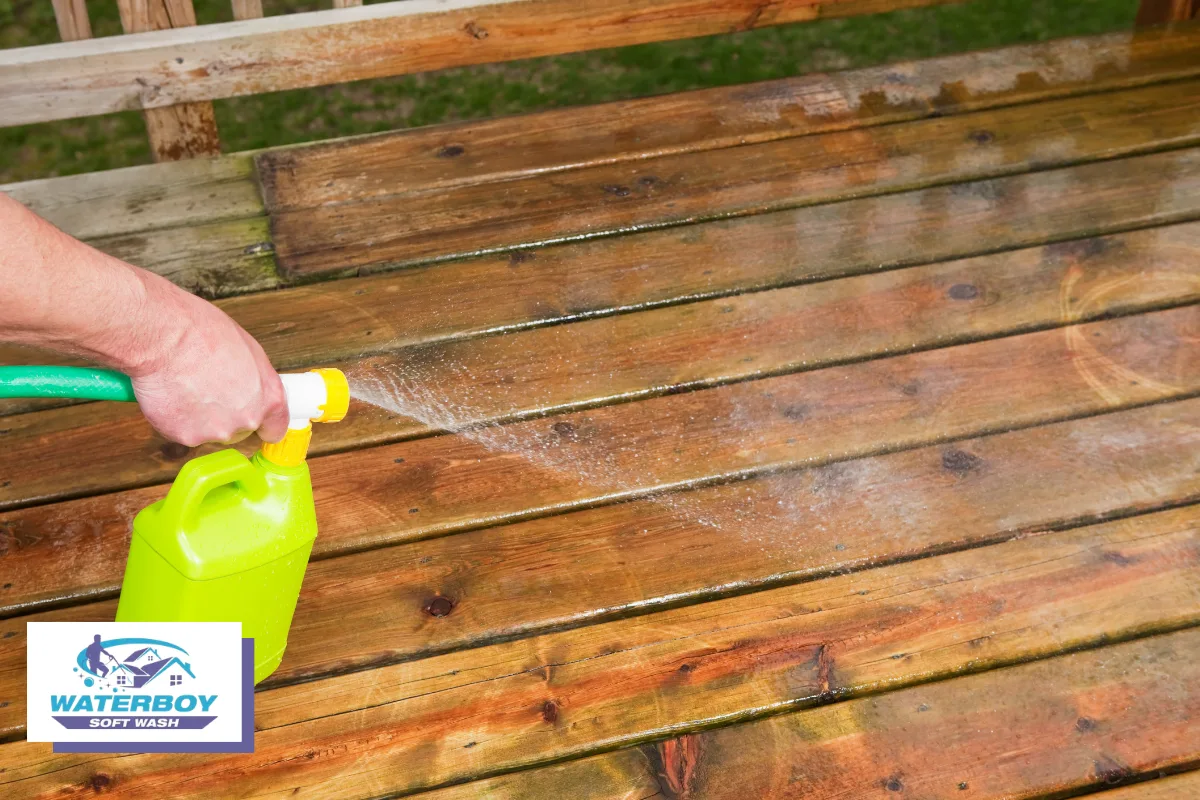
The choice between soft washing and a standard pressure wash comes down to how the cleaning force is applied. A traditional approach relies on high water pressure to blast away dirt, mold, and old finish. Soft washing utilizes low pressure with specialized detergents to clean wood safely, letting the chemical action do the heavy lifting rather than the water stream. Soft washing prevents damage to surfaces compared to high pressure washing because the mechanical force stays well below the threshold that lifts or tears fibers.
For most wood decks, fences, and wood siding across Chester County, a low-pressure rinse combined with a cleaning solution is the safer choice. Professional cleaning agents loosen dirt without harsh pressure, breaking the bond between organic growth and the wood surface so that a gentle rinse carries the debris away. Low-pressure washing avoids tearing wood fibers because the water stream disperses over a broad area rather than concentrating into a cutting jet. Soft washing prevents damage to wood decks while still removing the mold, algae, mildew, and pollen that thrive in shaded Pennsylvania yards.
Here are the core elements of a safe wood-cleaning process:
- Choose the right nozzle. Using a wide nozzle reduces the risk of damaging wood grain. A 40-degree white tip or 25-degree green tip spreads the water stream across a wider fan, reducing point pressure on the surface.
- Keep consistent distance. Maintaining a distance of at least 12 inches from wood is recommended. Moving closer multiplies the effective pressure on the grain.
- Move steadily and evenly. Stop-and-start motions or lingering in one spot creates gouges and dark patches. Keep the wand moving at a constant speed.
- Work with the grain. Direct the spray along the length of each board, not across it. Cross-grain passes lift fibers at their weakest point.
- Pre-treat with detergent. Apply a biodegradable deck cleaner, let it dwell for the manufacturer's recommended time, and then rinse at low pressure.
Safe cleaning for wood should keep pressure below 1500 PSI. Most professionals set their machines between 500 and 1,200 PSI for softwood decks and rely on detergent contact time rather than raw force. When cleaning near windows, painted trim, or landscaping, take extra care to protect those areas from overspray and runoff. Biodegradable cleaners break down organic growth without leaving residue that harms plants or contaminates soil.
Preparing Wood Surfaces in Chester County Before Deck Staining
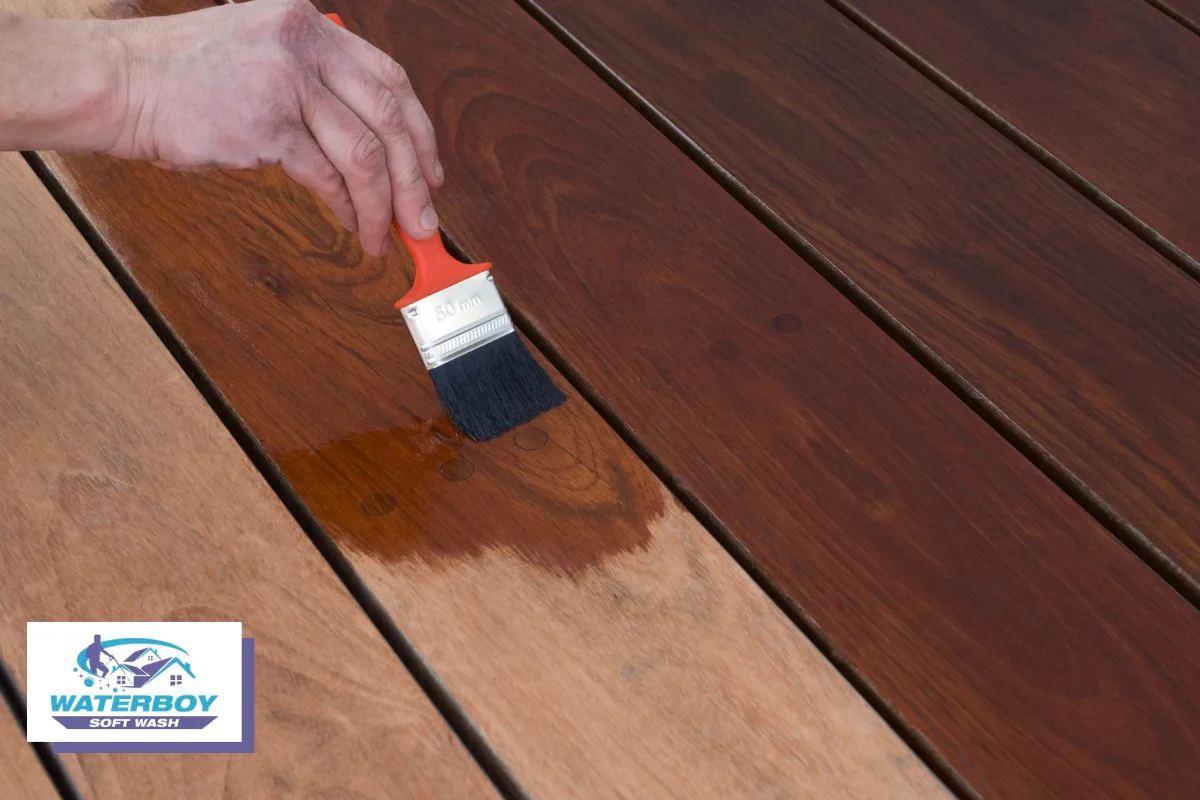
Proper cleaning and prep are the foundation of long-lasting deck staining. Rushing this step, or skipping it altogether, leads to peeling, uneven color, and a finish that breaks down within one or two seasons. The work you do before opening a can of stain matters more than the brand of stain you choose.
A logical sequence for property owners in Chester County looks like this:
- Inspect the deck. Check for rot, soft spots, loose fasteners, and structural issues. Replace any boards that flex or crumble when probed with a screwdriver.
- Clean gently. Use a low-pressure wash or soft wash with an appropriate deck cleaning solution. Focus on areas where mold or algae have built up, especially shaded sections and spots near downspouts.
- Brighten and neutralize. After cleaning, apply a wood brightener to restore the surface pH. Alkaline cleaners and bleach-based solutions can darken wood or leave a residue that interferes with stain adhesion; a brightening rinse corrects that.
- Allow proper drying time. Chester County summers are humid, and real drying can take 24 to 72 hours even in warm weather. Boards should reach a moisture content below 15 to 18 percent before stain is applied. A moisture meter gives a reliable reading; a simple alternative is taping a small square of plastic to the wood for 24 hours and checking for condensation underneath.
- Sand problem areas. If sanding is needed (raised grain, rough patches, old finish remnants), use 80 to 120 grit sandpaper and work with the grain direction. This step is especially necessary on boards that were previously over-washed.
Ideal weather for both cleaning and staining in this part of Pennsylvania falls within the following window:
- Air temperature between 50 and 85 degrees Fahrenheit
- No rain in the forecast for at least 24 to 48 hours before and after the job
- Avoid direct sun on the deck during application; early morning or late afternoon is better
- Low wind to prevent debris from landing on wet stain
Softwood deck boards around pools, patios, or shaded areas often accumulate more organic growth and require extra contact time with cleaning solutions before a semi-transparent stain is applied. Working with the natural direction of the wood grain during both rinsing and staining reduces lap marks and gives the finish a smooth, even appearance.
Choosing Professional Pressure Washing Services in Chester County
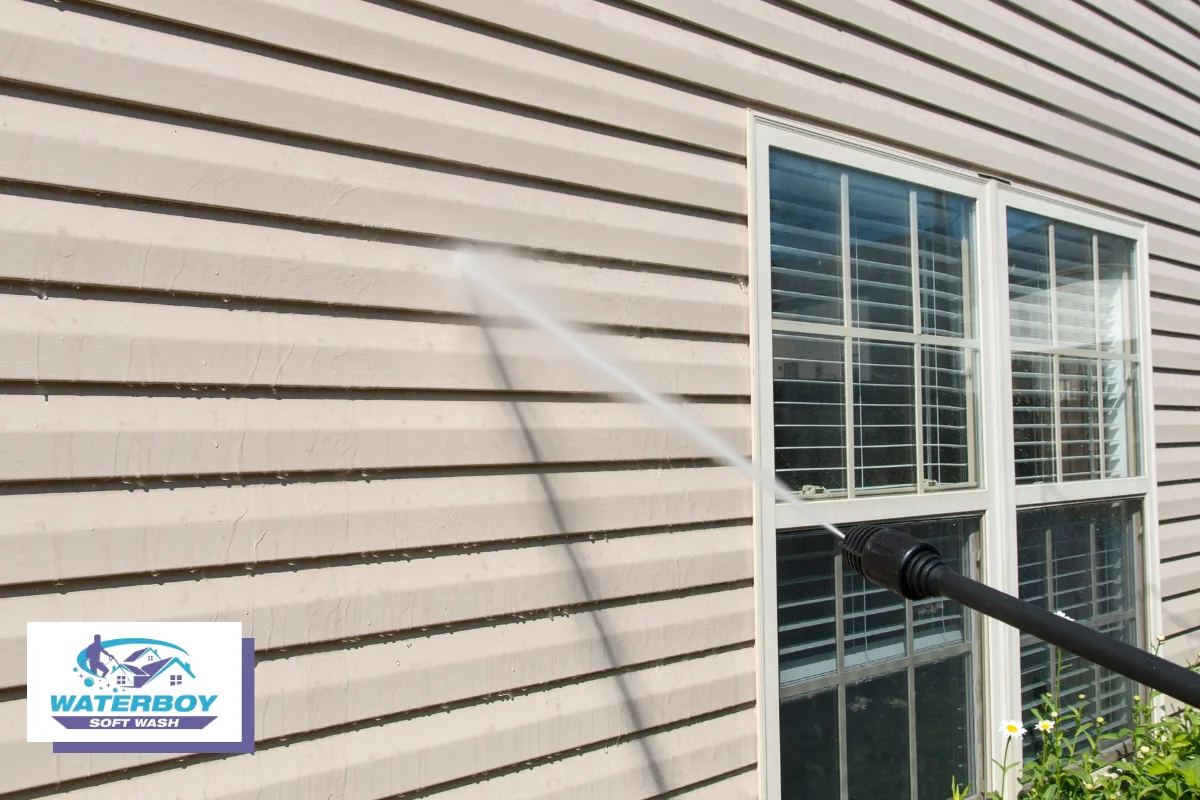
Many homeowners in Chester County choose to hire a professional rather than rent a machine and risk damaging their deck, fence, or the rest of their property's exterior. A commercial-grade pressure washer in untrained hands can strip paint from siding, etch windows, and destroy wood grain in minutes. The cost of repairing that damage far exceeds the price of hiring someone who knows the correct settings for each surface.
Professional deck cleaning in Chester County is often priced by the square foot, though pricing varies based on deck size, wood condition, and whether brightening or sanding is included.
When evaluating a company, ask specific questions:
- What PSI range and nozzle type will be used on the wood? A professional should be able to name the tip and explain why it is appropriate for your lumber.
- Will a test spot be cleaned on an inconspicuous area first? Reputable contractors test before committing to the full surface.
- Does the estimate include brightening, light sanding, and a post-cleaning inspection?
- Is the business insured for property damage?
- Does the team have experience with local housing stock, including the cedar, pine, and pressure-treated decks common in communities around West Chester?
Contractors who proudly serve all of Chester County and are comfortable with both house washing and deck prep typically offer a free quote after assessing the job in person. Ask for a written estimate that breaks down each step. Compare two or three quotes side by side; the lowest price is not always the best plan if it skips prep work that protects your wood.
Homeowners should also confirm that the contractor's approach aligns with any homeowner association guidelines or local municipal codes regarding water runoff, especially when cleaning near storm drains or waterways. Chester County sits within the Brandywine and other watershed areas, and professional operators use biodegradable products to minimize environmental impact.
Pressure Washing in Chester County, PA – Water Boy Soft Wash
We are Water Boy Soft Wash, and we specialize in wood-safe pressure washing for decks, fences, and home exteriors throughout Chester County, Pennsylvania. Our team uses soft washing techniques that protect your wood grain while removing mold, algae, and ground-in dirt from every surface. We understand the specific climate and building styles across this area, from West Chester to the surrounding boroughs, and we tailor our approach to each property instead of using a one-pressure-fits-all method. Whether you need a deck prepped for staining, a fence brought back to life, or your house washed from top to bottom, we take pride in doing the job right. Call us at (610) 812-7378 or fill out our contact form to get a free quote. Let us show you the difference that the right technique makes.
Frequently Asked Questions
How Often Should a Wood Deck Be Cleaned in Chester County?
Most wood decks in Chester County benefit from a thorough cleaning once per year, typically in late spring after pollen season wraps up and before the humid summer months accelerate mold growth. Decks in heavily shaded areas or near trees may need attention twice a year. The goal is to remove organic buildup before it penetrates the grain and becomes harder to clean without increasing pressure. Annual cleaning also gives you a chance to spot early signs of rot, loose fasteners, or finish failure before they escalate into costly repairs. A light rinse after heavy storms can help keep debris from settling into board gaps between full cleanings.
Can Composite Decking Be Power Washed Safely?
Many composite decking products have specific cleaning guidelines that often restrict pressure to under 1,500 PSI. Some manufacturers discourage pressure washing entirely and recommend only garden-hose rinsing with a mild detergent. Using high pressure on composite boards can void your warranty and leave permanent marks on the surface, even though composite material does not have natural wood fibers. Always check the manufacturer's care instructions before cleaning. A soft wash approach with a fan tip set to low pressure is generally the safest option if you choose to go beyond a simple hose rinse, and it removes algae and mildew without the risk.
What Time of Year Is Best for Exterior Cleaning and Staining in This Area?
Late April through early June and September through mid-October offer the best weather windows for cleaning and staining wood in Chester County. Temperatures during these periods typically stay between 50 and 85 degrees Fahrenheit, humidity is more manageable than in July and August, and rain tends to be less persistent. Staining in the middle of summer is possible but requires careful timing around afternoon thunderstorms and high humidity that slows drying. Winter staining is not recommended because Chester County's freeze-thaw cycles can damage a finish before it fully cures. Scheduling your work during these shoulder seasons gives the stain the best chance to bond and cure properly.
How Can I Test Whether My Deck Is Ready for Stain After Washing?
After cleaning and allowing your deck to dry for at least 48 hours, perform two simple checks. First, sprinkle a few drops of water on different boards; if the water beads on the surface, the wood still has residue or has not opened its pores enough to accept stain, and you may need to brighten or lightly sand. If the water absorbs within 10 seconds, the surface is ready. Second, use a moisture meter to confirm readings below 15 to 18 percent. If you do not own a meter, tape a 12-inch square of plastic wrap to the wood for 24 hours; condensation underneath means the boards are still too wet. Staining over damp wood traps moisture and leads to peeling.
Does Pressure Cleaning Affect Deck Screws, Nails, and Metal Hardware?
High-pressure streams can loosen nails and screws that are already partially backed out due to seasonal wood movement. The force of the water pushes into gaps around the fastener, widening the hole and reducing holding strength. Galvanized and stainless steel fasteners hold up better than uncoated hardware, but none are immune to the mechanical force of a concentrated jet. After any cleaning session, walk the deck and check for raised nail heads or loose screws. Tap nails back in or replace them with coated deck screws for a more secure hold. Addressing fasteners before staining ensures a smooth finish and prevents rust stains from bleeding through.
Disclaimer
This article provides general information about pressure washing and wood care in Chester County, Pennsylvania. It does not replace manufacturer instructions or professional assessments. Consult a licensed contractor and review local municipal guidelines before starting any exterior cleaning or staining project.
Read Can You Bundle Deck Cleaning with Pressure Washing in Chester County, PA?