


Pressure washing in Chester County, PA is one of the most effective ways to restore a deck that has been quietly collecting grime, pollen, and organic debris in the narrow spaces between its boards. Dirt and grime can build up on decks over time, and those packed grooves are more than just an eyesore. Trapped moisture feeds mold and algae, turns walking surfaces dangerously slippery, and accelerates rot that shortens the life of the wood. Chester County's climate contributes to the accumulation of mold, algae, and mildew, making this a year-round battle for local property owners. Left alone, these conditions lead to premature splintering, warped boards, and costly repairs. The solution is a careful, methodical approach that combines the right equipment, deck-safe detergents, and proven technique. This article walks you through every step, from choosing the correct nozzle to deciding when it makes more sense to call in a local professional.
Key Takeaways
- Pressure washers should generally operate within 500 to 1,200 PSI for wood decks, with a 25-degree or 40-degree fan nozzle to avoid gouging or scarring the surface.
- Always apply a biodegradable, deck-specific cleaner before rinsing, allow proper dwell time, and use physical tools like groove brushes to loosen compacted debris in the gaps.
- Chester County's humid summers, heavy spring pollen seasons, and roughly 115 frost nights per year make deck grooves particularly vulnerable to moisture retention, organic buildup, and freeze-thaw damage.
- Improper power washing with the wrong nozzle, excessive pressure, or careless spray direction can scar wood, force water behind siding, or void manufacturer warranties on composite boards.
- For homeowners who prefer not to handle the job themselves, experienced local crews offer calibrated soft washing and commercial-grade equipment that delivers deeper, longer-lasting cleaning results.
Preparing Your Chester County Deck for Groove-Deep Cleaning
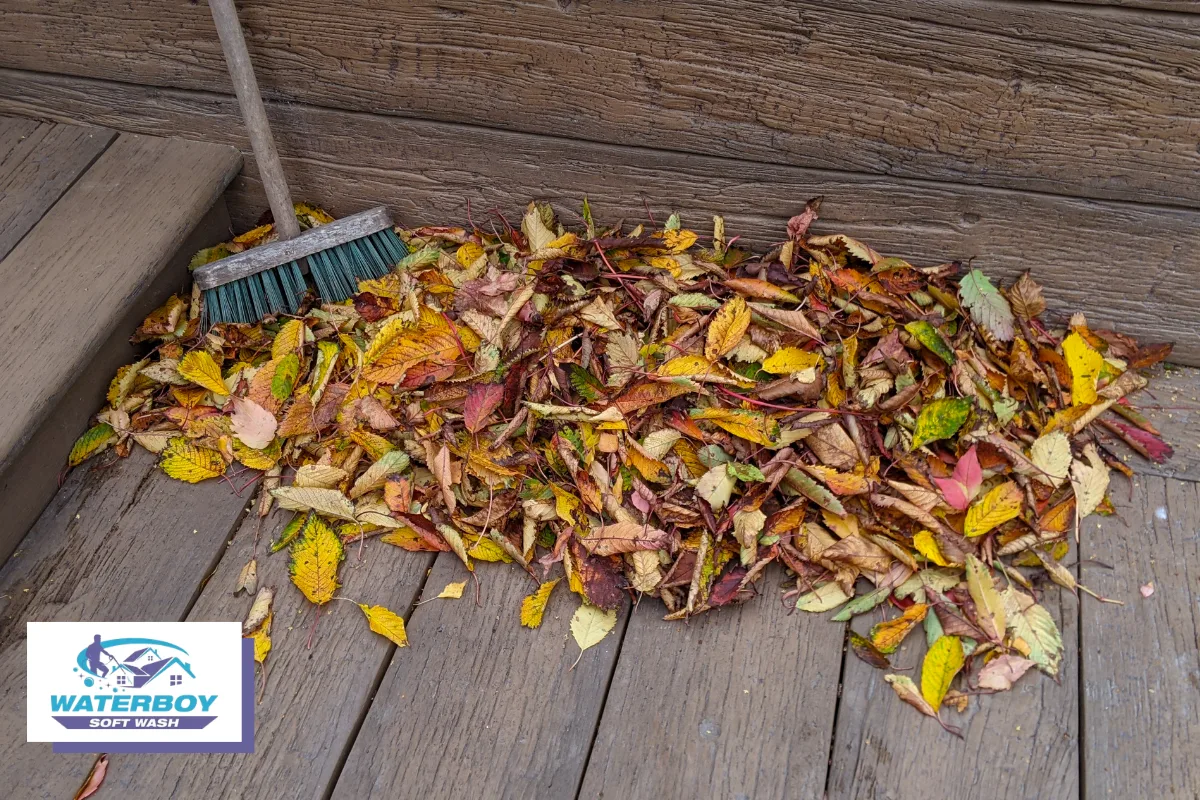
Preparation matters more when your goal is reaching the tight spaces between boards rather than simply rinsing the flat surfaces. Skipping this step means your pressure washer will turn loose debris into mud, pushing it deeper into the gaps instead of flushing it out. A few minutes of focused prep work makes the entire cleaning process faster, safer, and more effective.
Local Considerations and Material Identification
Before connecting any hoses, consider where your wash water will go. Many townships in Chester County have stormwater ordinances that require homeowners to prevent contaminated runoff from reaching storm drains. Using biodegradable detergents that are safe for surrounding landscaping helps you stay compliant and protects your yard at the same time.
Identifying your deck material is the next critical step. Each type responds differently to cleaning pressure and chemical formulas:
- Pressure-treated pine is a softwood that splinters easily under aggressive spray.
- Cedar and redwood are naturally rot-resistant but even more delicate under high pressure.
- Composite and capped composite boards have a protective surface layer that can be stripped by harsh solvents or abrasive cleaning.
- PVC decking is durable but still benefits from a gentler approach to avoid dulling the finish.
Check your deck manufacturer's care guide before selecting a cleaner or dialing in your pressure settings. Using incompatible products on composite boards can void the warranty.
Physical Inspection and Surface Prep
Walk the entire deck and look for loose boards, popped nails, lifted screws, peeling stain, soft spots, and any existing water damage. Reset any raised fasteners before cleaning so water does not infiltrate exposed holes and cause further deterioration.
Manual debris removal is essential before pressure washing to avoid turning dirt into mud. Clear the deck completely:
- Move all furniture, grills, planters, and outdoor rugs to the yard.
- Sweep the surface thoroughly, paying attention to the leaf litter and acorns common in Chester County yards, especially under mature oaks and maples.
- Dry-scrape heavy moss or lichen from the grooves using a plastic scraper or stiff nylon brush. This reduces the workload on the pressure washer significantly.
Mask nearby electrical outlets and door thresholds with plastic sheeting and painter's tape. If delicate landscaping borders the deck, cover shrubs and flower beds to prevent chemical splash.
Choose a calm, mild day with no heavy wind and above-freezing overnight temperatures so the deck can dry properly after you finish. Chester County's growing season runs roughly 170 to 190 days, so aim for late spring through early fall for the best drying conditions.
For personal safety, wear closed-toe shoes with good traction, eye protection, gloves, and hearing protection if you are using a gas-powered machine. Before firing up the unit, test your outdoor spigot flow to make sure the water supply volume is adequate. A starved pump can overheat and fail.
Selecting and Setting Up the Right Pressure Washer
Consumer electric pressure washers are lighter, quieter, and perfectly adequate for most residential decks. Gas-powered machines deliver more flow and pressure, which can be useful for large surfaces, but they also increase the risk of damage if you are not experienced.
For most wood decks, a safe operating range falls between 500 and 1,200 PSI at the surface. Harder pressure-treated lumber can tolerate the higher end, while softer cedar and older weathered boards should stay closer to 500. Composite decks generally handle slightly more pressure than soft wood, but a gentler, wider spray pattern still produces better results with less risk.
Flow rate, measured in gallons per minute, matters just as much as pressure when your goal is flushing debris from grooves. Higher GPM moves more water through the gaps, carrying grime along with it. A machine rated around 2.0 to 2.5 GPM paired with moderate PSI strikes a strong balance for deck work.
Using a 25-degree or 40-degree fan nozzle is recommended for pressure washing wood decks. Avoid using zero-degree nozzles or turbo nozzles on wood surfaces to prevent damage. The concentrated jet from a red-tip nozzle can gouge softwood in seconds and leave visible scars that no amount of sanding will fully remove.
When setting up:
- Connect all hoses securely and purge trapped air from the line by running the gun without the engine started until a steady stream flows.
- If your machine has a downstream chemical injector, confirm that the pickup tube is oriented correctly and that the detergent is compatible with the injector system.
- Start with the wand held at least 18 inches from the surface. Move closer gradually only if needed.
Soft washing prevents damage to deck surfaces during cleaning, and it is worth considering if your deck is very old, has a history of previous repairs, or features historic-era materials. A soft wash setup uses low pressure combined with specialized cleaners to do the heavy lifting chemically rather than mechanically.
Equipment needed for cleaning includes a pressure washer and eco-friendly deck cleaner at a minimum. A groove brush, pump sprayer, plastic putty knife, and safety gear round out the toolkit.
Testing a hidden area with a pressure washer helps to avoid damaging the visible surface. Pick a spot under a piece of furniture or near the house wall where any test marks will not be noticed, and dial in your distance and sweep speed before moving to the main deck area.
Always read the owner's manual, observe all manufacturer safety warnings, and never bypass built-in safeguards on the machine.
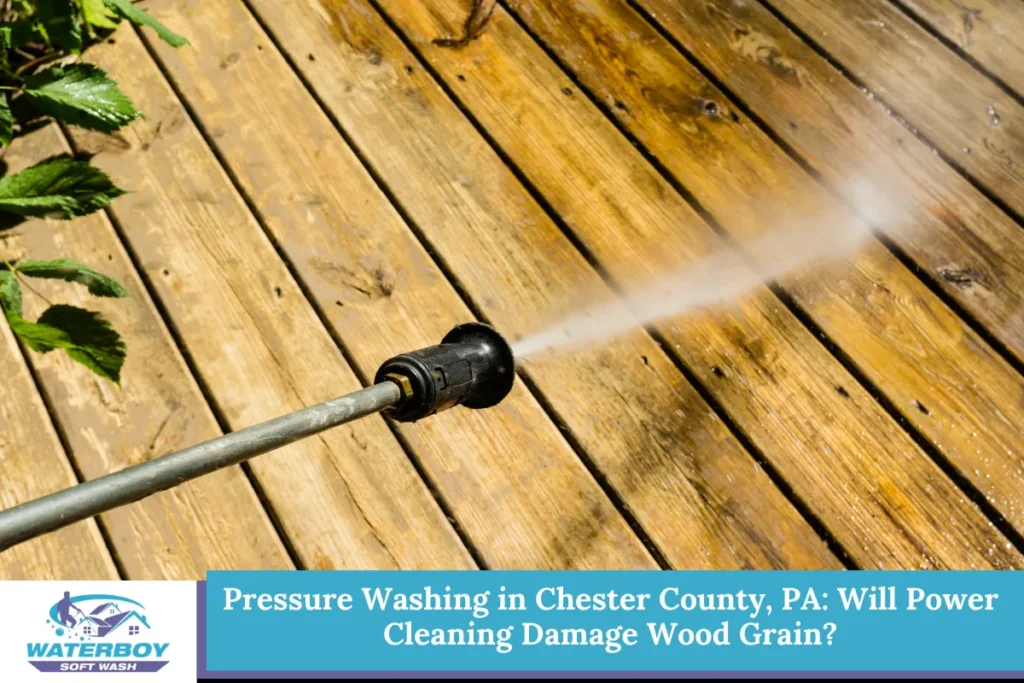
Read Pressure Washing in Chester County, PA: Will Power Cleaning Damage Wood Grain?
Step-by-Step: Deep Cleaning the Grooves Between Deck Boards
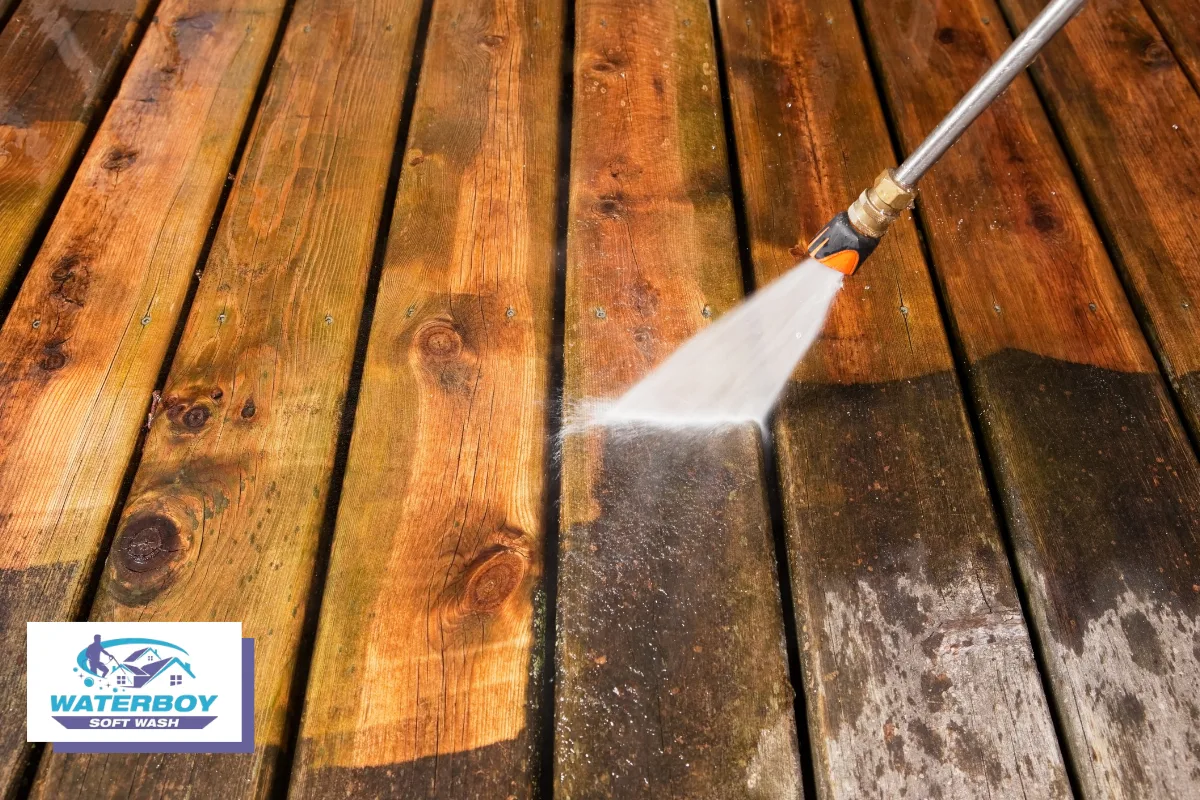
Deep cleaning grooves between deck boards requires careful technique. This is the core of the job, and rushing through it is the fastest way to end up with half-clean gaps or damaged wood. The overall sequence is straightforward: pre-wet, apply cleaner, allow dwell time, agitate inside the grooves, rinse at a low angle, and inspect.
Start at the farthest point from your exit stairs or door and work backward so you never have to walk across freshly cleaned, slippery surfaces. Keep the spray wand moving at all times and maintain a consistent distance from the deck to avoid etching or striping the wood grain. Pressure washing technique should follow the direction of the wood grain to avoid damage.
Direct water lengthwise along the gaps, not across the seams into siding or under flashing. Watch where wash water flows so it does not collect against foundations, pool under joists, or settle in low spots that lack drainage.
Applying and Working in Deck-Safe Cleaners
Chemical cleaners do the heavy lifting in groove cleaning, loosening the bond between organic buildup and the wood or composite surface so lower pressure can rinse everything away. This is why the right product matters more than raw spray force.
Choose cleaners formulated specifically for deck use that target mildew, algae, and organic staining. Oxygen-based cleaners are effective for breaking down mold and mildew on wood decks without the harshness of chlorine bleach. Eco-friendly methods are used in pressure washing to protect surrounding vegetation and water quality. Avoid household bleach mixtures that exceed label directions, as concentrated solutions can harm nearby plants, discolor rail hardware, and corrode coated fasteners.
Always pre-wet surrounding plants before using cleaning chemicals to protect them. A quick soak with plain water from a garden hose dilutes any incidental overspray that drifts onto leaves or roots.
Using a pump sprayer for applying deck cleaners helps distribute the solution evenly across the surface. Pay special attention to saturating the gaps between boards, where debris is thickest.
Allow a dwell time of 5 to 10 minutes based on the product label. Cleaning products should not be allowed to dry on the surface of the wood. If the day is warm and sunny, mist the deck lightly to keep it damp during the soak.
For stubborn spots inside the grooves, lightly brush with a narrow, stiff nylon brush or a specialized groove brush. Metal or overly stiff wire brushes can scar wood and scrape the color coating off composite caps, so they should generally be avoided. This approach removes dirt, grime, and mold effectively when you combine chemical action with targeted agitation in tight spaces.
Rinsing Technique to Flush the Grooves Clean
Brute force is not the answer here. Technique is what clears packed dirt and organic matter from between boards without causing collateral damage.
Lower the pressure to a gentle setting and switch to a wide fan nozzle. Angle the spray slightly so water flows along each groove, starting at one end of a board run and working systematically to the other. Make slow, overlapping passes down each gap, pushing debris toward the deck's edge or its built-in drainage path rather than scattering material randomly across the surface.
Low-pressure or chemical-assisted washing should combine with physical tools for cleaning gaps. A narrower tool is more effective for cleaning tightly packed debris between deck boards. Use a plastic putty knife or a dedicated deck-groove cleaner to dislodge anything that remains wedged after the first rinse pass.
Rinse rail posts, stair risers, and the underside of handrails where dirty water tends to splash and streak if left unchecked. Check nearby siding and window sills for overspray and give them a quick rinse to prevent dried streaks from setting.
Drying, Post-Wash Inspection, and Resealing Considerations
Thorough drying is not optional. Sealing or staining a deck that still holds moisture in its grooves and board cores traps water underneath the finish, leading to peeling, bubbling, and accelerated decay.
Allow the deck to dry for 24 to 48 hours before applying stain or sealer. Check moisture content using a simple touch test on the underside of boards or, for best results, use a wood moisture meter. Most exterior stains and sealers require wood moisture to be below 15 to 18 percent before application.
Once the deck is fully dry, inspect for:
- Raised grain or fuzzy wood fibers, especially on softwood boards
- Small splinters along high-traffic zones and groove edges
- Lifted fasteners that may have been loosened during cleaning
Sand any rough or splintered spots with 80- to 100-grit sandpaper, feathering the edges to blend with surrounding wood. Choose a high-quality exterior deck stain or clear sealer compatible with your deck's material, and focus attention on sealing the exposed groove edges where moisture enters first.
Properly sealed and maintained grooves shed water faster and resist new dirt buildup, reducing how often intensive cleaning is needed. Professional washing extends the life of exterior surfaces when paired with correct post-wash sealing.
Long-Term Deck Care and Professional Help in Chester County
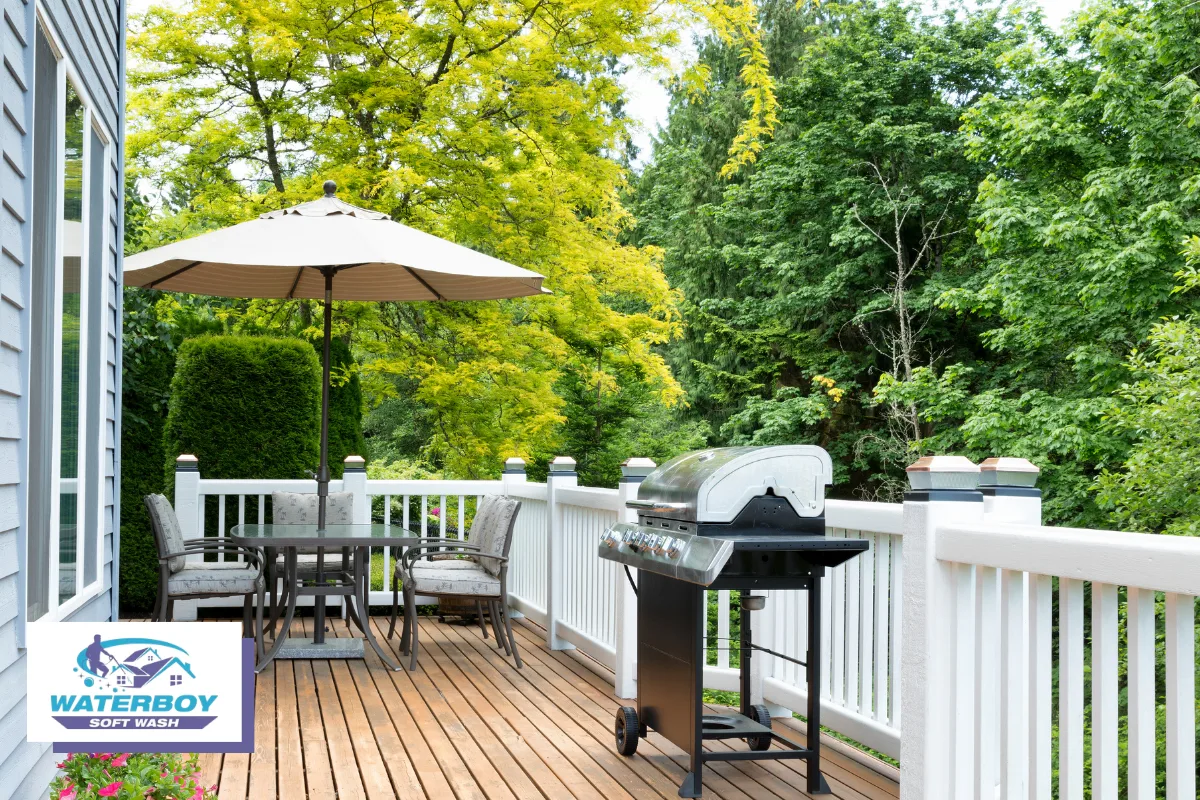
A single deep clean is a great start, but Chester County's four-season weather puts decks through a demanding cycle every year. Ongoing maintenance keeps grooves cleaner between major washes and extends the time between full-service cleanings.
Seasonal Routine for Chester County Decks
A simple schedule keeps small problems from becoming expensive repairs:
- Spring: Rinse off accumulated pollen and inspect grooves for winter debris. Spot treat any early mildew patches with a mild cleaner.
- Summer: Address spills, bird droppings, and grill grease promptly. These substances attract mold if left sitting in warm, humid conditions.
- Fall: Remove fallen leaves from gaps frequently. Chester County's dense tree canopy drops heavy loads of leaves and acorns that trap moisture and accelerate rot if they settle into grooves.
- Winter: Inspect fasteners, check for ice damage, and plan your spring cleaning schedule.
Regular inspections and cleaning can prevent buildups of leaves and debris in deck gaps. Sweep or leaf-blow along board lines routinely so organic matter does not settle and decompose in the grooves. Watch for early signs of mold or algae returning, such as dark streaks in seams or slick patches when wet, and treat them quickly.
Improving routine inspections and cleaning under the deck aids in drainage and prevents clogs. If your deck is elevated and accessible underneath, periodically rake out accumulated debris from the ground beneath the boards.
When to Call a Professional
Safe cleaning frequency for most decks is once per year for a deep pressure wash, with only light rinsing or spot cleaning between full services. Over-cleaning with high pressure actually causes more harm than good.
Consider hiring an experienced local deck cleaning company when:
- Groove buildup is severe and has not responded to DIY efforts
- The deck has structural concerns like soft joists or rotted ledger boards
- You own composite or capped boards and are unsure about warranty-safe cleaning methods
- The property is higher-value and mistakes would be costly to repair
Professional cleaning removes stubborn dirt, mold, and oil that consumer-grade equipment may not fully address. Commercial-grade equipment delivers deeper, longer-lasting cleaning results because professional crews can calibrate their systems precisely for each deck material. They also carry specialty tools designed for tight deck gaps and use surface-safe detergents formulated for the job.
Pressure washing improves curb appeal significantly, and pressure washing can increase property value, which makes professional maintenance a smart investment for property owners who want to protect their home's exterior. Review your deck manufacturer's care guidelines for specific composite or PVC boards to confirm that the cleaning approach will not void the warranty.
Document your deck's condition with photos before and after each major cleaning. This simple habit helps you track wear patterns, plan repairs in advance, and demonstrate responsible maintenance if you ever sell the property.
A well-maintained deck with clean grooves improves safety, enhances curb appeal, and protects long-term property value in Chester County neighborhoods. Whether you choose to handle the work yourself or trust a local team to manage it, consistent care is what keeps a deck performing and looking its best for years.
Pressure Washing in Chester County, PA – Water Boy Soft Wash
At Water Boy Soft Wash, we proudly serve homeowners throughout Chester County, including the West Chester area and surrounding communities. Our team specializes in pressure washing, soft washing, and house washing for decks, siding, driveways, and every part of your property's exterior. We use calibrated equipment, eco-conscious detergents, and dedicated groove-cleaning tools to deep clean the spaces between your deck boards without splintering wood or stripping composite finishes. Professional results without the guesswork. We offer a free quote and easy scheduling by phone or through our contact form. Call Water Boy Soft Wash today at (610) 812-7378 and let us give your deck the thorough, careful clean it deserves. We would love to earn your trust and show you the difference professional care makes.
Frequently Asked Questions
Do I Need HOA Approval or a Permit to Pressure Wash My Deck in Chester County?
General pressure washing typically does not require a permit in most Chester County townships, but some homeowners' associations do have exterior maintenance guidelines that apply. Architectural committees in certain communities require variance requests before any work that visibly changes the appearance of your property's exterior, including changes to stain color or finish. Standard cleaning without altering the deck's appearance usually falls outside these requirements. However, it is wise to check your HOA covenants before scheduling the job, especially if you plan to restain or reseal afterward. Municipal stormwater ordinances may also apply if your wash water could reach a storm drain, so using biodegradable products and managing runoff responsibly is a best practice regardless.
How Soon Can Kids and Pets Use the Deck After Deep Groove Cleaning?
Wait until the deck surface is completely dry and any cleaning chemical residue has been thoroughly rinsed away before allowing children or pets back on the boards. If you used a biodegradable, plant-safe cleaner and rinsed generously, the surface is generally safe once it has air-dried for several hours. Avoid letting pets drink from puddles or lick surfaces before they are fully dry. If you applied a stain or sealer after cleaning, follow the product label for cure time, which can range from 24 hours to several days depending on the formula and weather conditions. Err on the side of caution and give the deck a full day of dry weather before resuming normal use.
Are Hot Water Pressure Washers Necessary for Deck Groove Cleaning?
Cold water pressure washers paired with the right detergents handle the vast majority of residential deck cleaning jobs effectively. Hot water units excel at cutting through grease and oil, which makes them popular for commercial kitchens and industrial surfaces, but most deck grime consists of organic matter like mold, pollen, and decomposed leaves. Oxygen-based or enzyme-based cleaners dissolve this type of buildup without needing elevated water temperature. Hot water machines also cost significantly more to rent or purchase and carry a higher burn risk. For a typical Chester County deck, cold water with a quality deck-specific cleaner and proper technique is sufficient for thorough groove cleaning.
How Should I Handle Older Lead-Based Paint on Adjacent Railings During Deck Cleaning?
If your home was built before 1978, railings, trim, or nearby structures may contain lead-based paint. Pressure washing these surfaces can create hazardous lead dust and contaminated runoff, which poses health risks and may violate EPA renovation, repair, and painting rules. Do not direct high-pressure spray at any surface you suspect contains lead paint. If paint is peeling or flaking near the deck, have a certified lead inspector test it before proceeding. Contain any debris and avoid creating airborne particles. It is strongly recommended to hire a contractor certified in lead-safe work practices if lead paint is confirmed on or near your deck's railings or adjoining structures.
Does Deck Cleanliness Affect Home Inspections or Insurance?
Home inspectors routinely evaluate deck condition during pre-sale inspections, and visible mold, rot, or neglected grooves can trigger repair recommendations or negotiation points for buyers. A clean, well-maintained deck signals responsible ownership and may reduce concerns about hidden structural problems. While homeowners' insurance policies do not typically mandate deck cleaning, an insurer could factor visible neglect into a risk assessment if a claim arises from a slip-and-fall or structural failure. Keeping records of regular cleaning and maintenance, including before-and-after photos and any professional service receipts, strengthens your position during both an estimate for home sale preparation and any insurance-related inquiries.
Disclaimer
This article provides general guidance on deck cleaning practices in Chester County, Pennsylvania and does not constitute professional, legal, or code-compliance advice. Always follow product labels, equipment manuals, and applicable local regulations, and consult qualified professionals for specific concerns.
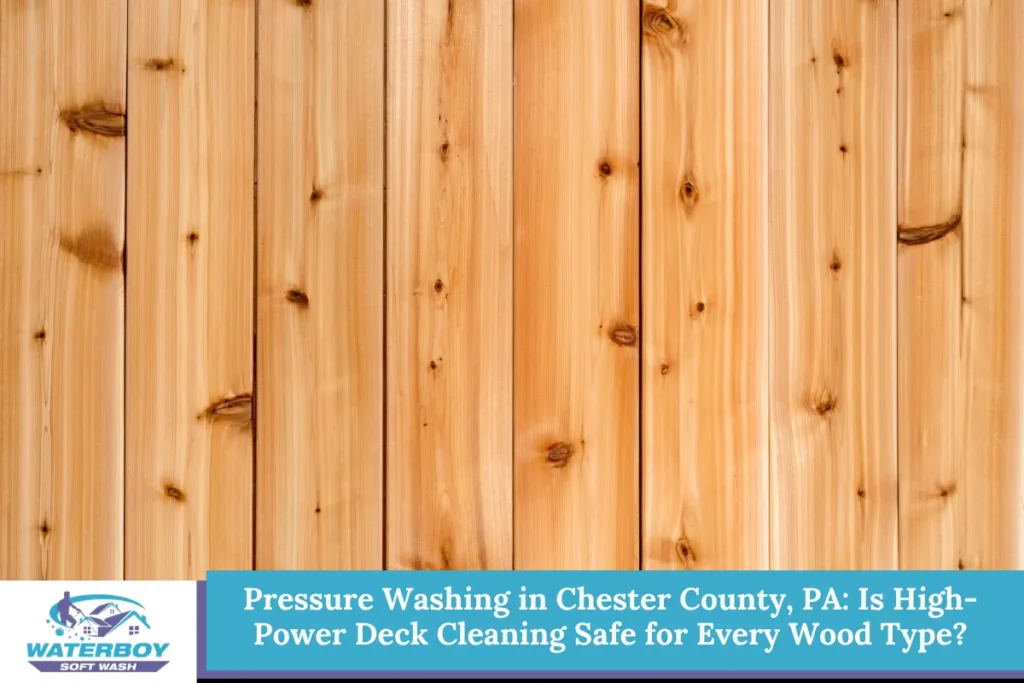
Read Pressure Washing in Chester County, PA: Is High-Power Deck Cleaning Safe for Every Wood Type?