


Gutter cleaning is one of those tasks that homeowners in Chester County tend to push off until something goes wrong. Maybe you notice water spilling over the edge during a spring storm or spot dark streaks running down your siding. By that point, the damage may already be underway. Cleaning gutters is essential for comprehensive roof maintenance, yet it rarely gets the attention it deserves during routine check-ups. The good news is that a straightforward shift in how you schedule roof care can save you thousands in avoidable repair costs. This article walks through why gutters and roofs need to be serviced together, how clogs form in Chester County’s climate, the best practices that keep your home safe, and how often you should schedule service.
Key Takeaways
- Gutter cleaning should be part of regular roof and exterior maintenance because gutters, roof surfaces, downspouts, and drainage grading form one water-management system. Ignoring one component undermines the rest.
- Neglected gutters in Chester County can lead to roof leaks, fascia rot, foundation damage, and landscape erosion, especially given local tree cover and over 40 inches of annual rainfall.
- Most homes benefit from professional service at least twice a year, in spring and late fall, with more frequent visits for heavily wooded areas like many neighborhoods in West Chester and Malvern.
- Methods that pressure wash gutters must be used carefully to protect asphalt shingles, siding, and landscaping while following local safety standards in Chester County, PA.
- Pairing roof inspections with gutter service in one visit saves time, reduces ladder risk, and helps maintain seamless gutters, gutter guards, and downspouts more efficiently. Regular cleaning also prevents roof and ceiling water damage that can escalate into expensive repairs.
Why Gutter Cleaning Belongs in Every Roof Maintenance Visit
Here is the short answer: yes, gutters absolutely need attention every time someone inspects or works on your roof. If you have had shingles replaced, flashing resealed, or a ridge cap repaired in Chester County, PA, but left packed gutters untouched, you have only solved half the problem. Water still has nowhere to go, and that means it backs up under roof edges, spills onto siding, and saturates the soil around your home’s foundation.
Think about what happens next. Backed-up water in winter freezes at the eaves, forming ice dams that pry shingles apart and push moisture into the attic. In spring and summer, Chester County sees heavy thunderstorms that dump inches of rain in a short window. Clogged channels overflow, sending water cascading down exterior walls and pooling next to basement windows. Gutters divert water away from a home’s foundation to prevent flooding, but they can only do that job when they are clear of debris.
The solution is simple enough. Treat the roof and gutter system as a single unit during every maintenance visit. That way, no part of the drainage path gets overlooked.
How the Roof and Gutter System Work Together
Roof surfaces, valleys, flashing, shingles, gutters, downspouts, and landscape grading all function as one connected system to move rainwater safely away from the structure. A blockage at any point, especially in the gutters, interrupts that flow and puts everything upstream and downstream at risk. Regular gutter cleaning prevents leaks and water damage inside homes by keeping that pathway open.
Risks of Skipping Gutters During Roof Work
When gutters are left out of a roof tune-up, several problems can develop quickly:
- Shingle edge damage from standing water that deteriorates adhesive and sealants along the drip edge.
- Ice dams can form when gutters trap standing water in cold regions, lifting shingles and forcing moisture under roof layers during Chester County’s freeze-thaw cycles.
- Fascia and soffit rot caused by overflow that saturates the wood under the eaves, encouraging mold and structural decay. Clogged gutters risk rotting fascia boards and shingle damage over time.
- Attic leaks that occur when water backs up under flashing or around nail penetrations and seeps into roof plywood.
- Displaced insulation in the attic or crawlspace as moisture degrades material and lowers its thermal performance.
Common Debris Sources in Chester County
Chester County’s landscape is filled with mature oaks, maples, and Eastern white pine trees. These produce heavy leaf drop in fall, samaras and seed pods in spring, and pine needles throughout the year. On top of that, aging asphalt shingles shed granules that wash into gutters and valleys, creating sediment buildup. Pollen, fine dust, and even bird nesting materials add to the accumulation between cleanings.
What a Combined Service Appointment Looks Like
When a professional handles both roof and gutter care in a single visit, the process typically follows this sequence:
- Visual roof inspection covering shingles, flashing around vents and chimneys, valleys, and ridge caps.
- Minor roof maintenance such as replacing a loose shingle, sealing small flashing gaps, or securing lifted edges.
- Debris removal from roof surfaces, particularly valleys and areas where water flows toward gutters.
- Thorough gutter and downspout clearing by hand, including checking hangers, pulling out compacted sediment, and removing leaves.
- A final water test using a garden hose to confirm that runoff moves freely through gutters and downspouts and discharges well away from the foundation.
How Clogged Gutters Start and the Damage They Can Cause in Chester County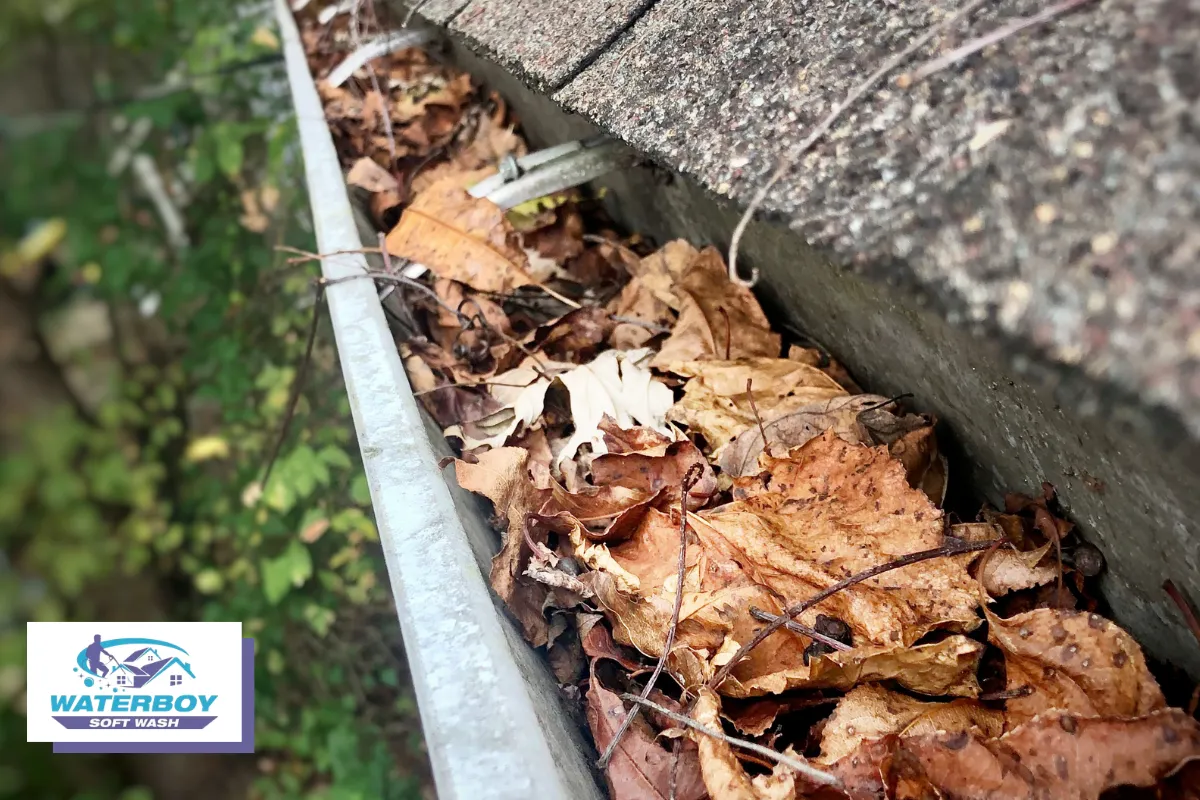
Clogs rarely happen overnight. In West Chester and the surrounding neighborhoods, debris accumulates gradually across seasons. Spring storms deposit seed pods and pollen. Summer thunderstorms push branches and leaves onto the roof. By late fall, the final wave of deciduous leaf drop fills whatever capacity remains. Winter freeze-thaw cycles then trap moisture in that packed material, turning a manageable buildup into a solid, heavy blockage.
Common Clog Sources
- Leaves and twigs from deciduous maples and oaks, plus persistent pine needles from conifers that stay on the ground and in gutters year-round.
- Roofing shingle granules loosened through age or storm damage that settle at the bottom of the gutter channel and create a silt-like layer.
- Bird nests and rodent material that accumulate in split joints or near overhangs where eaves provide shelter.
- Wind-blown trash and fine sediment that collect in low-slope seamless gutters where water tends to linger.
Signs Your Gutters Need Attention
Homeowners should inspect gutters for sagging, leaks, and blockages regularly. Here are the most reliable indicators that your system needs cleaning:
- Pooling water indicates clogged gutters needing immediate cleaning, especially if you can see it sitting in the channel from the ground.
- Water stains on siding indicate overflowing gutters and suggest that runoff is not reaching the downspouts.
- Sagging sections pulling away from the fascia under the weight of soaked debris.
- Mildew or mold growth on exterior walls or under soffits.
- Damp basements or crawlspaces after storms, a sign that overflow is saturating soil near the foundation.
- Increased pest activity can signal clogged gutters, because standing water in gutters attracts pests like mosquitoes and other insects looking for breeding habitat.
Specific Damage from Unchecked Clogs
The consequences of ignoring gutter maintenance go beyond the roof line:
- Eroding soil along the foundation as overflow saturates the base, causing washout that undermines the footing. Clogged gutters can cause cracked foundations when this erosion becomes severe.
- Heaving or cracking of paved walkways and driveways where water freezing beneath pavement displaces the substrate.
- Clogged gutters can lead to garden flooding and erosion, destroying planting beds and washing away mulch near the home.
- Stains on brick, stucco, or stone veneer from algae, moss, or mineral deposits caused by constant moisture contact.
- Properly maintained gutters prevent landscaping damage from overflowing water, so the cost of routine service is a fraction of restoration work.
- Fascia damage may occur from heavy debris in gutters that puts sustained pressure on mounting hardware and underlying trim.
Local Factors That Increase Risk
- Tree-lined streets in West Chester and communities near Malvern create dense canopy cover that delays drying and increases the volume of organic material reaching gutters each season.
- Older homes throughout Chester County often have smaller downspouts and narrower gutter profiles that were designed for lighter rainfall loads, making them more prone to clogging and overflow.
- Heavy summer thunderstorms can dump over an inch of rain in under an hour, turning minor buildup into serious overflow that threatens siding, landscaping, and basement waterproofing.
Read How to Clean Gutters With a Power Washer: Gutter Cleaning Tips in Chester County, PA
Best Practices for Cleaning Gutters During Roof Maintenance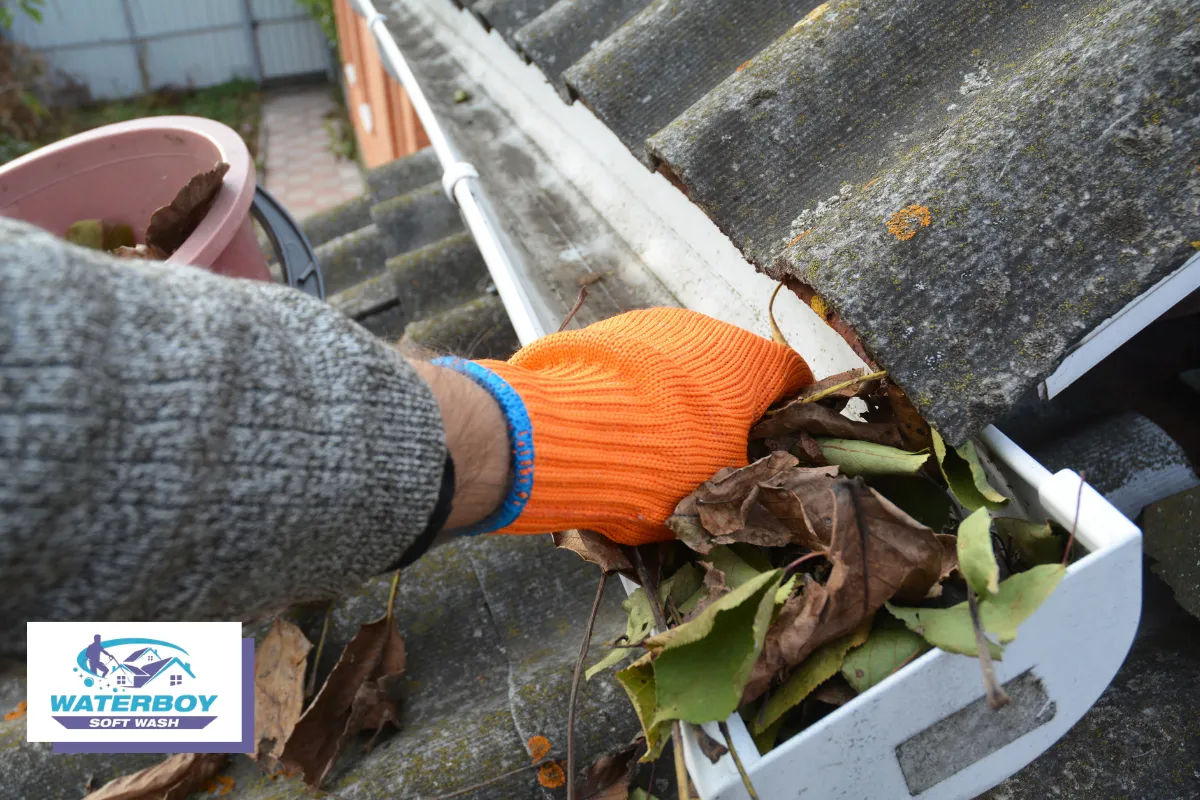
Combining roof maintenance with gutter washing is the most efficient approach, but it needs to be done methodically to avoid harm to the roof, the gutter system, or the person doing the work. Many of these tasks involve height, slippery surfaces, and heavy debris, which is why trained professionals are often the safest choice for homeowners who prefer not to take on the risk themselves.
Safe Service Sequence
Following a consistent order reduces mistakes and keeps the process moving:
- Inspect the roof and gutter system from the ground first. Look for visible shingle damage, sagging gutter sections, loose hangers, and any obvious safety hazards before climbing.
- Choose a ladder that extends at least three feet above the gutter line and use a stabilizer to prevent movement. Secure the base on level ground.
- Remove loose roof debris from valleys and edges before touching the gutters. This prevents pushing material into clean channels.
- Clean gutters by hand or with a gutter scoop, starting at the downspout end and working outward. Place removed debris into buckets or onto a tarp below.
- Use a garden hose with a controlled nozzle for a final rinse that flushes fine sediment and confirms water flow toward downspouts.
Protective Gear and Tools
Select a calm, sunny day for gutter cleaning to avoid hazards from wet surfaces and wind. Before starting, gather the right equipment:
- Non-slip footwear with rubber soles, heavy-duty work gloves, and eye protection to guard against flying debris.
- A stable extension ladder with a fly section, and safety harnesses if working above single-story height. Wear protective gear to prevent injuries while cleaning gutters.
- Use gutter trowels and buckets for efficient debris collection, along with a brush or putty knife for scraping compacted granules.
- A flexible plumber’s snake or auger for stubborn downspout blockages that a hose cannot clear.
When to Rinse Gently and When to Avoid Pressure
Gentle rinsing is appropriate for most gutter washing situations, especially when working near asphalt shingles, aging flashing, or wood trim. A standard garden hose with an adjustable nozzle provides enough force to flush fine material without stripping shingle granules or breaking roof sealants.
Methods that pressure wash gutters at high PSI should be avoided directly at roof edges, along flashing seams, and anywhere near wood shake or older materials. High-pressure water can loosen granules, lift shingle tabs, misalign gutter hangers, and even force water under roof layers. Soft washing methods are a safer alternative in Chester County, PA, where many homes have older roofing materials that do not tolerate aggressive cleaning. Local environmental considerations may also restrict the use of detergents and excessive water runoff near storm drains.
Downspout Care
- Check each downspout at elbows and joints for blockages. Remove obstructions with a hose or plumber’s snake.
- Examine underground or buried discharge pipes, especially where they turn or connect to drainage systems. Run water through to confirm flow.
- Downspouts must discharge water at least 3 to 4 feet away from foundations. Verify that extensions or splash blocks are in place and that the ground slopes away from the structure at a minimum of half an inch per foot.
Final Inspection Checklist
After debris is removed and water has been tested, wrap up with these steps:
- Confirm that all hangers, brackets, and strap supports are secure. Address any sagging sections.
- Verify that gutters slope correctly toward downspouts, typically around one-sixteenth to one-eighth inch of drop per foot of run.
- Check for leaks at seams, joints, and end caps. Reseal any areas that show moisture.
- Inspect roof edges, valleys, and flashing one more time. Problems that were hidden under debris are often visible only after the channels are cleared.
Types of Gutters and Gutter Guards Common in Chester County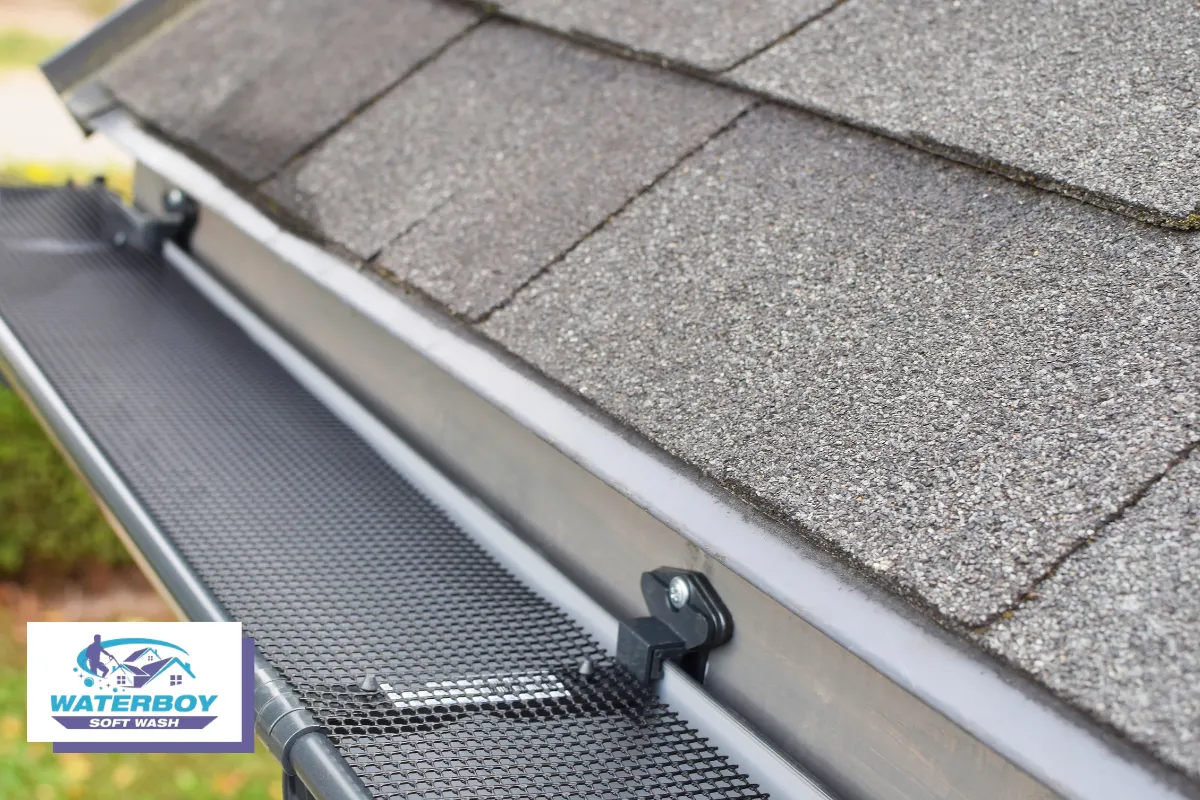
Homes across West Chester and wider Chester County feature several gutter profiles and materials, and each one calls for slightly different maintenance. Knowing what style is on your home helps you or your service provider choose the right tools and approach during cleaning.
Half-Round Gutters
- Half-round gutters are traditional and prone to clogging because of their shallow, curved profile that holds debris at the bottom.
- Commonly found on historic colonial and Victorian properties throughout Chester County, they add architectural character but fill up faster than other styles.
- Fewer fastening points make them more susceptible to sagging under wet debris weight, so they need more frequent attention and careful ladder placement to avoid damaging delicate wood fascia.
K-Style Gutters
- K-style gutters resemble the letter K in cross-section and transport more water thanks to their flat bottom and higher sidewalls.
- They are the most common profile on post-1960 homes in the region, offering greater capacity for heavy Pennsylvania rain events.
- The internal angles of the K shape create corners that trap wet leaves and sediment, requiring detailed scooping during each cleaning to prevent compacted blockages.
Seamless and Fascia-Mounted Gutters
- Fascia gutters are seamless and prevent rust and leaks because they are roll-formed on site with minimal joints.
- Long continuous runs can sag if hangers are not spaced properly, typically every 24 to 30 inches, especially when standing water and debris add weight.
- Common materials include aluminum, steel, and copper, each with different durability and corrosion characteristics that influence long-term maintenance needs.
Gutter Guards
Gutter guards can minimize debris but do not eliminate maintenance. They reduce the frequency of full cleanings but still need periodic inspection during roof maintenance visits.
- Screen guards use a metal or plastic grid over the opening. They catch large leaves but let pollen and fine seeds through.
- Micro mesh guards have tiny holes to keep debris out, including pine needles and seed husks. They need occasional rinsing to clear the film that builds on the mesh surface.
- Foam inserts fill the gutter channel and reduce interior clogging, but the foam degrades over time in sunlight and freeze-thaw conditions.
- Surface-tension covers use solid hoods that rely on water adhesion to direct flow into a narrow slot. Leaves that overlap the roofline may not slide off, and snow can accumulate on covers in winter.
- Brush guards trap debris but need removal for cleaning, as material can pack tightly around the bristles and restrict water flow.
Some guard types require full removal for a thorough cleaning of the channel underneath, while micro-mesh systems usually need only surface debris removed and an occasional rinse. Either way, roof maintenance visits are the right time to inspect guard sections for shifting, damage, or gaps that allow debris into the channel.
How Often to Schedule Gutter Service With Your Roof Maintenance Plan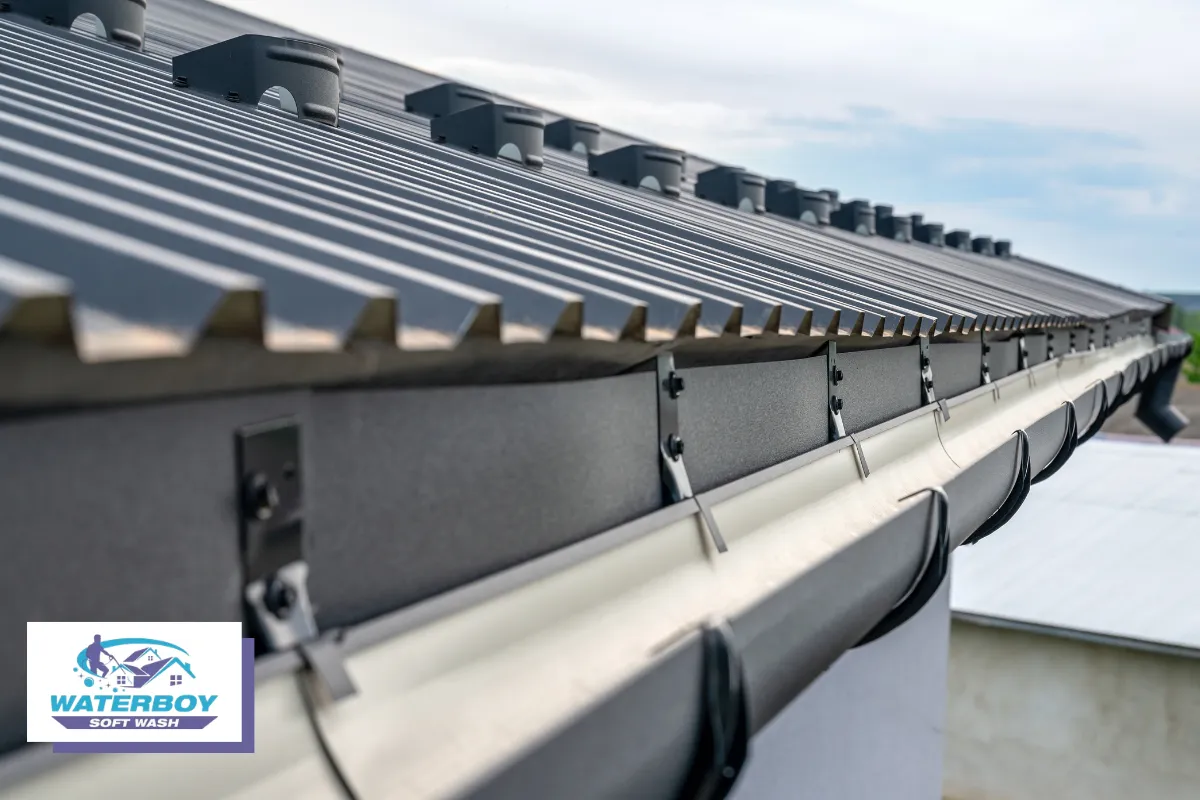
The ideal service interval depends on tree coverage, roof pitch, and local weather, but most Chester County homeowners should plan on at least two visits per year. Gutters should be cleaned at least twice a year, and clean gutters twice a year for best results according to industry guidelines. Local conditions in Chester County influence gutter maintenance practices more than national averages because of the area’s dense canopy and seasonal rainfall patterns.
Cleaning gutters helps extend their lifespan by reducing strain and corrosion that come from standing water and decomposing organic material sitting in the channel for months.
Seasonal Timing
- A spring visit after pollen and seed drop clears out winter sediment, moss, and any leftover fall debris before the heavy storm season.
- A late-fall visit after most leaves have fallen prepares the system for winter freeze-thaw cycles and prevents ice dam formation.
- An optional midsummer check benefits heavily wooded properties where summer storms deposit branches, seed pods, and other material.
Scenarios That Need More Frequent Service
- Homes under mature oaks or pines that produce debris across multiple seasons often need three or four cleanings per year.
- Properties near creeks or open fields where wind carries extra leaves and organic matter into gutters.
- Roofs with low slopes that drain water more slowly, allowing sediment to settle and compact in the channel.
- Houses with previously documented drainage issues, basement moisture, or ice dam history.
Cost and Time Savings of Pairing Services
Combining gutter work with roof inspections makes financial sense. A single ladder setup, shared safety measures, and one service mobilization reduce the total cost compared to scheduling separate appointments. More importantly, minor roof issues like cracked flashing or a missing shingle are often discovered during the gutter portion of the visit, which means they get fixed before they cause overflow, leaks, or structural problems. The estimate for combined service is typically lower than booking each task independently.
Signs You Need an Earlier Visit
- Visible plant growth, such as weeds or moss, sprouting in the gutter channel.
- Birds or pests gathering at the eaves, which often indicates accumulated organic material providing shelter and food.
- Staining on exterior walls below the roofline shows overflow paths.
- Dripping or splashing sounds near windows during storms when gutters should be channeling water to downspouts silently.
Gutter Cleaning in Chester County, PA – Water Boy Soft Wash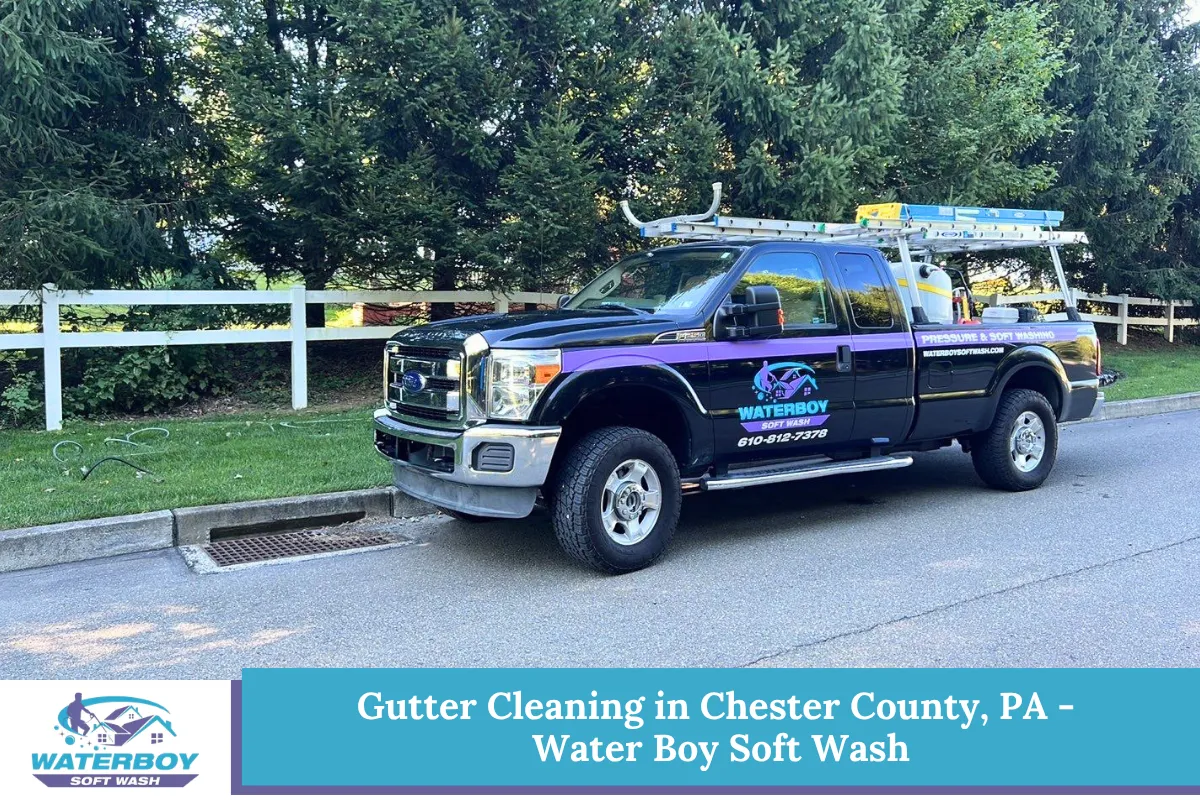
At Water Boy Soft Wash, we know how Chester County weather and tree cover challenge your gutters and roof. We are based right here in Chester County, Pennsylvania, and we serve homeowners in West Chester, Malvern, and surrounding communities who need reliable gutter cleaning done the right way. Our team uses careful soft washing techniques that protect your shingles, siding, and landscaping while restoring full water flow throughout your gutter system. We combine roof care and gutter service in a single visit so you save time and keep your home protected year-round. Call us at (610) 812-7378 or fill out our contact form today for a fast estimate. We take pride in delivering results that create satisfied customers on every job. Let us handle the ladders, the debris, and the details so you do not have to.
Frequently Asked Questions
Is It Safe to Have Gutters Cleaned During Light Rain?
Light rain generally does not prevent professionals from performing gutter service, though it does add some risk. Wet surfaces on ladders and roof edges become slippery, so non-slip footwear and extra caution at contact points are critical. Most experienced crews in Chester County will proceed with a light drizzle as long as there is no lightning, high wind, or heavy downpour in the forecast. In fact, a gentle rain can actually help flush debris once it has been loosened from the channel. That said, the safest approach is to select a dry day whenever possible. If a storm rolls in unexpectedly, a reputable service provider will pause work and reschedule rather than put a crew member at risk on a slick roof edge.
Should Homeowners Be Present During a Gutter Service Appointment?
You do not need to be home for the entire appointment, but being present at the start and finish is helpful. At the beginning, you can point out specific problem areas you have noticed, such as a section that overflows during storms or a downspout that seems sluggish. At the end, a walkthrough with the technician gives you the chance to see what was found and learn about any gutter repair needs or roof issues that surfaced during the visit. If you cannot be there in person, most professional crews in Chester County will leave a written summary or send photos of their findings so you can review the condition of your system and make informed decisions about follow-up work.
How Should I Prepare My Yard Before a Gutter Service Visit?
A few simple steps before the crew arrives can speed up the job and protect your property. Move patio furniture, potted plants, and any fragile landscaping features away from the base of the house where ladders will be placed and debris will fall. If you have vehicles parked close to the home, pull them to a safe distance to avoid splashes or falling material. Clear a path along the perimeter of the house so the crew can move ladders without navigating obstacles. If you have pets, keep them indoors or in a fenced area away from the work zone. These preparations help the team focus on the gutters and roof rather than spending time relocating your belongings, which keeps the pricing fair and the appointment on schedule.
What Should I Ask a Contractor Before Hiring Them for Gutter Work in Chester County?
Start by confirming that the contractor is registered under Pennsylvania’s Home Improvement Consumer Protection Act, which requires home improvement contractors to carry proper insurance and include their registration number in contracts and advertisements. Ask for proof of general liability coverage and workers compensation. Request a written estimate that details the scope of work, including whether the price covers both gutter and roof inspection or just one. Ask about their approach to pressure and water use near shingles and siding, since improper techniques can cause harm to roofing materials. Finally, ask for references from other Chester County homeowners or look for reviews from people who live in the area. A trustworthy business will be transparent about all of these details without hesitation.
Do Gutter Guards Eliminate the Need for Future Gutter Cleanings?
No. Gutter guards reduce how often you need a full cleaning, but they do not make your system maintenance-free. Over time, fine debris such as pollen, shingle grit, and small seeds can pass through or accumulate on top of the guard surface, restricting water entry. Some guard styles, particularly foam inserts and surface-tension covers, degrade with exposure to ultraviolet light and freeze-thaw cycles common in Chester County winters. Even micro-mesh systems need periodic rinsing to clear the thin layer of residue that forms on the mesh. During roof maintenance visits, guards should be inspected for shifting, damage, or gaps that allow debris into the channel. Think of guards as a way to extend the time between cleanings rather than a permanent solution that lets you forget about your gutters entirely.
Disclaimer
Disclaimer: This article provides general information for Chester County, PA homeowners and does not replace a site-specific inspection or professional advice. Always follow local building codes, Pennsylvania safety regulations, and manufacturer guidelines when performing exterior maintenance.
Read How to Clean Garden Statues and Planters With Professional Exterior Cleaning in Chester County, PA?