

Power Washing Done Wrong Can Cost You More Than You Think
Many homeowners begin pressure cleaning projects with the best intentions. Still, power washing without the proper knowledge can lead to significant issues. Power washing uses heated water, while pressure washing relies on cold water at high pressure. In the middle of what seems like a simple rinse, it’s easy to make mistakes that damage your outdoor walls, especially in areas like Downingtown, PA, where materials and weather vary throughout the year. Using high-pressure water may appear effective on the surface, but it can also cause damage. Still, if not done properly, it can wear down siding, damage mortar joints, or leave mold and grime behind instead of clearing them.
This article provides a detailed examination of the most common mistakes people make when cleaning outdoor walls with a power washer. Both power washing and pressure washing utilize pressurized water to remove dirt, staining, and organic growth from exterior surfaces. Whether you’re working with brick, vinyl, stucco, or stone surfaces, understanding these mistakes will help protect your home and get the best results from every wash, ensuring customers avoid costly errors.
What Is Power Washing and Why Does It Matter
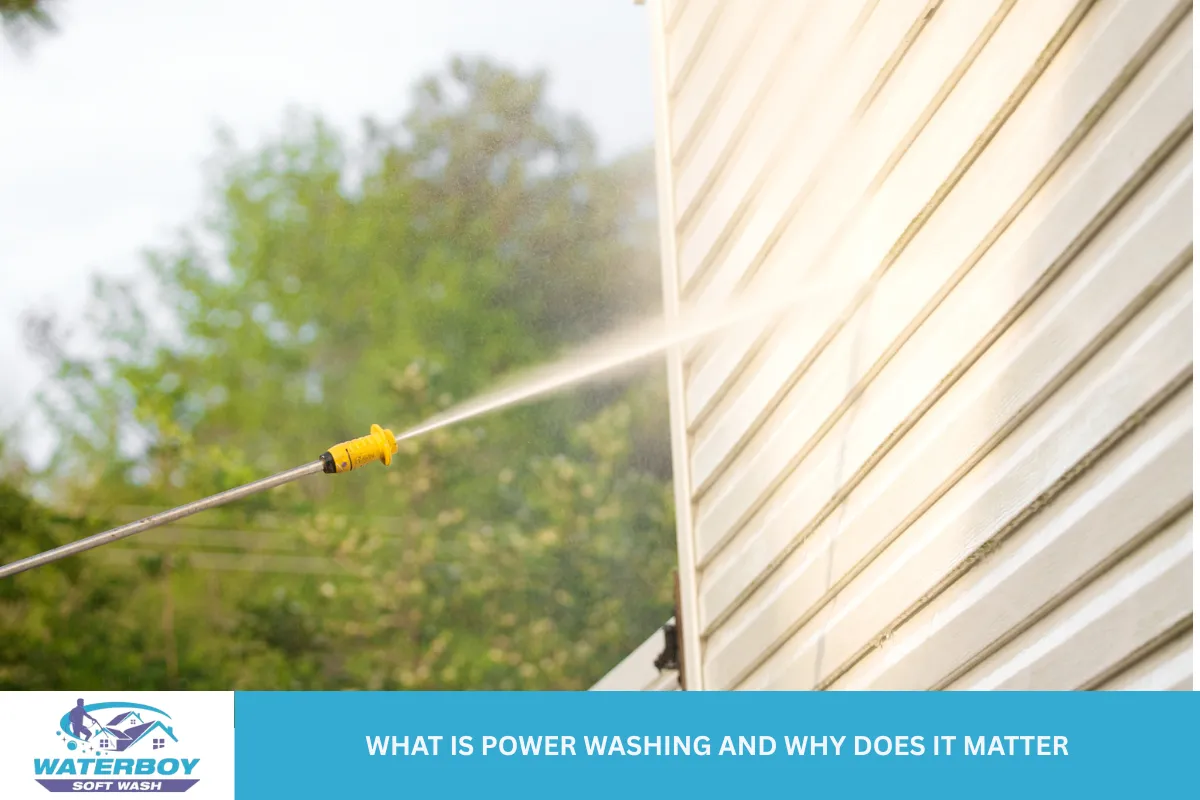
Power washing is the use of pressurized water to remove dirt, mildew, algae, grime, and pollutants from hard exterior surfaces. It’s commonly used on siding, walls, fences, driveways, and more. The force behind the water can quickly clear away layers of buildup that normal cleaning methods can’t handle.
Unlike soft washing, which relies on cleaning solutions and very low pressure, power washing uses a forceful water spray—often up to 2,500–4,000 PSI (pounds per square inch). This high pressure is what makes it effective, but also what makes it risky when misused. Using effective methods and professional exterior cleaning ensures the right approach is matched to each surface type, safely removing mold, mildew, algae, and grime. House washing often requires different approaches, such as soft washing for delicate surfaces, to maintain and improve the home’s exterior appearance and longevity. Outdoor surfaces in Downingtown require regular maintenance due to seasonal fluctuations in moisture, pollen, and temperature changes. Power washing helps extend the life of these surfaces, keeps homes looking presentable, and even prevents structural issues caused by trapped moisture or biological growth. The appropriate pressure setting varies by surface type; for example, concrete can handle higher pressure than painted wood or roofs, which may require a soft wash method.
However, if the equipment is used improperly or the wrong techniques are applied, you could be left with worse problems than when you started.
Using Excessive Water Pressure Can Cause Permanent Damage
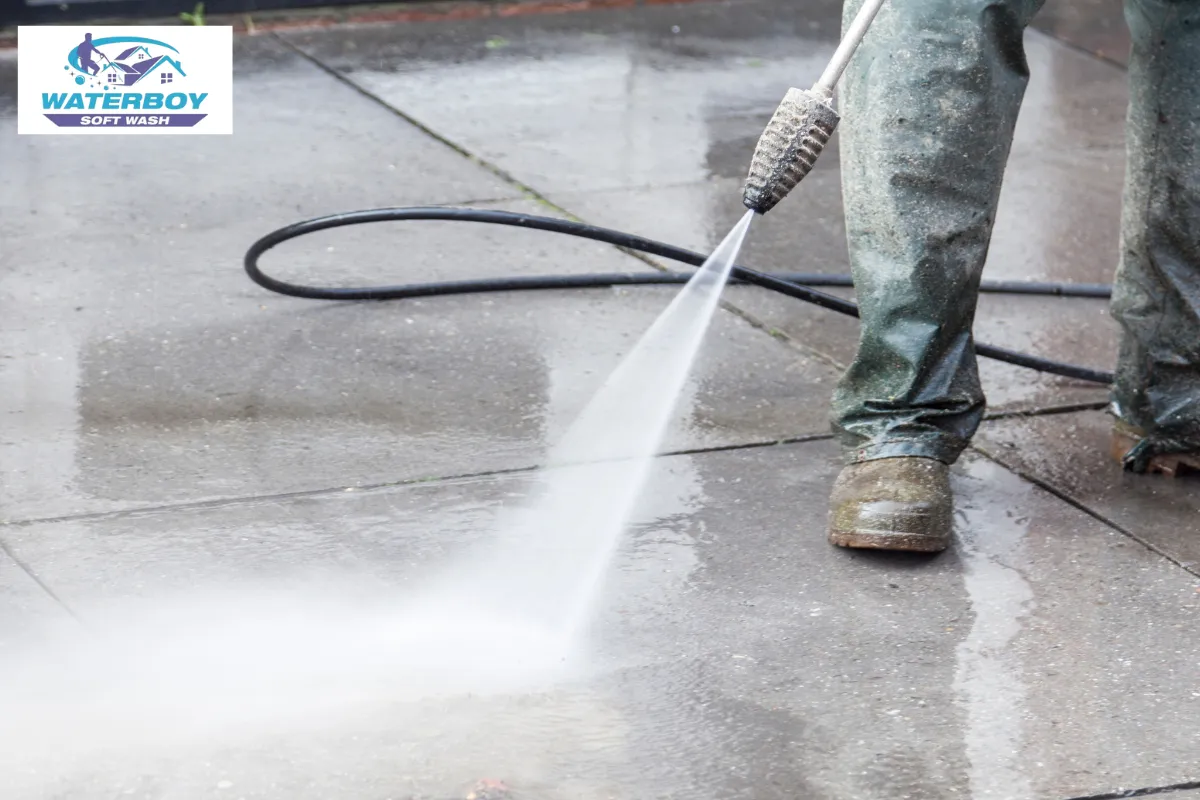
A common mistake is turning up the pressure, thinking it will clean better. But too much force doesn’t always mean better results. In fact, it can tear into soft siding, force water behind walls, and cause paint to peel or chip.
Outdoor walls—especially those made from vinyl or wood—aren’t designed to withstand extreme water pressure. High-pressure washing can crack or dent vinyl siding, and pressures over 1,500 PSI can damage various surfaces. Water can also be pushed into the layers beneath the surface, soaking insulation or drywall, which creates ideal conditions for mold growth.
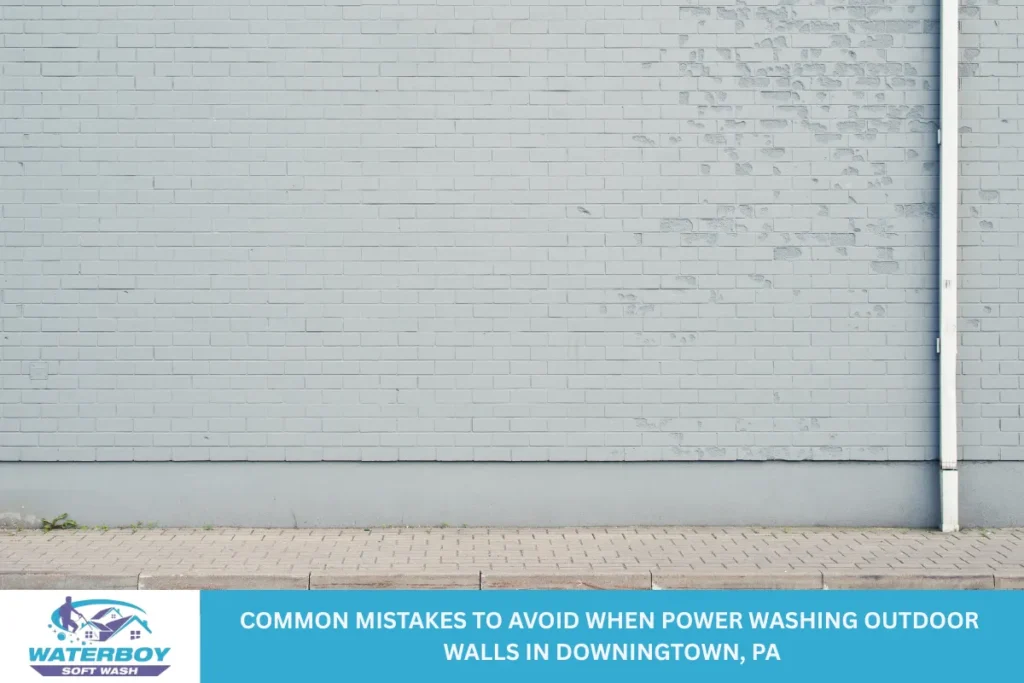
Brick surfaces also face risks. Using standard high-pressure streams (1,300 to 3,000+ PSI) on older brick walls can strip their protective outer patina, eroding mortar and causing water intrusion. While bricks themselves are tough, the mortar between them can erode under excessive pressure. Once the joints start deteriorating, water will find its way inside, weakening the structure over time.
Using controlled, moderate pressure is more effective and far safer. It removes surface debris and is especially important for cleaning concrete surfaces, as it helps in removing dirt, stains, and algae without causing damage. The best approach is to start with lower settings and gradually increase only if necessary.
Ignoring the Type of Wall Material Leads to Poor Results
Not all exterior walls respond to pressure washing in the same way. The material matters. Downingtown homes are often built with combinations of vinyl siding, brick, painted wood, and stucco—each requiring a different method.
Vinyl siding can be dented, warped, or even torn apart if the stream is too strong or applied at the wrong angle. Water can also enter the ventilation gaps behind the panels.
Brick walls are sturdy, but aged or cracked mortar is vulnerable to damage. Water pressure can widen gaps, causing structural weakening. Even if the bricks remain intact, you may still need to re-point the mortar joints. Historic bricks in older residential zones are highly porous due to being fired at lower temperatures, making them especially vulnerable to damage from high pressure.
Stucco surfaces are extremely porous and fragile when subjected to high-pressure cleaning. The top layer can be blasted off, exposing the inner mesh or foam underneath. Repairing stucco isn’t cheap.
Painted surfaces often flake or chip when hit directly with a high-pressure stream, especially if the paint is old or weather-worn.
Understanding the nature of each material enables a safer and more efficient cleaning job that effectively removes buildup without damaging the surface. The main goal is to clean effectively while preserving the integrity of each material.
Skipping Surface Inspection Before Power Washing
Power washing without examining the surface first is like painting over a cracked wall—you’re only hiding problems, not solving them. Before cleaning begins, it’s essential to inspect areas that may not withstand pressure.
Cracks, loose paint, signs of moisture damage, mold patches, and even insect infestations should be addressed before you start spraying. Damaged surfaces can allow water to enter where it shouldn’t. Gaps in siding or open mortar lines can serve as entry points for water, allowing it to infiltrate and cause mold, wood rot, or damage to insulation.
Also look for fixtures attached to walls, such as lights, vents, house numbers, or shutters. These should either be removed or protected to avoid accidental damage.
Taking time to inspect your walls before washing not only helps avoid bigger problems and makes the cleaning process much smoother, but also provides security and peace of mind for homeowners.
Choosing the Wrong Nozzle or Tip for the Job
The nozzle at the end of the power washer plays a major role in controlling water pressure and spray width. Each color-coded tip is designed for a specific use:
- 0° (Red tip): Direct, needle-point spray; very dangerous on most surfaces.
- 15° (Yellow tip): A narrow spray for tough stains, such as rust or graffiti, but still aggressive.
- 25° (Green tip): General-purpose cleaning of hard surfaces like brick or concrete.
- 40° (White tip): Gentle spray for softer surfaces, such as siding or painted wood.
- Soap tip (Black tip): Used to apply cleaning solutions at low pressure.
Using the wrong nozzle can result in excessive pressure on fragile materials, uneven cleaning, or failure to remove stubborn grime. It’s not just about power—it’s about control.
For outdoor walls, a 25° or 40° tip is often the best choice depending on the surface condition. The wider spray reduces intensity and makes it easier to clean without stripping paint or breaking materials.
Applying the Spray at the Wrong Angle
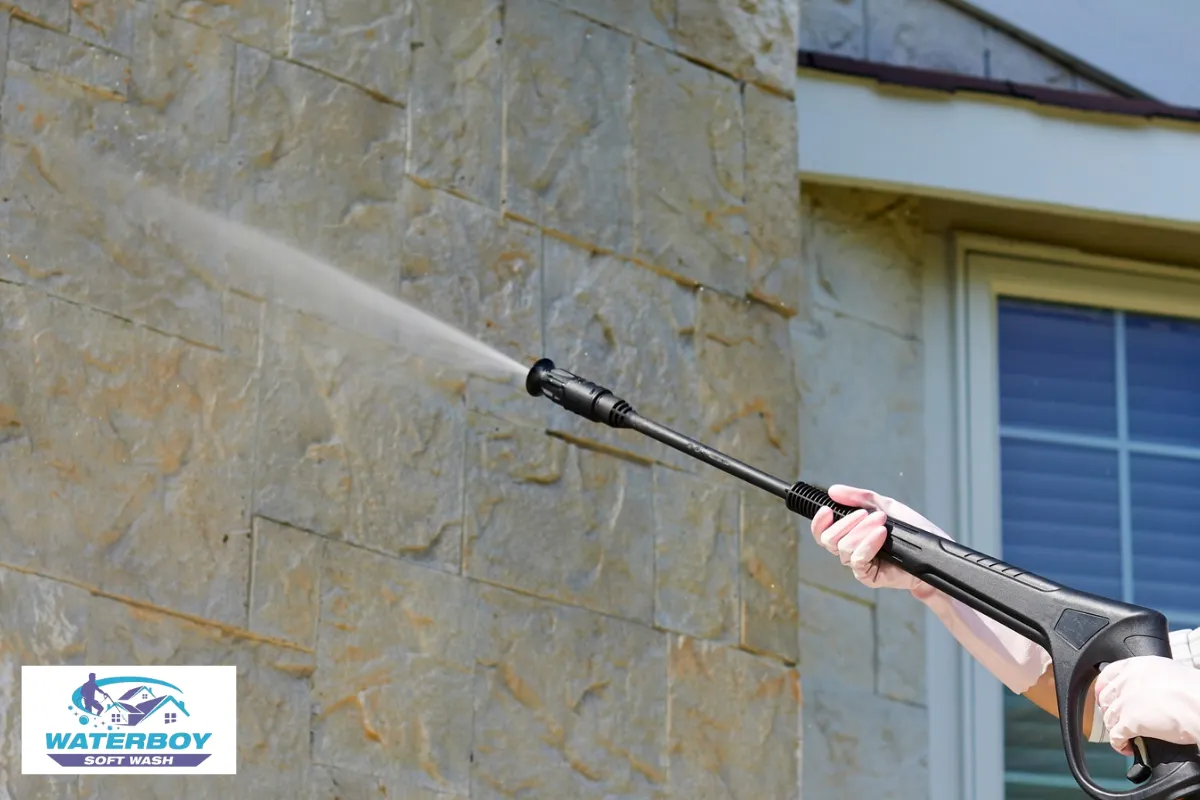
Spray direction may not seem like a significant detail. Still, it makes a major difference in the effectiveness and safety of the process. Spraying directly at the surface, especially at a 90-degree angle, increases the risk of pushing water into gaps, under siding, or behind paint layers. Applying pressure washing techniques incorrectly, such as spraying upwards against siding, can drive water behind panels, leading to rot and mold.
A better technique is to spray at a 45-degree downward angle, which lifts dirt while directing water away from potential entry points. It also reduces bounce-back and minimizes surface damage.
For consistent cleaning, keep your distance steady—typically around 6 to 12 inches from the wall. Too close, and you risk gouging the surface; too far, and the spray loses power. Always be dedicated to using the correct spray angle for both safety and effective results.
Overlooking the Importance of Cleaning Solutions
Water alone isn’t always enough. While power washing does remove a lot of surface dirt, mold, algae, and mildew often need a cleaning solution to break down completely. Using eco friendly cleaning solutions and biodegradable detergents is important to protect your landscaping and comply with local regulations.
Using the wrong cleaner—or skipping it altogether—can result in unsatisfactory outcomes. Some homeowners turn to harsh chemicals, such as bleach or strong cleaning agents like sodium hypochlorite, which can chemically burn and kill surrounding plants if not managed properly, as well as damage landscaping, irritate the skin, or corrode parts of the house.
Look for biodegradable, surface-safe cleaners designed for exterior use. These solutions help clean more effectively, kill mold spores, safely remove algae, and reduce the need for higher pressure.
Pre-soaking with detergent also allows for a more even clean and prevents staining when the surface dries.
Power Washing in the Wrong Season or Weather
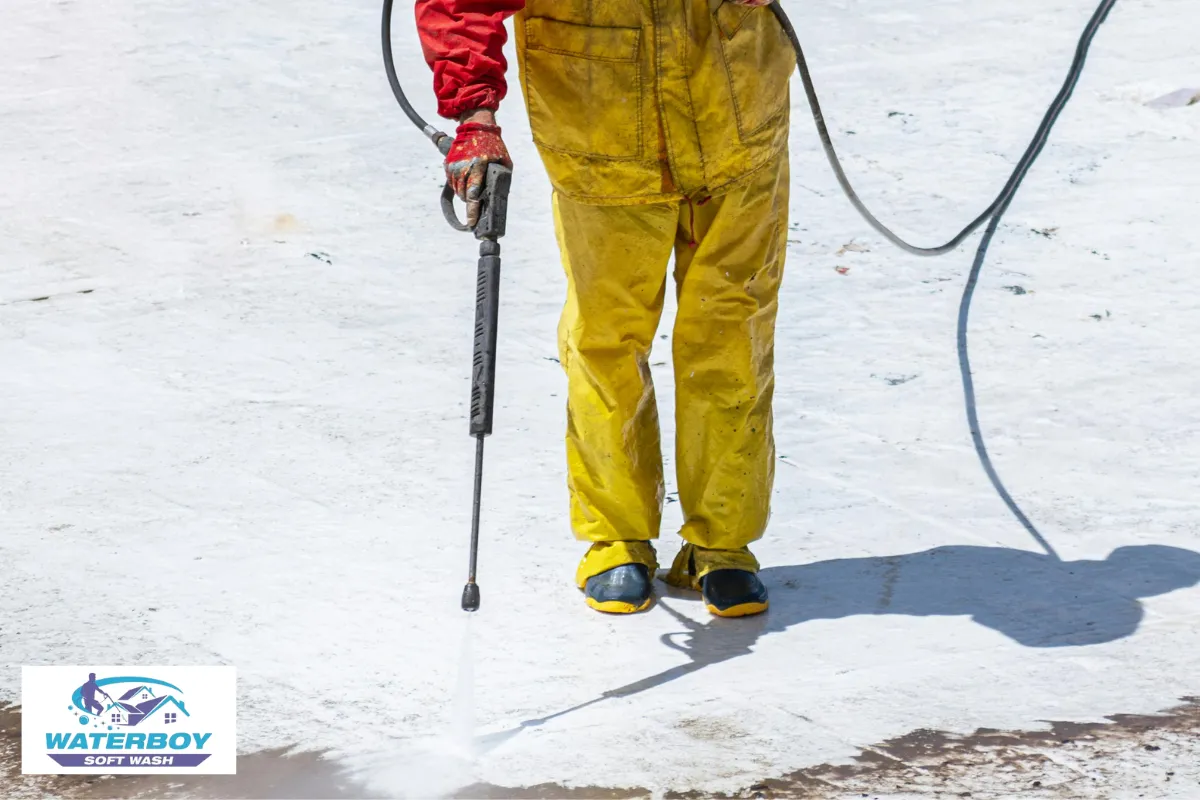
Weather conditions impact how power washing works and the rate of surface drying. Timing the job poorly can result in patchy results, prolonged drying times, or even surface damage.
On hot, sunny days, cleaning solutions can dry too quickly, leaving streaks on surfaces. The surface may also become too hot, especially on darker walls, making the task more challenging to manage.
On cold days, water can freeze quickly, especially on porous surfaces, which can lead to cracks or structural damage. Wet surfaces are also more slippery, increasing the risk of accidents. It’s important to schedule power washing when temperatures are above freezing, as water can refreeze on surfaces and cleaning solutions may not work effectively in extreme cold.
Windy weather can blow detergent into plants or windows, creating extra cleanup work.
Spring and late summer are the most popular times to schedule exterior cleaning in Pennsylvania, including patios, as these seasons help remove buildup from winter and summer humidity. The ideal time to power wash in Downingtown is during spring or early fall, when temperatures are moderate and conditions are stable.
Not Protecting Nearby Areas During Washing
The force of a pressure washer can affect more than just your walls. Plants, windows, outdoor furniture, grills, and vents can all be damaged if not properly shielded.
Water mixed with detergents can splash onto shrubs or grass, potentially damaging the greenery. Loose gravel or mulch may get blown around, while outdoor decor could be knocked over or stained.
Before starting, it’s important to:
- Cover delicate plants with plastic sheeting.
- Remove or secure outdoor items.
- Tape over vents or light fixtures.
Taking these simple steps helps avoid additional cleanup and keeps everything in place during the job.
Power Washing Too Often
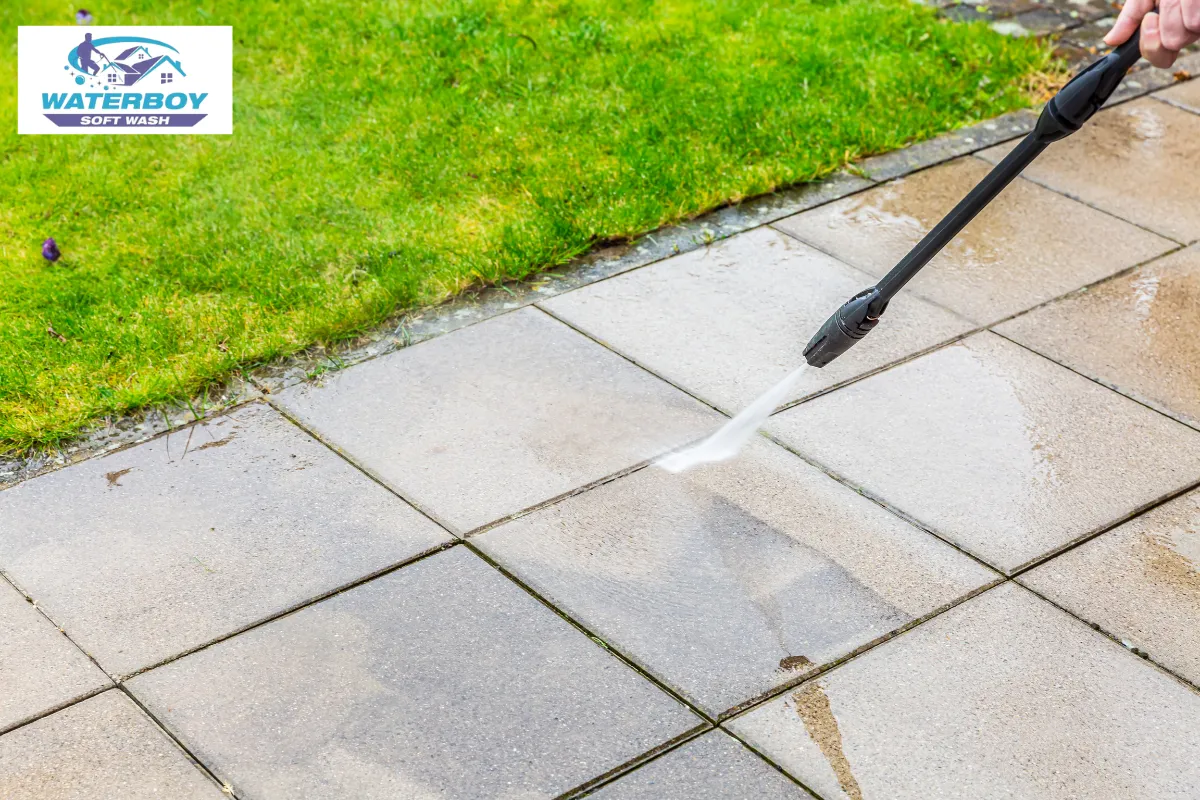
Even though it’s a great maintenance tool, power washing shouldn’t be done excessively. Every wash wears down your surfaces a little more. Over time, excessive cleaning can reduce the lifespan of paint, siding, or mortar.
For most homes in Downingtown, one general exterior cleaning per year is sufficient. Heavily shaded areas or walls exposed to high moisture may require an extra wash, but always inspect them first before deciding.
A balanced cleaning schedule prevents buildup while avoiding premature wear and tear.
Final Thoughts on Getting Power Washing Right
Power washing outdoor walls may look like a simple job, but as we’ve covered, there’s much more to it than pointing and spraying. Using the wrong technique, ignoring material types, or skipping inspections can create serious damage to your home’s exterior. Great service and customer satisfaction are achieved by protecting the home’s exterior, ensuring it remains attractive and structurally sound.
By paying attention to the equipment, surface conditions, and local weather, you can avoid costly mistakes and get a result that looks clean, polished, and professional. Keeping outdoor walls in good shape isn’t just about appearances—it helps protect the structure beneath from moisture, mold, and long-term wear.
A proper understanding of power washing ensures your walls stay cleaner, stronger, and better protected throughout the year. Power washing outdoor walls requires avoiding technical mistakes to protect property value and prevent material degradation.
Downingtown Power Washing – Water Boy Soft Wash
Water Boy Soft Wash is a dedicated, professional washing company and power washing company serving Chester County, Downingtown, West Chester, and surrounding areas. We provide trusted power washing services for both residential and commercial properties, including house washing, roof cleaning, concrete cleaning for driveways and walkways, patios, and sealing to protect outdoor surfaces. Our team specializes in cleaning a variety of surfaces such as vinyl, brick, stucco, painted walls, and concrete surfaces, using effective methods tailored to each material to avoid damage and ensure thorough results.
We are fully licensed and insured, so you can have peace of mind knowing you’re protected from any liabilities during the job. Our main goal is customer satisfaction and great service for all our customers, and we encourage you to look for detailed customer reviews that highlight our professionalism, experience, and results. We use eco-friendly cleaning solutions and advanced equipment to safely remove dirt, mold, algae, and stains, providing professional exterior cleaning that enhances your property’s appearance and longevity.
Our comprehensive services also include soft washing for delicate areas, roof and gutter cleaning, window washing, expert deck staining, and sealing for patios and walkways. We understand that Downingtown’s unique climate and historical architecture require specific exterior maintenance precautions, and our company uses different methods for different surfaces to ensure safe and effective cleaning.
Contact us today or request a free quote for your next exterior cleaning project—our team makes communication easy and is dedicated to delivering the best results for your property. To get started, call us at (610) 812-7378!
Frequently Asked Questions About Power Washing in Downingtown, PA
1. How often should outdoor walls and surfaces be power-washed in a humid climate like Downingtown?
In areas with a humid climate and seasonal rainfall, such as Downingtown, PA, it’s recommended to power wash most outdoor surfaces at least once a year. The frequency can vary depending on the surface type, exposure to sunlight, and the level of dirt. Homes near shaded areas, wooded lots, or busy roads tend to experience more dirt buildup, mildew, and algae growth. These environmental factors shorten the time between cleanings.
Surfaces such as wood decks, concrete driveways, and siding benefit from regular cleanings to maintain both their appearance and structural integrity. Power washing not only enhances curb appeal but also prevents issues such as water damage, mold growth, or paint damage caused by grime buildup. Choosing a professional cleaning service ensures you’re using the correct pressure and cleaning methods for each type of surface, especially when working with delicate materials or Soft Surfaces.
2. Can power washing damage siding or paint?
Yes, improper pressure washing can absolutely damage siding and strip paint. Using a high-pressure nozzle on delicate materials, such as vinyl siding, painted wood, or stucco, can result in permanent damage. The force of water at high pressure can get under the panels, leading to water damage, warping, or mold issues behind the siding. Similarly, damaged paint occurs when too much force is applied to old or improperly sealed surfaces.
To avoid these issues, it’s best to use a low-pressure setting or a medium-pressure nozzle, especially when cleaning the entire exterior wall surface. Professionals adjust equipment quality and use the right attachments to match the surface type. In addition, they apply biodegradable solutions and eco-friendly cleaning agents that help loosen dirt without relying solely on chemical power. That combination allows for gentle cleaning with reduced risk. Always seal windows and inspect surfaces before cleaning to protect from unnecessary damage.
3. What’s the difference between power washing and soft washing?
Power washing and soft washing are both effective tools for cleaning outdoor areas. Still, they differ in velocity, technique, and purpose. Power washing utilizes highly pressurized water to blast away grime, mold, and buildup from tough surfaces, including concrete driveways, brick walls, and metal. It’s ideal for areas that can handle the force, especially when quick cleaning time is a priority.
In contrast, soft washing is a gentle cleaning method. It combines a low-pressure nozzle with specialized biodegradable solutions. This method is better for delicate materials such as wood siding, stucco, shingles, and other Soft Surfaces that can’t withstand intense pressure. Soft washing provides longer-lasting results by killing algae and mold at the root, using eco-friendly cleaning formulas.
Choosing the right method depends on the type of surfaces you’re dealing with. A successful pressure washing job often requires a balance between chemical power, equipment quality, and surface sensitivity.
4. Should I rent a pressure washer or hire a professional?
While renting a pressure washer may seem convenient, hiring professional pressure washing services is often the smarter option, especially for larger outdoor spaces or areas with delicate surfaces. Professionals are trained to understand how to clean different surface types without causing damage. They know when to use a low-pressure setting for soft surfaces and when to apply a medium-pressure nozzle for tough surfaces, such as driveways or sidewalks.
DIY cleaning often leads to common mistakes such as choosing the wrong nozzle, using too much pressure, or underestimating the surface size. There’s also the risk of personal injury if you’re not wearing proper gear. Additionally, professionals use commercial-grade equipment and biodegradable solutions that outperform rental units.
Another advantage is time efficiency. A job that might take hours with rented equipment can be finished faster and more effectively by a team that understands flow rates, equipment quality, and velocity with precision.
5. Can power washing remove oil stains and clean patio furniture?
Yes, power washing is an effective tool for removing oil stains from concrete driveways and restoring the look of patio furniture. It can also remove salt buildup that accumulates on outdoor surfaces, especially after winter, helping to maintain cleanliness and prevent damage. However, it requires the right method. For oil stains, using a chemical power cleaner or degreaser beforehand will help break down the residue. Once loosened, a medium-pressure nozzle can clear the surface without pitting or eroding the concrete. Keep in mind that older stains may require multiple passes.
As for patio furniture, materials like plastic, metal, and certain treated woods respond well to gentle cleaning. A low-pressure nozzle and eco-friendly cleaning solution are recommended to avoid scratching surfaces or stripping protective coatings. For wooden furniture, always test a small area first to ensure the finish is suitable.
It’s essential to consider the quality of the equipment, the type of nozzle, and the item’s finish. Using excessive pressure on delicate chairs or tables can cause irreversible damage. A targeted, careful approach ensures long-lasting results across all outdoor spaces.
Read more: Benefits of Hiring a Local Power Washing Expert for Brick and Stone in Downingtown, PA