


Keeping your home in good shape means paying attention to the details, and exterior cleaning is crucial, especially in a place like Downingtown, Pennsylvania. Many homeowners clean the outside of their homes with the best intentions, but simple mistakes can lead to long-term damage or result in wasted time and money. To make sure your efforts are worth it, it’s important to know what not to do.
In this comprehensive guide, we’ll explore the most common exterior cleaning mistakes seen across homes in Downingtown. Whether you’re planning a seasonal refresh or tackling built-up grime, understanding these errors can help you avoid damage and keep your property looking its best year-round.
Using Too Much Water Pressure on Sensitive Surfaces
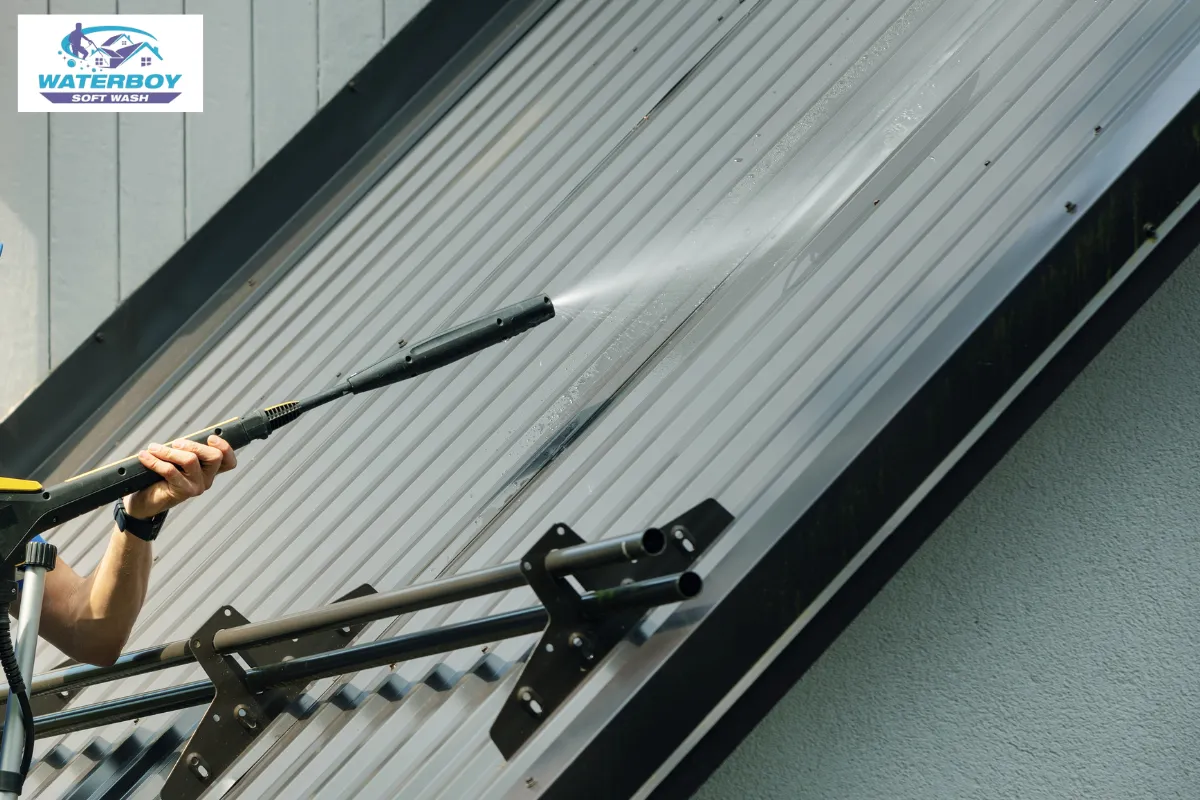
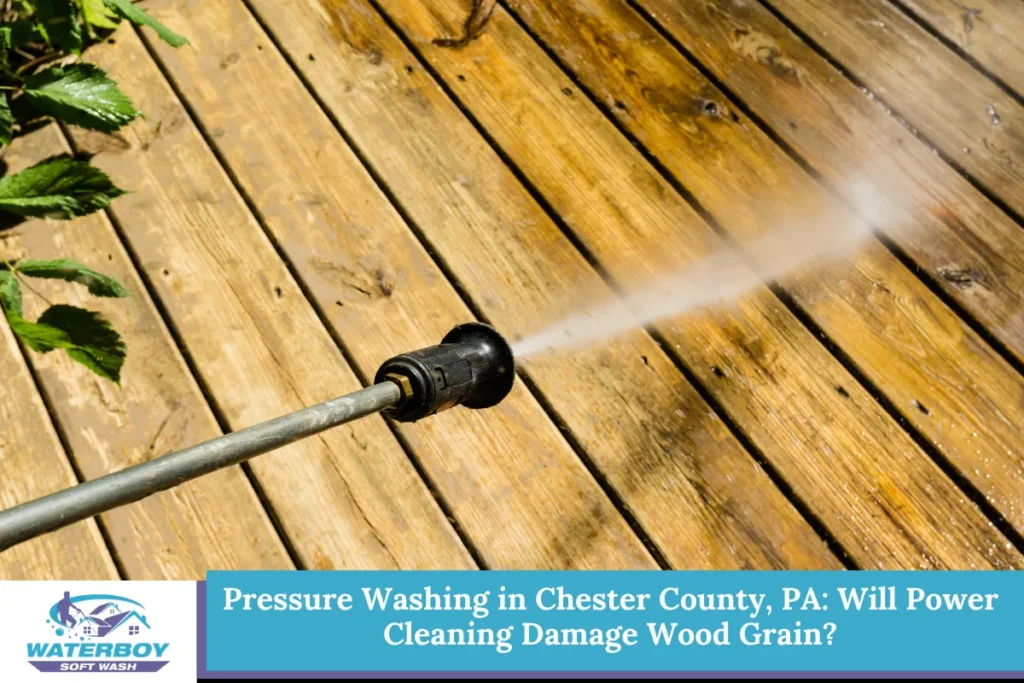
Using a pressure washer might seem like the fastest way to blast away dirt, but not all surfaces can handle it. Applying too much pressure can actually cause serious damage, especially to materials commonly found in residential homes.
Why High Pressure is Harmful
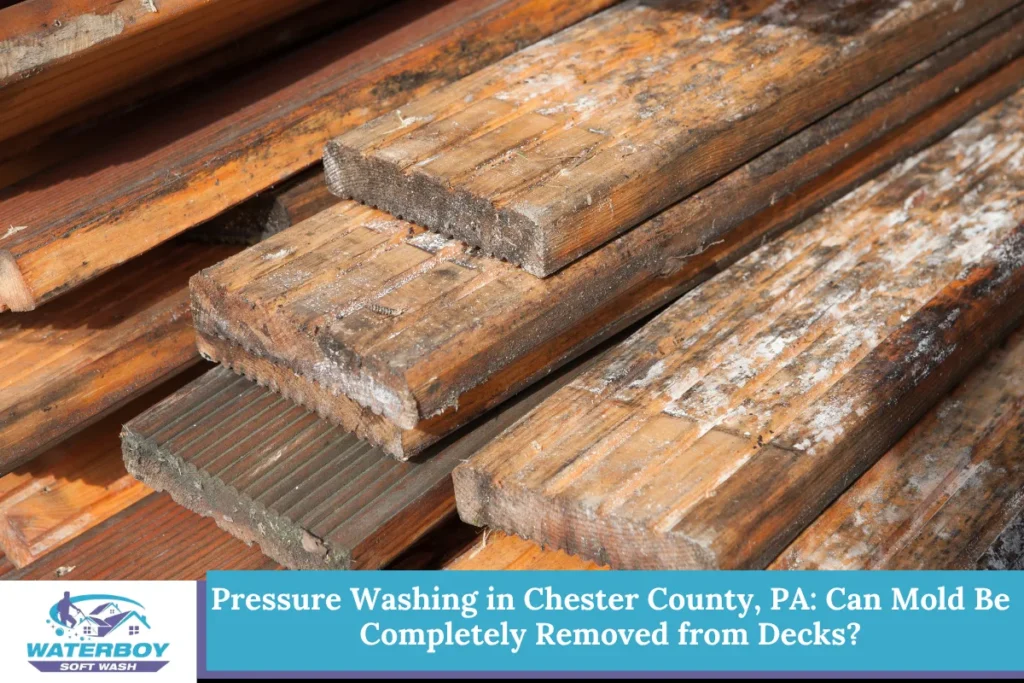
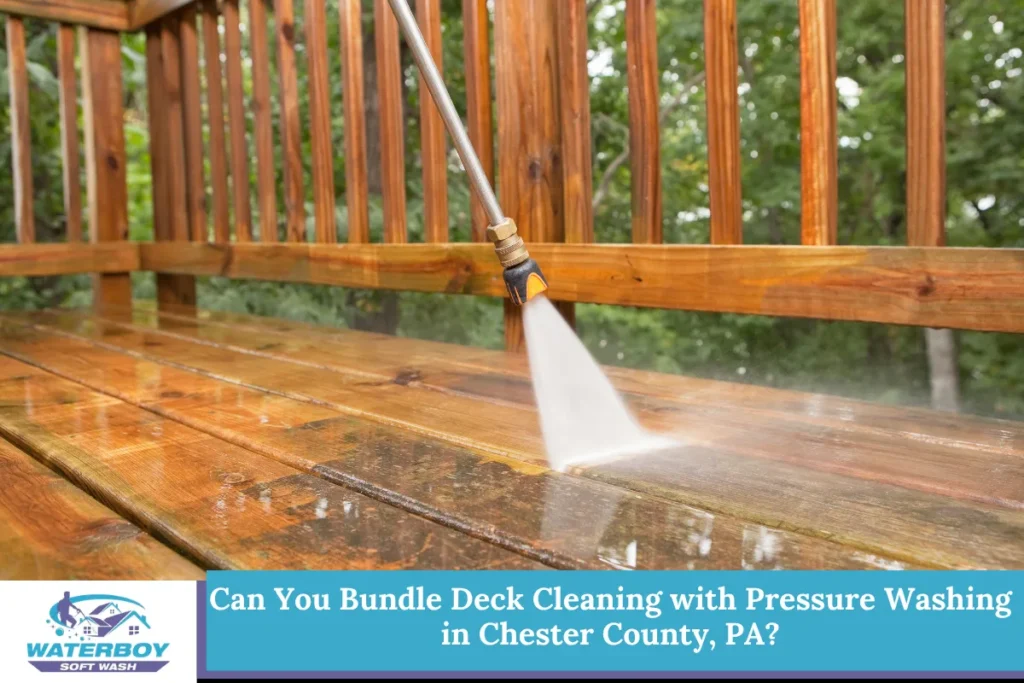
High-pressure washing can strip paint, break seals, and even crack or dislodge materials. For example, vinyl siding may crack, shingles may loosen, and wood can splinter. Even brick and concrete can wear down over time with repeated, overly aggressive washing.
What to Use Instead
Soft washing is the safer and more effective method for cleaning delicate surfaces. It uses a low-pressure stream combined with cleaning solutions to gently remove dirt, algae, and mildew without causing harm. For homes in Downingtown where humidity can lead to algae growth, soft washing is both a safe and efficient option.
Not Adjusting Cleaning Methods for the Climate

Downingtown experiences a variety of weather patterns throughout the year—from wet, humid summers to freezing winters. These conditions encourage the growth of mold, algae, and mildew, especially on the shaded sides of buildings.
How Climate Impacts Cleaning Needs
Homes in this region require different cleaning methods based on the season. For instance, a dry-weather stain remover might not be as effective in humid conditions, and cold-weather cleaning can lead to dangerous ice patches. Overlooking the local climate leads to ineffective results and can even increase safety hazards.
Seasonal Adjustments
Planning your cleaning routine around the weather is key. In spring and early fall, conditions are usually ideal for deep cleaning. During these times, mold and mildew can be safely removed before they spread or settle in for the season.
Using the Wrong Cleaners for the Job
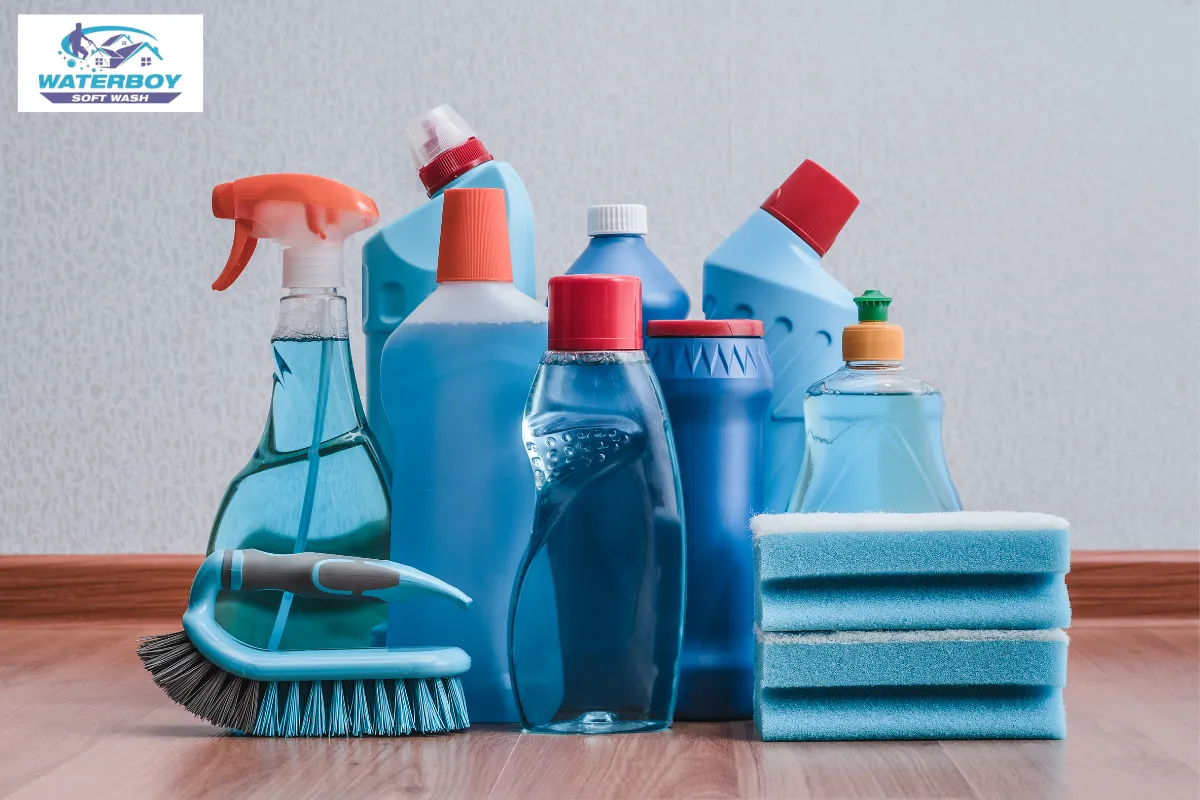
All-purpose cleaners might be convenient, but they’re not always safe or effective on every surface. In fact, using the wrong product can cause discoloration, corrosion, or permanent stains.
Examples of Poor Product Choices
Bleach, for instance, is sometimes used to kill mold and mildew, but it can damage plants, erode surfaces, and harm the environment. Ammonia-based cleaners can break down certain sealants or finishes. Using oil-based cleaners on concrete or stone may also leave a slick residue that attracts more dirt.
Choosing the Right Cleaner
For most exterior surfaces, pH-neutral and biodegradable products are the safest. These not only protect your home’s materials but also your landscaping and groundwater. Before applying anything, it’s a good idea to test on a small area or consult product guidelines that are appropriate for your material type.
Forgetting to Clean Gutters and Downspouts
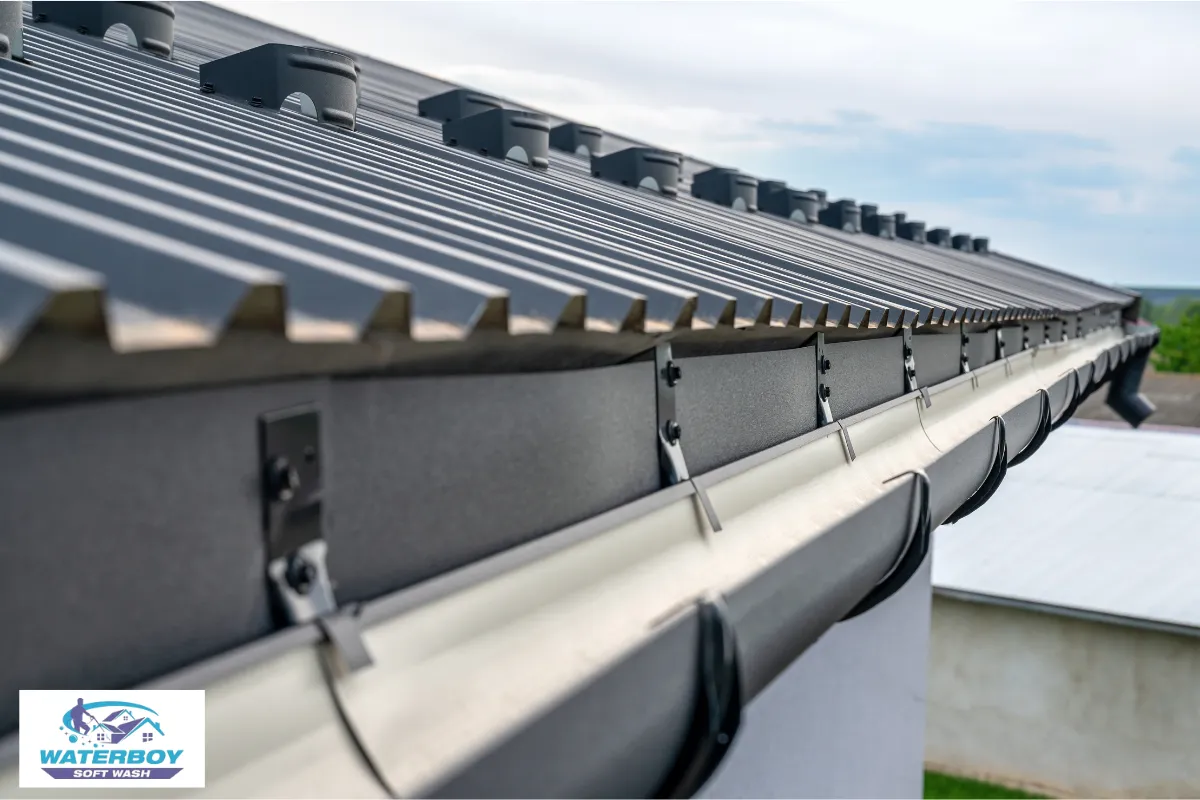
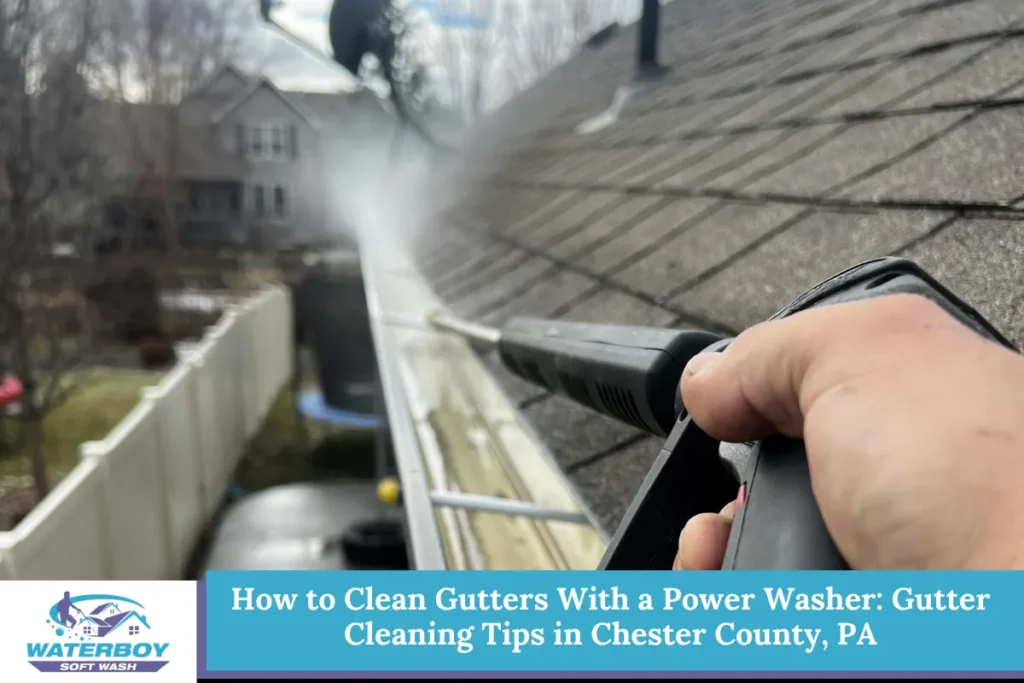
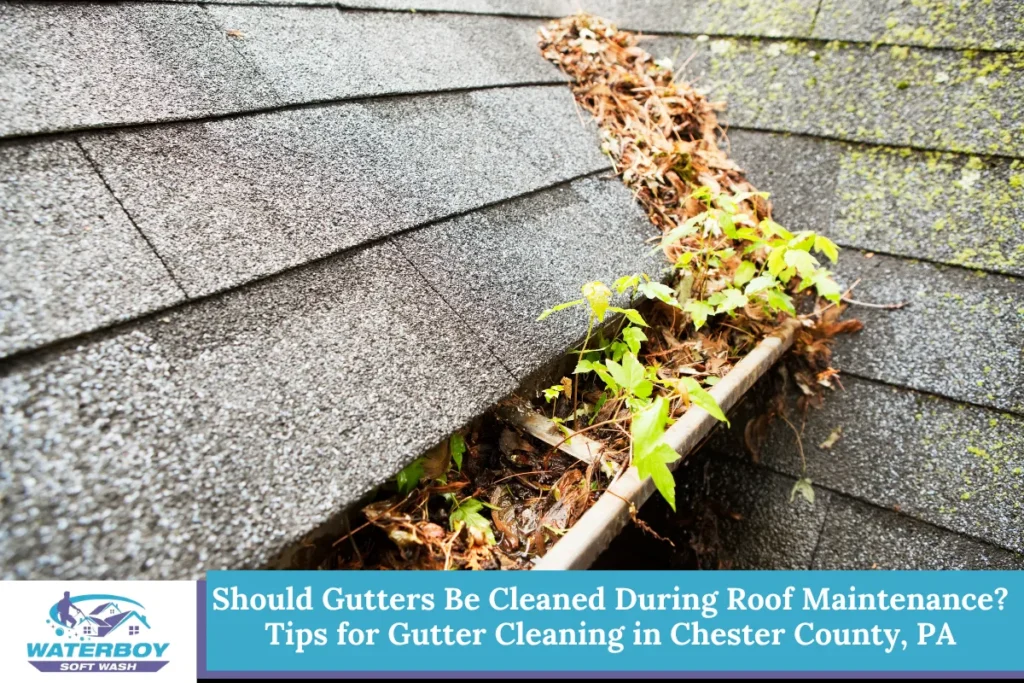
Gutters are a major part of a home’s water management system, but they’re often overlooked. In Downingtown, falling leaves in autumn and pollen buildup in spring can quickly clog them, leading to overflow, roof damage, and even foundation problems.
Consequences of Clogged Gutters
When water can’t drain properly, it overflows and may soak into walls, window frames, and landscaping. This can lead to water stains, wood rot, or soil erosion near the base of the home.
Regular Gutter Maintenance
Gutters should be cleaned at least twice a year—in late spring and again in late fall. Downspouts should also be flushed out to prevent blockages. Installing gutter guards can reduce maintenance needs, but periodic checks are still necessary.
Cleaning During Inappropriate Weather
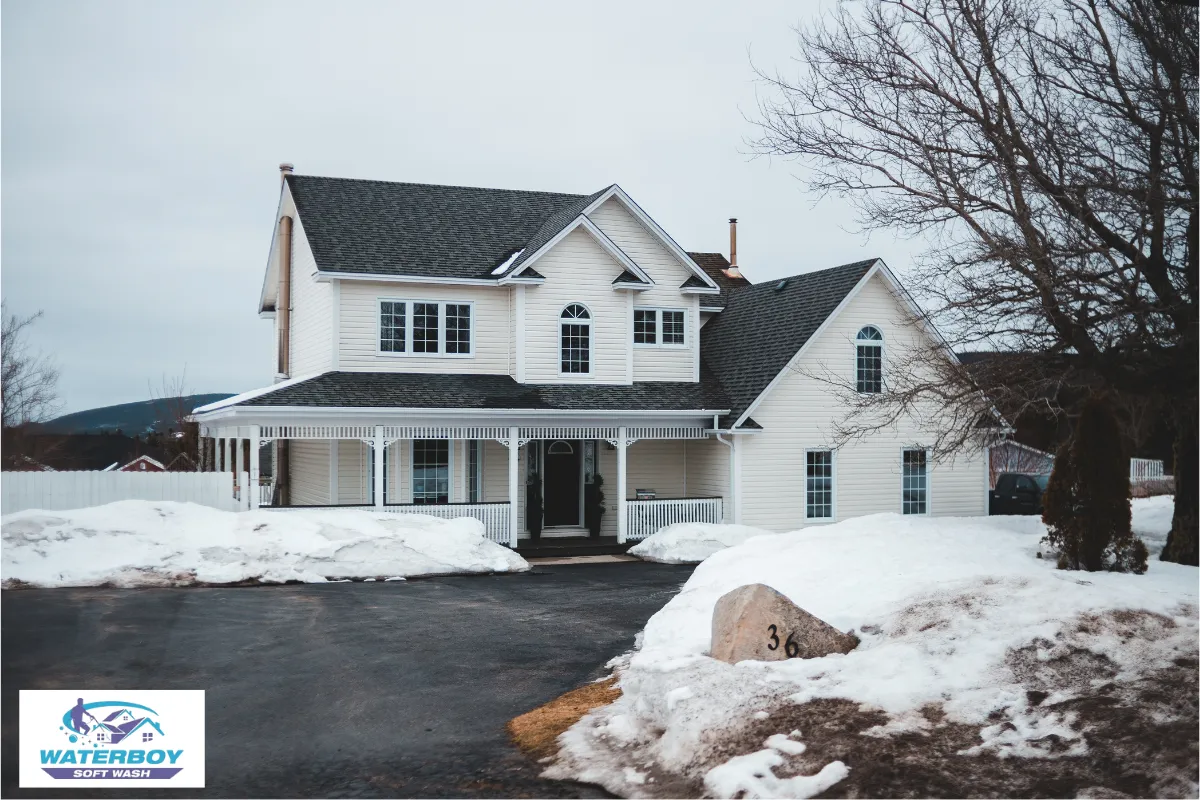
Timing matters when it comes to cleaning, and many people overlook the impact of weather conditions on cleaning effectiveness.
Why Timing Is Important
Cleaning on a hot, sunny day can cause soaps and detergents to dry too fast, leaving streaks or stains. Cold days, especially in winter, can cause water to freeze, making surfaces slippery and dangerous. Rainy weather can wash away cleaning solutions before they’ve had time to work.
Best Conditions for Cleaning
Choose overcast, mild days with a moderate temperature. This allows the cleaning solution to settle and rinse off naturally, without damage or waste.
Skipping Safety Measures
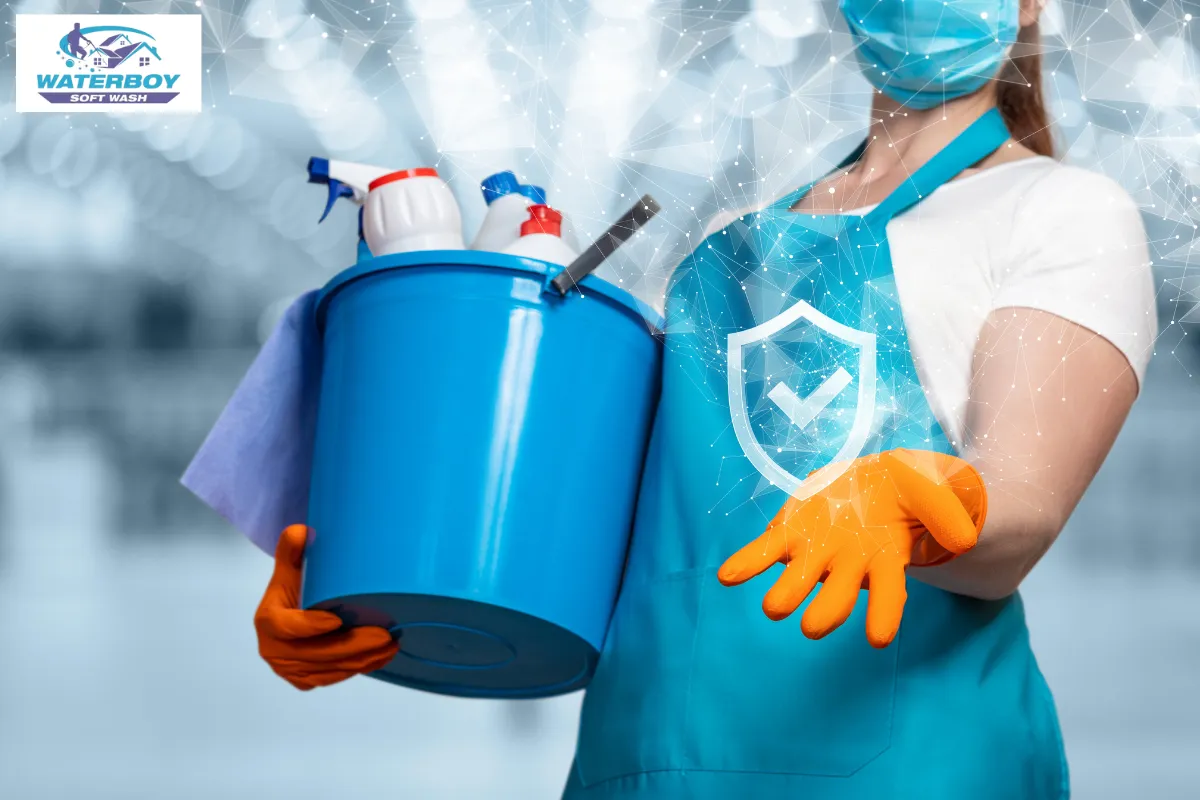
Cleaning the outside of your home often involves ladders, hoses, and chemicals—all of which come with risk. Ignoring safety can result in injuries or property damage.
Common Oversights
Slippery decks, unstable ladders, and mishandling cleaning products are among the top dangers. Protective gear like gloves, eye protection, and non-slip shoes is often forgotten but essential.
How to Stay Safe
Plan. Clear the area of trip hazards, check that ladders are secure, and make sure pets and children are out of harm’s way. If a job requires climbing or using unfamiliar equipment, consider professional help.
Overlooking Routine Maintenance
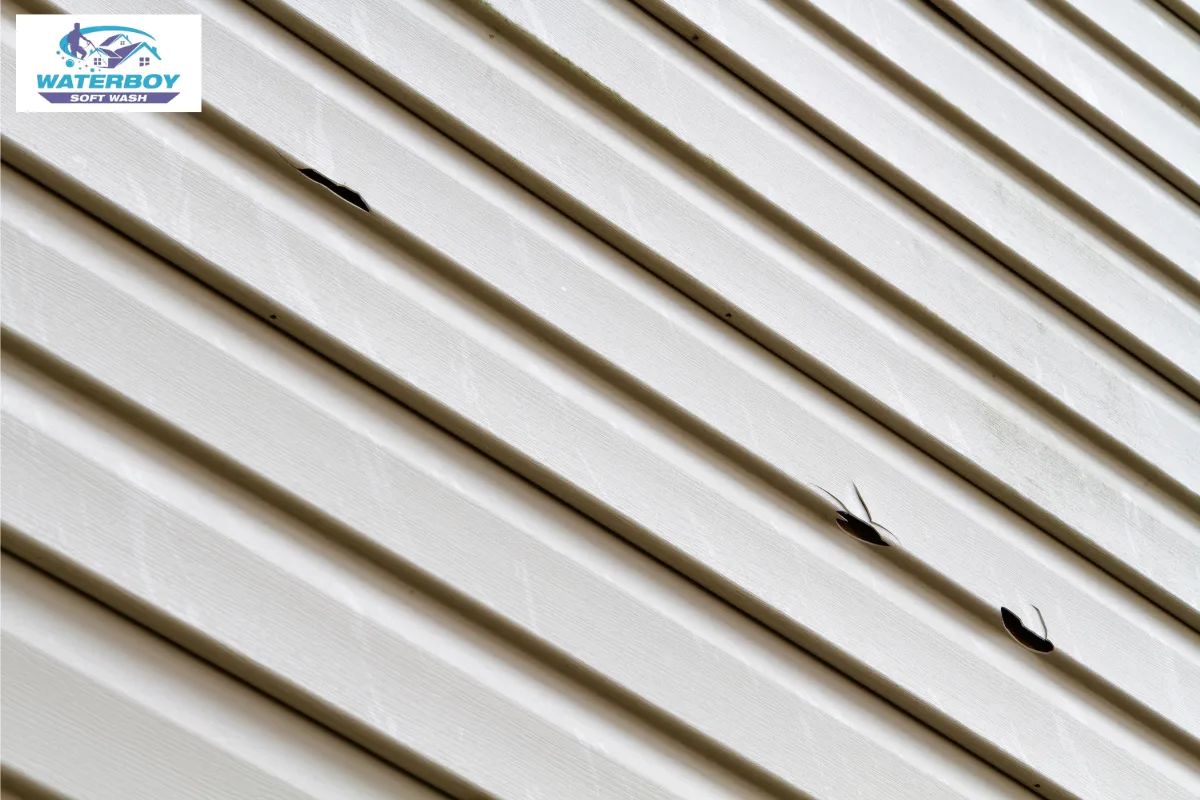
One of the biggest mistakes is assuming that one major cleaning is enough. Without routine maintenance, dirt and grime build up quickly—especially in Downingtown’s damp environment.
How Regular Care Helps
A simple routine can extend the life of your siding, deck, and walkways. Routine cleaning prevents mold, preserves finishes, and reduces the risk of permanent staining.
A Suggested Maintenance Schedule
- Monthly: Spot clean entryways and walkways.
- Seasonally: Soft wash siding, decks, and driveways.
- Biannually: Deep clean roofs and gutters.
Even light, routine maintenance saves time and money over the long term.
Skipping Pre-Treatment of Stains
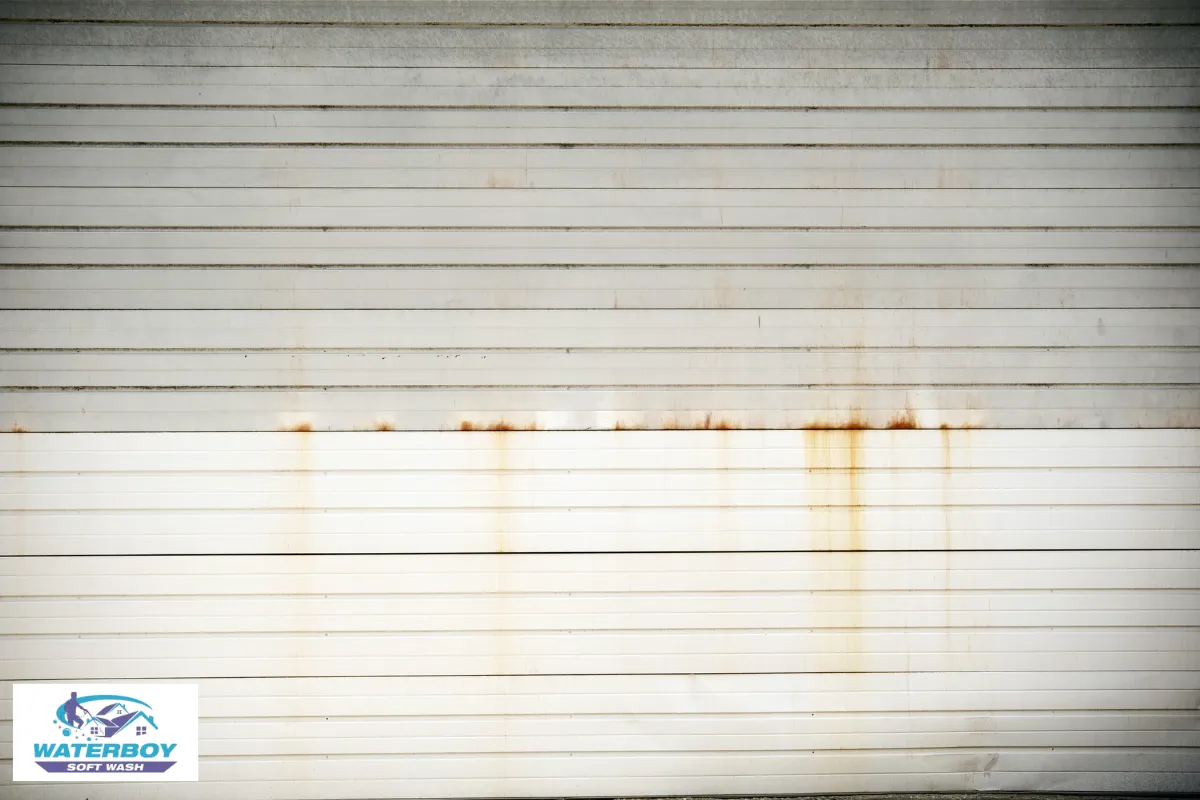
Some stains are stubborn and require more than just water and soap. Jumping straight into rinsing without treating tough spots first is a waste of effort and resources.
The Role of Pre-Treatment
Whether it’s oil on a driveway, rust on a fence, or algae on the roof, letting the right cleaner soak into the stain before scrubbing or rinsing makes a huge difference.
Proper Technique
Apply a targeted stain remover and let it sit according to the instructions. Use soft brushes for delicate surfaces and power tools only where appropriate. This method reduces the need for repeat cleaning and preserves surface integrity.
Neglecting Landscaping Protection
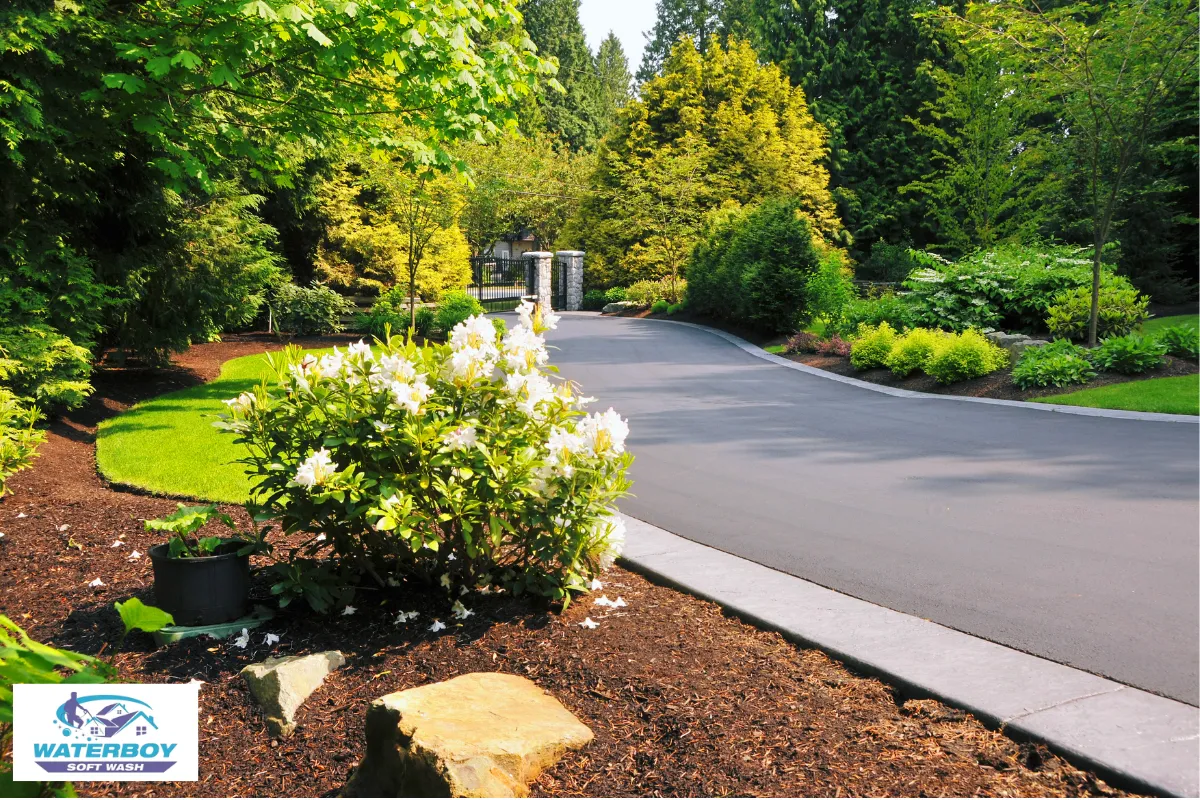
Exterior cleaning products—especially pressure washing or strong chemicals—can damage your yard if used improperly.
Common Landscaping Mistakes
Spraying near flower beds without shielding them, letting runoff soak into the soil, or accidentally stripping bark from trees are all risks when landscaping is unprotected.
Simple Precautions
Before starting, cover plants with plastic or rinse them thoroughly with water to create a barrier. Avoid spraying directly onto grass or mulch. After cleaning, rinse everything again to minimize chemical exposure.
Not Washing Roofs Regularly
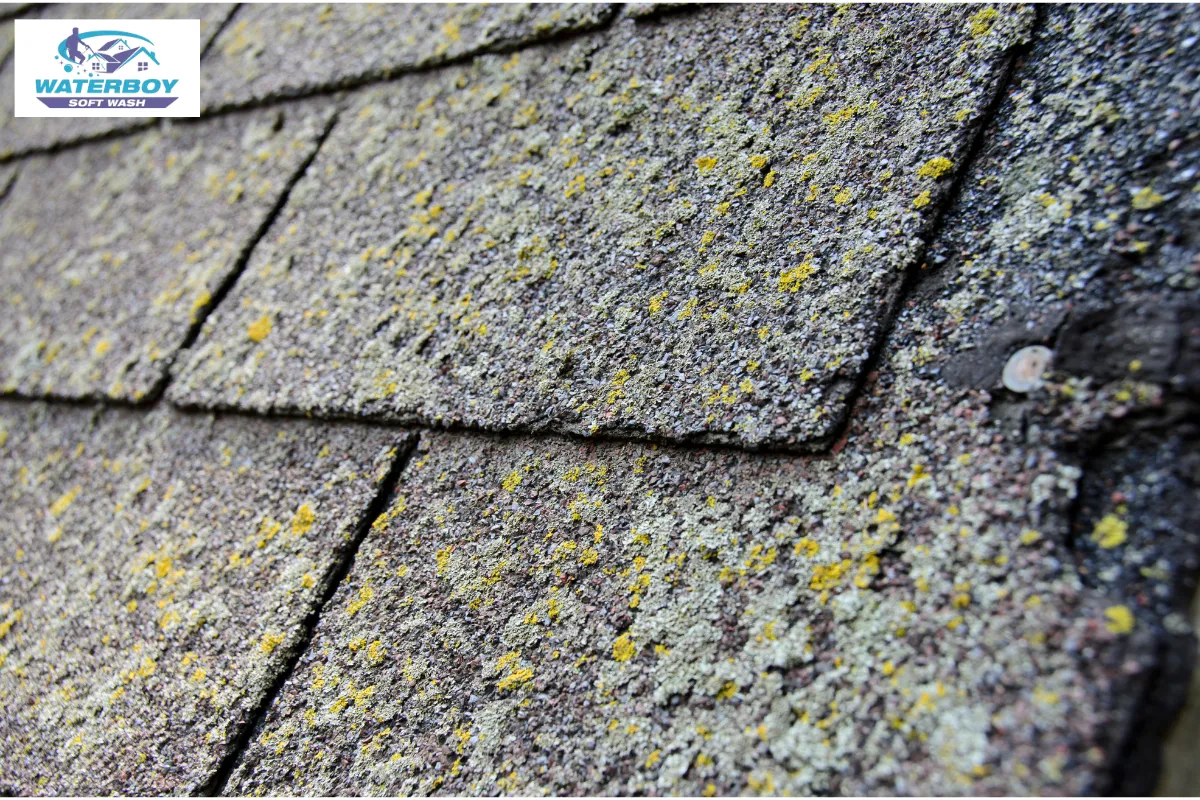
Roofs often go untouched for years, but they’re one of the most exposed parts of the home. In Downingtown, where moisture encourages moss and algae, neglecting roof care is a mistake.
Why Roof Cleaning Matters
Organic growth traps moisture and breaks down shingles. This can lead to roof leaks, wood rot, and insulation damage inside the home.
Cleaning Your Roof Properly
Use a gentle method, such as soft washing with an algaecide. Avoid walking on the roof if possible, and rinse thoroughly. Once a year is usually enough, but heavily shaded or older roofs may require more frequent attention.
Using Old or Dirty Equipment
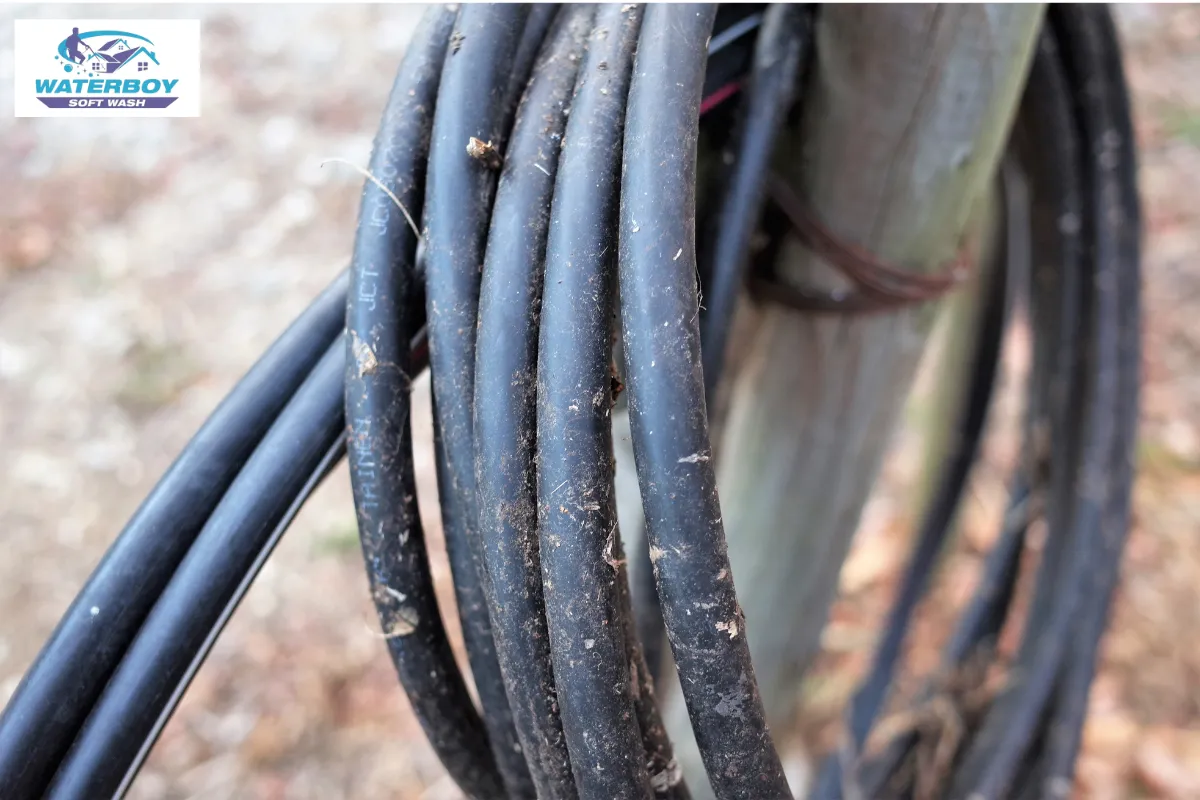
Cleaning with worn-out or dirty tools leads to poor results and can even scratch or damage surfaces.
Why Equipment Quality Matters
Old hoses might leak or have low pressure. Dirty brushes or nozzles can spread grime instead of removing it. If your tools aren’t functioning properly, you’re likely doing more harm than good.
Best Practices
Check your gear before each use. Rinse brushes after every session, replace nozzles that spray unevenly, and store your equipment properly to extend its lifespan.
Ignoring Driveways, Patios, and Walkways
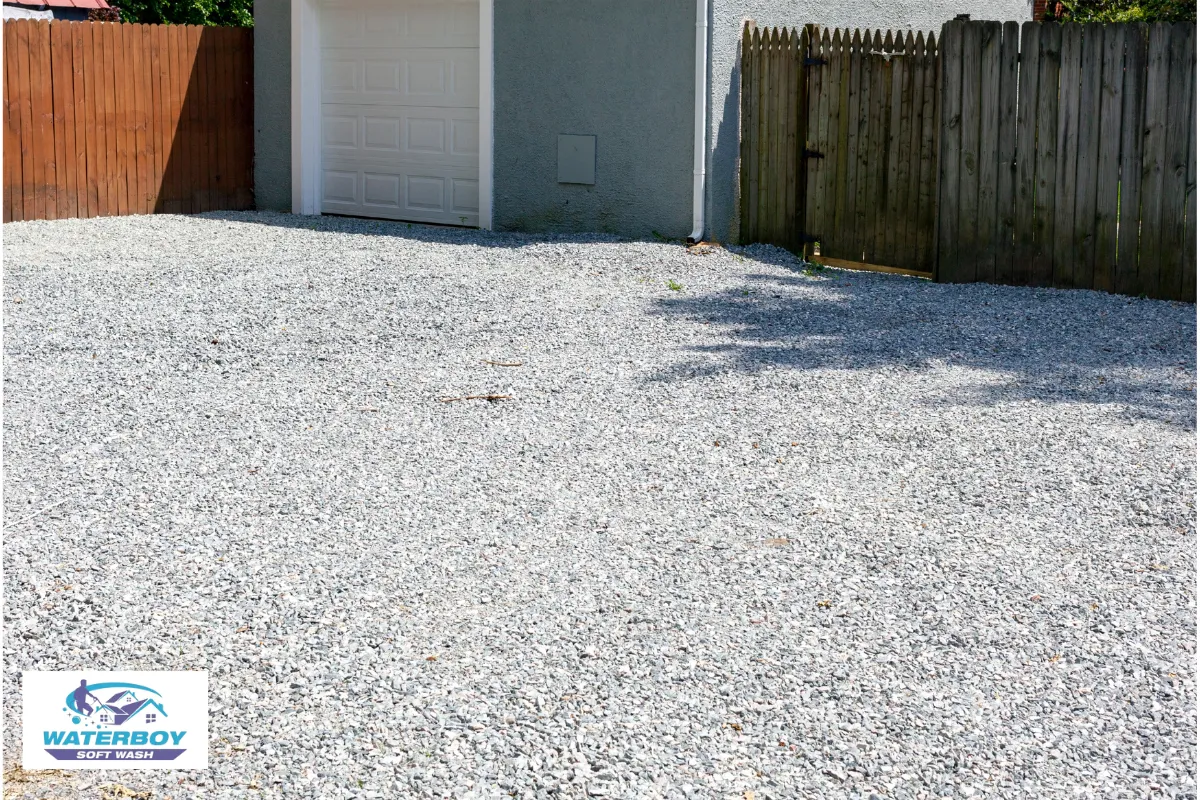
These surfaces face constant use and exposure, yet many homeowners focus only on siding or roofing. Ignoring concrete and stone areas means missing a large part of your home’s appearance and safety.
Why These Areas Need Attention
Moss and algae make walkways slippery. Oil or rust stains make driveways look neglected. Cracks can get worse if dirt and moisture are left untreated.
Regular Surface Cleaning
Use appropriate cleaners for each material, and consider resealing concrete after pressure washing. A clean, safe path boosts both appearance and safety.
Assuming All Cleaners Work on All Surfaces
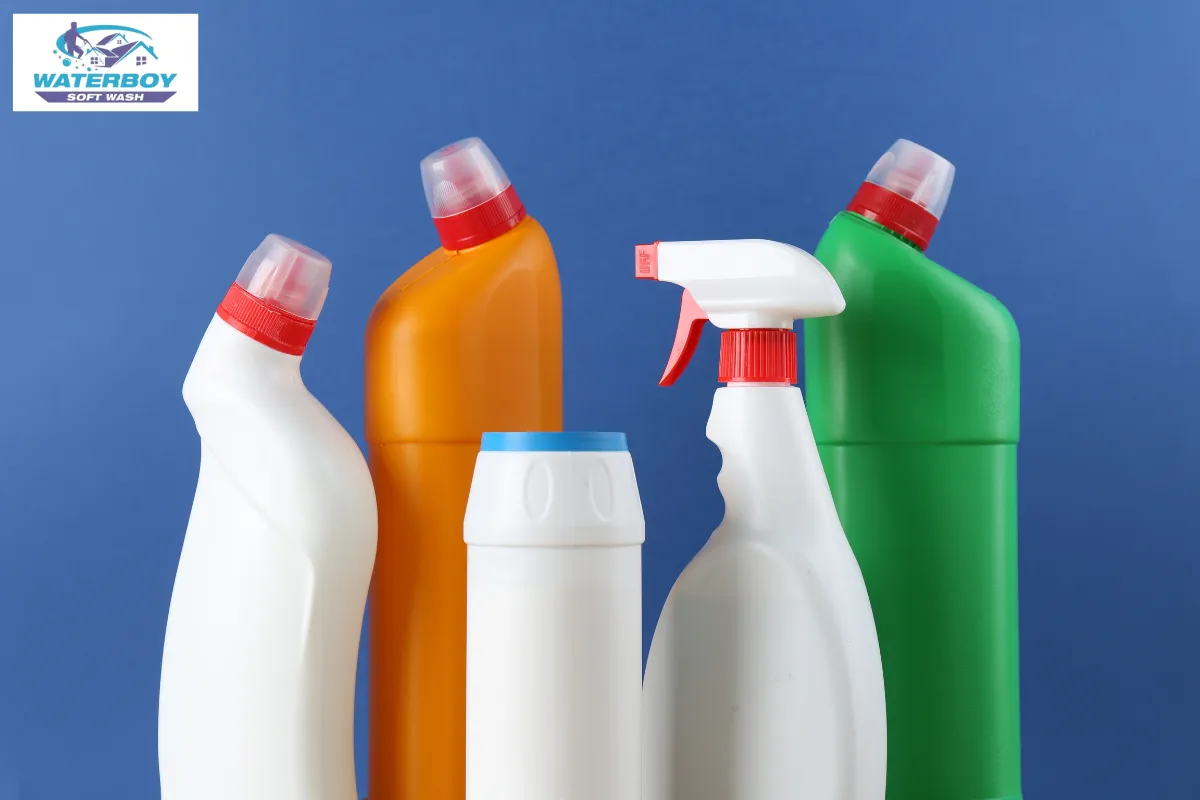
Not all cleaning solutions are universal. Using the wrong one can strip sealants, discolor paint, or harm plants.
Common Mismatches
Using an acidic cleaner on limestone or marble, or using oil-based products on painted wood, can cause damage. Even “all-purpose” cleaners can vary in their actual applications.
Surface-Specific Cleaners
Read product labels carefully. Use masonry cleaners for brick, wood-safe soaps for decks, and non-streak glass cleaners for windows. Tailoring your approach ensures better results and protects your investment.
Smart Exterior Cleaning Means Avoiding Simple Errors
Keeping your home’s exterior clean in Downingtown requires more than just water and effort—it takes the right approach. From adjusting your methods for the local weather to choosing the correct cleaners, even small changes can make a big difference. By avoiding these common mistakes, your cleaning efforts will be more effective and your home will stay in better condition for years to come.
Maintaining your property is a long-term commitment, but it doesn’t have to be difficult. When done right, exterior cleaning improves your home’s appearance, protects its structure, and even enhances safety. With the right tools and knowledge, you can take pride in a home that looks great through every season.
Downingtown Exterior Cleaning – Water Boy Soft Wash
For homeowners in Downingtown who want trusted, thorough results, Water Boy Soft Wash offers top-notch exterior cleaning services tailored to your needs. Using a safe and effective soft washing method, we clean everything from siding and roofs to patios, windows, and walkways—removing grime, mold, and algae without causing any surface damage.
We also offer expert gutter maintenance, roof treatment, and professional deck staining to protect and restore every corner of your property. Our environmentally friendly cleaning solutions keep your surfaces clean and your landscaping safe. To schedule a service or learn more, give us a call today at (610) 812-7378!
Frequently Asked Questions About Exterior Cleaning in Downingtown, PA
How often should I schedule exterior house washing for my home in Downingtown?
For most homes in Downingtown, exterior house washing should be scheduled at least once per year. This helps preserve curb appeal, prevent moisture problems, and reduce the buildup of mold spores and dirt. However, certain conditions may call for more frequent cleanings:
- Homes with heavy tree coverage may need washing twice a year.
- Properties near construction zones or dusty roads may collect more debris.
- Buildings with concrete surfaces or wood decking exposed to rain and shade are more prone to mildew.
Seasonal upkeep is especially important after spring pollen and fall leaf drop. Regular outdoor cleaning prevents long-term damage and improves the appearance of your building’s exterior.
Using the right cleaning agents, along with eco-friendly cleaners or natural cleaning alternatives, ensures safe and effective results. It’s best to consult professionals who understand surface material sensitivity and apply the correct techniques.
What’s the difference between pressure washing and power washing?
Though often used interchangeably, pressure washing and power washing are not the same. Here’s the key difference:
- Pressure washing uses highly pressurized cold water to remove dirt, debris, and stains from exterior surfaces.
- Power washing adds heat to the water stream, making it more effective for tackling oil stains, chewing gum, and deep-set grime on concrete surfaces.
Both methods use high-pressure water streams, but power washing is generally better for heavy-duty cleaning tasks. Still, neither is suitable for all surfaces. Delicate materials like vinyl, painted wood, or shingles can be damaged by both if not handled correctly.
For softer surfaces, exterior cleaning professionals often use soft washing, which relies on gentle pressure and effective cleaning agents. Choosing the wrong method could damage your home’s finish or landscaping.
It’s essential to match the cleaning method with the surface material to protect your property and improve long-term durability.
Is it safe to use a pressure washer on all surfaces around the home?
No, it’s not safe to use a pressure washer on every surface. While it’s ideal for strong, durable materials like driveways, concrete patios, and some types of outdoor furniture, other surfaces can be seriously damaged by high-pressure water streams.
Avoid using high pressure on:
- Wood siding
- Shingles or roof tiles
- Older or weathered paint
- Certain soft stones (like limestone)
Improper use can lead to water spots, splintered wood decking, or even loosened siding panels. When cleaning these areas, soft washing or using eco-friendly cleaners with a brush and hose is safer.
Always read the manufacturer’s recommendations for your surface material, and take appropriate safety precautions. This includes using safety gear such as safety glasses and gloves. If you’re unsure, hiring an exterior cleaning professional ensures the job is done right while preserving the integrity of your outdoor living area.
Why is seasonal maintenance important for decks and patios?
Deck maintenance and patio care are essential for preserving both appearance and safety. Downingtown’s changing seasons bring moisture, pollen, and leaves that settle onto wood decking and concrete surfaces.
This buildup can cause:
- Slippery conditions
- Mold and algae growth
- Faded or stained finishes
Routine seasonal upkeep helps avoid long-term damage, especially for wooden decks, which require deck staining to stay protected from the elements. Unsealed wood absorbs moisture, leading to rot and warping. Likewise, oil stains and debris can permanently discolor patios if not addressed.
Cleaning and sealing in the spring and fall are ideal. These periods prepare your outdoor living area for summer use and winter protection. Using eco-friendly cleaners or natural cleaning alternatives during this process also helps safeguard nearby landscaping.
Making maintenance a habit extends the lifespan of your surfaces and keeps your space ready for relaxing or entertaining year-round.
What safety precautions should I take when doing exterior cleaning myself?
Safety precautions are critical for any outdoor cleaning project, especially when using tools like a pressure washer. High-pressure water can cause injury or property damage if misused. Here’s how to protect yourself:
- Wear safety gear:
- Safety glasses to shield your eyes from flying debris
- Gloves and non-slip shoes
- Long sleeves and pants to protect your skin
- Use equipment properly:
- Never point a pressure washer at people or pets.
- Read the manual before use.
- Keep both feet planted securely when operating the wand.
- Avoid risky surfaces:
- Don’t climb ladders while holding a sprayer.
- Be cautious in wet or mossy areas that may be slippery.
For higher or more delicate exterior surfaces, hiring professionals is the safer route. They carry the necessary safety equipment and are trained in handling various surface materials and cleaning agents safely.
Can pressure washing help with curb appeal for commercial properties?
Yes, pressure washing greatly improves curb appeal for both residential and commercial exterior washing projects. Clean building exteriors, walkways, parking lots, and entryways show that a business takes pride in its appearance. Over time, commercial properties collect:
- Pollution buildup
- Bird droppings
- Chewing gum
- Dirt and algae from foot traffic and landscaping
A clean exterior sets the tone for customers and employees. It also prevents more costly maintenance issues caused by moisture problems, mold, and grime accumulation.
Business owners in Downingtown should schedule regular maintenance to keep exterior surfaces looking professional. This includes sidewalks, signage, and even loading docks. Clean spaces aren’t just more attractive—they’re also safer.
Using appropriate cleaning agents and high-pressure water streams, commercial cleaning specialists can remove stubborn buildup and stains while preserving the integrity of the structure. The result is a polished, well-maintained appearance that reflects positively on the business.
Read more: Professional vs. DIY Exterior Cleaning in Downingtown, Pennsylvania: Which Works Best?