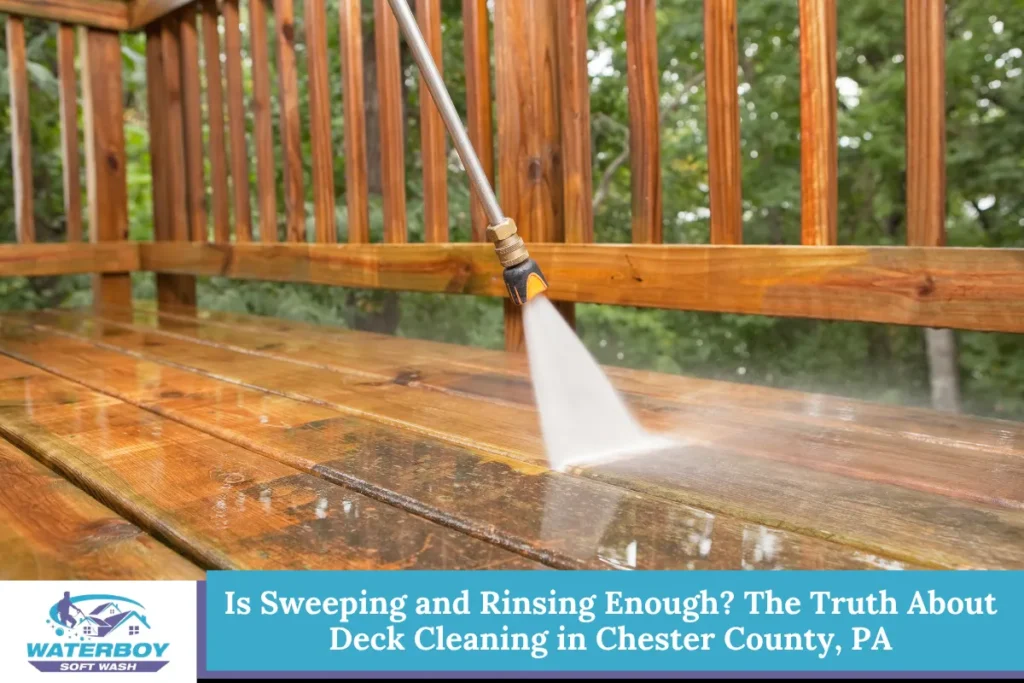



Deck cleaning is one of those tasks that Chester County homeowners know they should handle but rarely feel confident about. You step outside, notice the boards look dull or dirty, and wonder whether a quick rinse will do the trick or whether you are staring at a much bigger job. Neglected decks can develop slippery algae and mildew that turn your favorite outdoor space into a safety hazard, and that gray, worn-out look makes summer gatherings in West Chester or anywhere nearby feel less inviting. The good news is that deciding between a light wash and a deep clean does not require guesswork. This article walks you through the visual signs, practical tests, material considerations, and seasonal factors that tell you exactly what your deck needs and when to call in skilled professionals.
Key Takeaways
- A light wash handles surface dust, pollen, and mild dirt, while a deep clean targets algae, embedded stains, and gray, weathered boards that have lost their original color.
- Natural wood, composite, and older decks each show different warning signs when a deeper service is needed, and matching the method to the material prevents damage.
- Soft washing is usually safer than high-pressure washing decks, especially on wood surfaces exposed to Chester County’s humid summers and freeze-thaw winters.
- Regular cleaning can extend your deck’s lifespan by years and a clean deck improves curb appeal and property value.
- A local professional can inspect the deck and recommend the right level of service to avoid costly mistakes.
Quick Visual Tests: Do You Need a Light Wash or Deep Clean?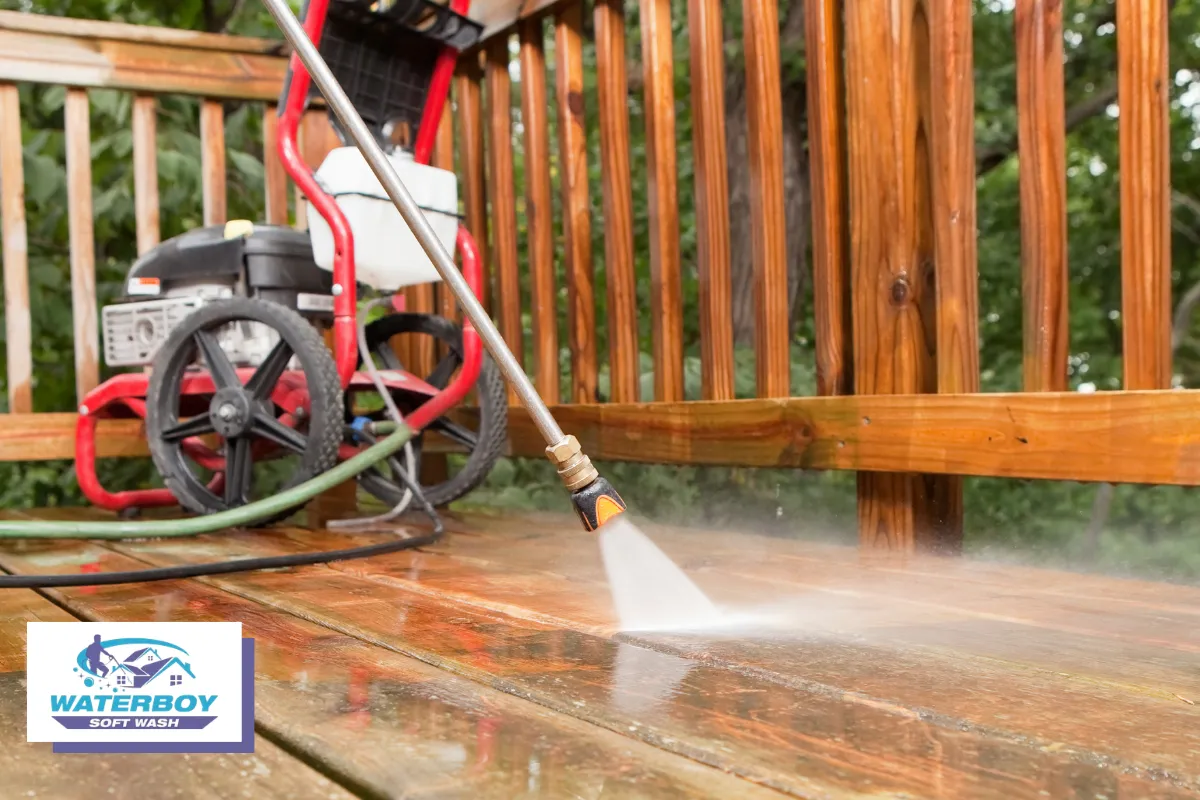
Most homeowners can figure out what level of service their deck requires in just a few minutes. Walk outside during natural daylight, look closely at the boards, and run through these simple checks.
- Try the paper towel swipe. Drag a white cloth or paper towel across several boards. If it picks up yellow pollen or light gray dust but stays relatively clean, a light wash is sufficient when the deck is mainly dusty or lightly dirty.
- Look for biological growth. Visible algae or biofilm on horizontal surfaces, especially green film or black spotting, indicates the need for a deep clean rather than a rinse.
- Feel the surface with your hand or the sole of your shoe. Boards that feel tacky, slimy, or slippery after rain have developed biofilm that sits below the surface layer.
- Check water absorption. Pour a small amount of water on the boards and watch. Water beading on the surface suggests the old sealers may still be effective, meaning a gentle wash is probably enough. If the water soaks in immediately and darkens the wood, deeper work is on the table.
- Inspect high-traffic areas, stairs, and shaded zones separately, because these spots accumulate grime faster than sun-exposed sections.
- As a general rule, if more than half the deck surface shows heavy staining or biological growth, a deep service is the safer choice.
The choice between a light wash and a deep clean depends on deck condition, not on a calendar date alone. Visible stains indicate it is time for cleaning, but what you find during these tests determines how far you need to go.
How Deck Age and Material Affect Your Cleaning Level
Not every deck responds to the same treatment. Age and materials play a major role in deciding whether you need gentle maintenance or a full restoration process.
- A brand new deck under twelve months old usually needs only light attention. The wood is still curing, and aggressive chemicals or high pressure can interfere with stain and sealant adhesion. Stick with a garden hose, mild soap, and patience until the first sealing window arrives.
- Natural wood like cedar, pine, or pressure-treated lumber shows graying, raised grain, and small cracks when it has moved past the light-wash stage. These softer species are particularly vulnerable to damage from high-pressure equipment. Power washing can damage softer wood decks if the PSI exceeds safe ranges. Natural wood decks should be cleaned at least once a year to prevent accelerated weathering. Pressure treated wood decks also need yearly cleaning for maintenance.
- Composite decks made from synthetic lumber or capped boards resist tough wear and do not absorb water the way natural wood does. Composite materials are durable, but organic growth still takes hold in damp, shaded spots between boards. Composite decking requires cleaning two to three times a year because mildew and algae can cling to the textured surface even though the boards themselves resist moisture. Synthetic lumber decks are made from PVC or vinyl materials and generally tolerate slightly higher pressure, but always check manufacturer guidelines before choosing a method.
- Older decks over ten years old with peeling stain, flaking paint, or significant gray weathering are almost always candidates for deep cleaning and restoration before any re staining or sealing work.
- Mixed-material decks that combine wood boards with vinyl rails, concrete landings, or stone steps may require different cleaning levels and chemistry on each surface. What works on pine can harm aluminum or etch patio concrete.
Light Wash Indicators: When a Gentle Cleaning Is Enough
A light wash is exactly what it sounds like: a surface-level refresh that removes everyday buildup without heavy chemicals or aggressive equipment. It keeps things looking fresh between deeper services and is the foundation of good deck maintenance.
Here is when a light wash makes sense:
- The boards show light dust, pollen, faint footprints, or a thin film from grill smoke but no dark blotches, growth, or discoloration.
- Color is still even across most of the deck, and the wood or composite surface looks consistent in shade and tone.
- A light wash removes surface dust and loose pollen using mild soap or water, and in many cases that is all you need to bring back a clean appearance.
- Your deck gets regular cleaning on an annual or seasonal schedule. If you have been maintaining it every spring, surfaces usually just need a quick refresh rather than a deep job.
- Boards that still repel water evenly after a recent seal or stain application rarely require anything more than a gentle rinse and a mild deck cleaner.
A light wash is for routine maintenance and surface cleaning, not for reversing years of neglect. The frequency is periodic and targeted, typically once before peak outdoor season and once after heavy summer use or large backyard gatherings. Decks should be cleaned at least once a year at minimum, even if everything looks fine from a distance.
Deep Clean Warning Signs: When Your Deck Needs Serious Attention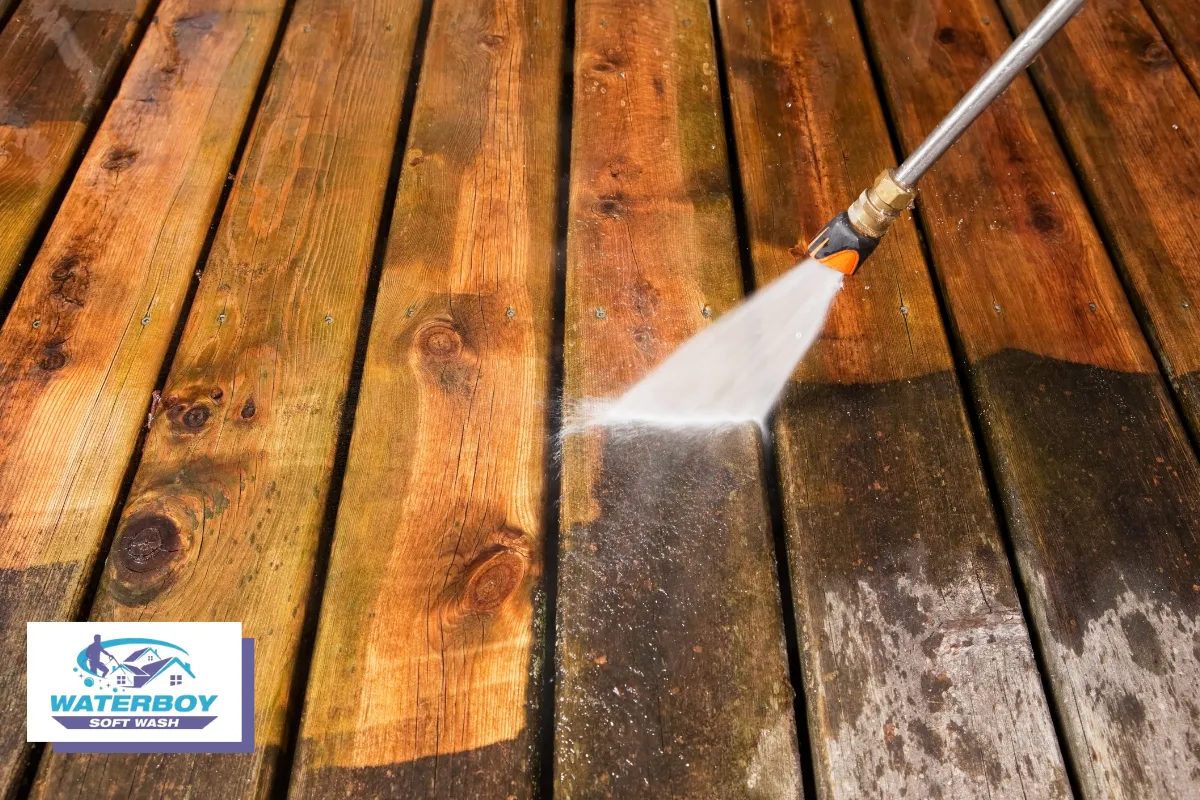
Sometimes a rinse simply will not cut it. If your deck is showing any of the following signs, you are looking at a job that requires targeted detergents, scrubbing, and potentially professional equipment.
- Green or black algae, lichen, and mold spreading across horizontal boards, especially on north-facing or shaded sides. Organic growth like mold and mildew can indicate a need for a deep clean, and ignoring it leads to accelerated deterioration. Algae and mold can cause decks to rot without maintenance.
- Slippery surfaces on steps, walkways, or railings after rain. A deep clean is required for slippery surfaces due to algae or mildew growth because algae and mildew create dangerously slippery surfaces that put your family and guests at risk.
- Gray, weathered boards with splinters, fuzz, or cupping. This kind of wear means UV damage and moisture have penetrated well beyond the surface, and no amount of light rinsing will restore the beauty of the wood.
- Stubborn stains from grills, rusted furniture legs, leaf tannins, or pets that refuse to rinse away. A deep clean utilizes targeted detergents and requires scrubbing to remove embedded grime that has bonded with the wood fibers.
- Soft or punky spots at board ends or around fasteners. These areas need careful assessment during cleaning to avoid making structural problems worse.
- Peeling or flaking finish from a prior stain or sealant. Deep cleaning is necessary to prepare wood for restaining or resealing, because new coatings will not adhere properly over failing old ones.
- A deck that has not been professionally washed in several years. Deep clean frequency is at least once a year or prior to re-staining, and decks that have gone multiple seasons without attention almost always need the full treatment.
Neglecting deck maintenance can lead to costly repairs that far exceed the price of regular professional cleaning. Addressing these warning signs early saves you money and keeps your outdoor space safe season long.
Read Is Sweeping and Rinsing Enough? The Truth About Deck Cleaning in Chester County, PA
Soft Washing vs. High-Pressure Washing: Choosing the Safer Method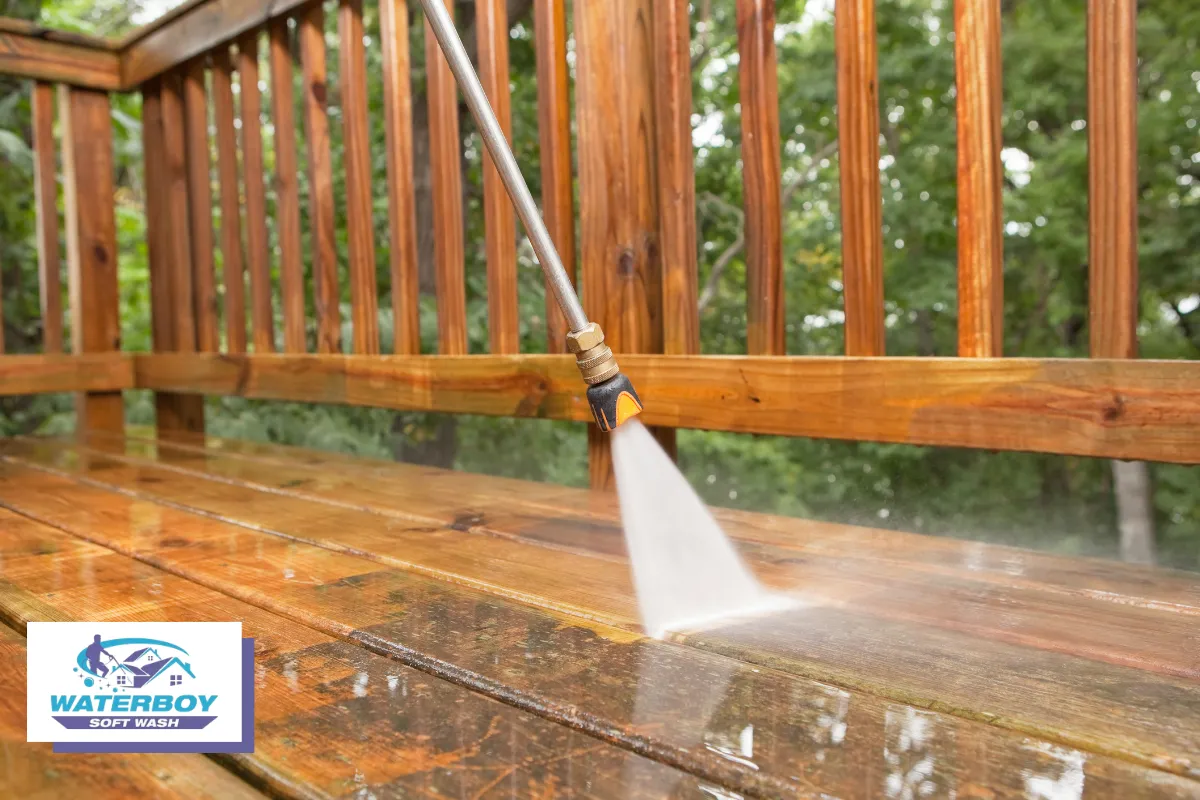
Understanding the difference between soft washing and traditional power washing helps you protect your investment instead of accidentally damaging it.
- Soft washing uses lower pressure, around 1200 to 1500 PSI, combined with specialized cleaning solutions that loosen algae, mold, and grime without tearing into wood fibers. The technique relies on chemistry rather than brute force, which makes it ideal for natural wood and older boards with raised grain.
- High-pressure power washing can exceed 2500 PSI and, when used carelessly on wood decks, can etch the surface, raise the grain, strip finishes unevenly, and force moisture deep into gaps. The result is often a deck that looks worse after washing than it did before, with fuzzy fibers and uneven color that require light sanding to fix.
- For pressure washing decks safely, nozzle tip angle matters as much as PSI. Wide fan tips in the 25 to 40 degree range distribute force across a broader area, reducing the chance of gouging. The wand should stay 8 to 12 inches from the surface and move in steady, even sweeps with the grain.
- Composite and PVC decking can often tolerate slightly higher pressures than natural wood, but still benefit from controlled technique and composite-safe cleaning solutions to avoid hazing or voiding the warranty.
- Homeowners in Chester County should avoid DIY experiments with rental pressure washers unless they understand PSI settings, spray tips, and safe working distances. A momentary lapse can leave permanent marks on pine, cedar, or any softer species.
- Professional cleaning prevents algae and mildew growth on decks because trained technicians match the method to the exact material and condition. Professional cleaning eliminates algae and mildew hazards while preserving the finish and structural integrity of every board.
Seasonal Factors in Chester County That Influence Cleaning Needs
Chester County’s climate creates a unique set of challenges for deck owners. Each season adds its own layer of wear, and understanding these patterns helps you schedule the right type of service at the right time.
- Spring brings heavy pollen, tree debris, and rain that leave sticky films on boards and railings. This combination creates the perfect environment for algae growth, especially on decks that sit under mature oaks, maples, or tulip poplars. Decks surrounded by trees may need annual cleaning or even more frequent attention during peak pollen season.
- Summer sun and humidity dry out natural wood and amplify fading on south-facing surfaces. High foot traffic from grilling and entertaining grinds dirt into the grain, and moisture from humid nights keeps mildew active in shaded corners.
- Fall leaves, acorns, and organic litter trap moisture against boards if not cleared promptly. Leaf tannins leach dark stains into wood that a light rinse will not remove, and wet mats of debris create ideal conditions for mold and moss to establish.
- Winter freeze-thaw cycles widen small cracks and gaps, allowing water to penetrate deeper into the wood structure. A thorough wash and seal before the first frost helps protect against this moisture intrusion.
- For most homeowners, a thorough clean in late spring or early summer and an inspection after major storms or heavy debris accumulation is a solid schedule. Decks should be cleaned every one to two years for optimal maintenance, though high-exposure decks may benefit from more frequent deck washing.
Preparing for Professional Deck Cleaning: What Homeowners Should Do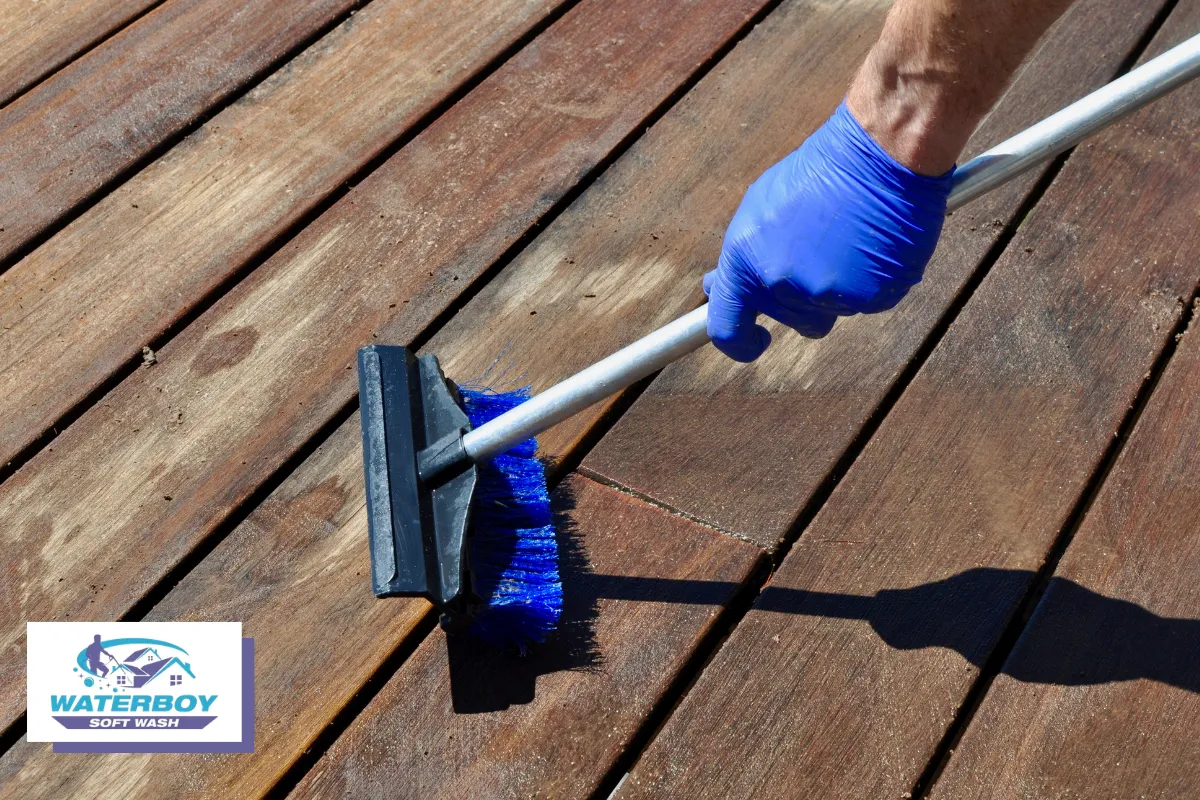
A little preparation on your end helps the cleaning crew work efficiently and deliver the best possible results.
- Move furniture, grills, potted plants, and décor off the deck or to one side so every board is accessible. Items left in place create uneven cleaning patterns and missed spots.
- Trim back low branches or shrubs that trap moisture against the deck and block airflow. Better air circulation speeds drying after the wash and reduces future mold risk around your backyard.
- Walk the deck and check for loose boards, protruding nails, or lifted screws. Note these for the cleaning crew before work begins so they can adjust their technique around vulnerable areas.
- Confirm that exterior spigots are working and that there is a clear path around the house for hoses and equipment. Restricted access slows down the job and may limit what the crew can safely clean.
- Discuss any prior stains, sealers, or paint with the technician. Older coatings affect chemical choice and determine whether the surface needs stripping before a deep clean or restoration.
- Take before photos from several angles. Most homeowners see their deck’s original color after cleaning, and the comparison photos help you appreciate the difference between a light wash and a full deep clean.
Regular cleaning can extend your deck’s lifespan by years and professional cleaning can increase your property’s value significantly. The small effort of prepping your space pays off in better results and a longer-lasting finish on every surface, from the boards to the siding and railings nearby.
Deck Cleaning in Chester County, PA – Water Boy Soft Wash
We are Water Boy Soft Wash, a Chester County, Pennsylvania company built around one goal: keeping your deck safe, beautiful, and protected no matter what the local weather throws at it. We inspect every deck before we start, evaluating the age, material, and condition so we can recommend whether a light wash, a soft washing treatment, or a full deep restoration clean is the right fit. Our methods protect natural wood, composite boards, and railings while removing algae, stains, and gray weathering that make your outdoor space look worn and tired. We follow Chester County best practices and use techniques designed to preserve the life and appearance of your deck. Call us at (610) 812-7378 or fill out our contact form to request an on-site evaluation and quote. Let us handle the dirty work so you can get back to enjoying your backyard.
Frequently Asked Questions
How Long Should a Deck Dry Before Using It After a Professional Clean?
Drying time depends on the method used and the weather conditions on the day of service. After a light wash, most decks are safe to walk on within a few hours once the surface moisture evaporates. A deep clean involving chemical treatments may require 24 to 48 hours of drying before you place furniture back or allow heavy foot traffic. If re staining or sealing follows the cleaning, wait until the moisture content of the wood drops to the level recommended by the product manufacturer, which is typically two to three dry days in Chester County’s summer humidity. Walking on a freshly treated deck too early can leave footprints in the finish and compromise adhesion.
Do I Need to Protect My Plants, Pets, and Landscaping During Deck Cleaning?
Yes. Even eco-friendly and biodegradable cleaning solutions can stress plants if applied in concentrated form or allowed to pool around root zones. Before the crew arrives, move potted plants well away from the deck perimeter and consider covering nearby garden beds with plastic sheeting. Keep pets and children indoors during the wash and for at least an hour afterward until all chemical residue has been rinsed away and surfaces have dried. Skilled professionals typically wet surrounding landscaping before and after treatment to dilute any runoff, but your own precautions add an extra layer of safety for the things you care about around your property.
Can Cleaning Chemicals Damage My Deck Fasteners, Railings, or Nearby Concrete?
They can if the wrong products are used. Acid-based brighteners, for example, are effective at removing rust stains and tannin bleed from wood, but they can corrode exposed metal fasteners and hardware if left in contact too long. Chlorine bleach may discolor aluminum or painted metal railings and can etch or lighten nearby concrete and stone surfaces if not rinsed thoroughly. Mold growth can break down masonry and stone surfaces over time as well, so adjacent patio areas benefit from careful attention. A knowledgeable technician selects chemicals compatible with every material on and around your deck, adjusting concentration and dwell time to avoid unintended damage to any surface.
Should I Be Home During a Professional Deck Cleaning Appointment?
You do not need to be physically present for the entire job, but being available at the start is helpful. The technician will want to walk the deck with you to discuss problem areas, note any structural concerns, and confirm water access and equipment paths around the house. If you cannot be there, make sure you provide clear instructions about gate access, spigot locations, and any boards or sections that need special attention. Leave a phone number where the crew can reach you in case they discover an unexpected issue like a rotted joist or a failing railing that needs a decision before they proceed.
How Does Rain or High Humidity Affect Scheduling and Results for Deck Washing?
Rain within 24 hours before a scheduled clean is usually not a problem because wet boards can actually help cleaning solutions spread more evenly. However, rain immediately after a deep clean can wash away chemicals before they finish working, reducing the quality of the results and potentially creating streaks. High humidity slows drying, which extends the window before you can seal or stain the surface. Most professionals in Chester County prefer to schedule work on days with moderate temperatures between 50 and 85 degrees, low wind, and at least a 24-hour dry forecast following the service. Extreme heat causes cleaners to dry too fast, leaving residue, while temperatures below 40 degrees can reduce chemical effectiveness and risk frost damage overnight.
Disclaimer
This article provides general information about deck cleaning and maintenance. It is not a substitute for professional structural, legal, or safety advice. Consult qualified local professionals in Chester County, PA before performing or authorizing any deck work.
Read Can I Pressure Wash a Deck? Deck Cleaning Guide for Chester County Homeowners