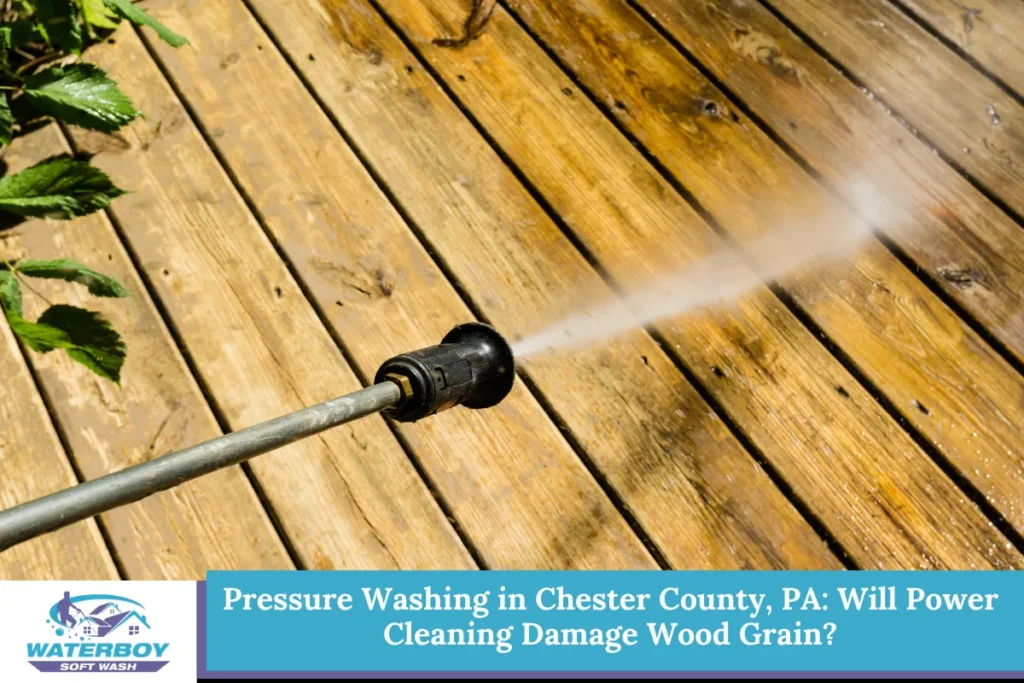

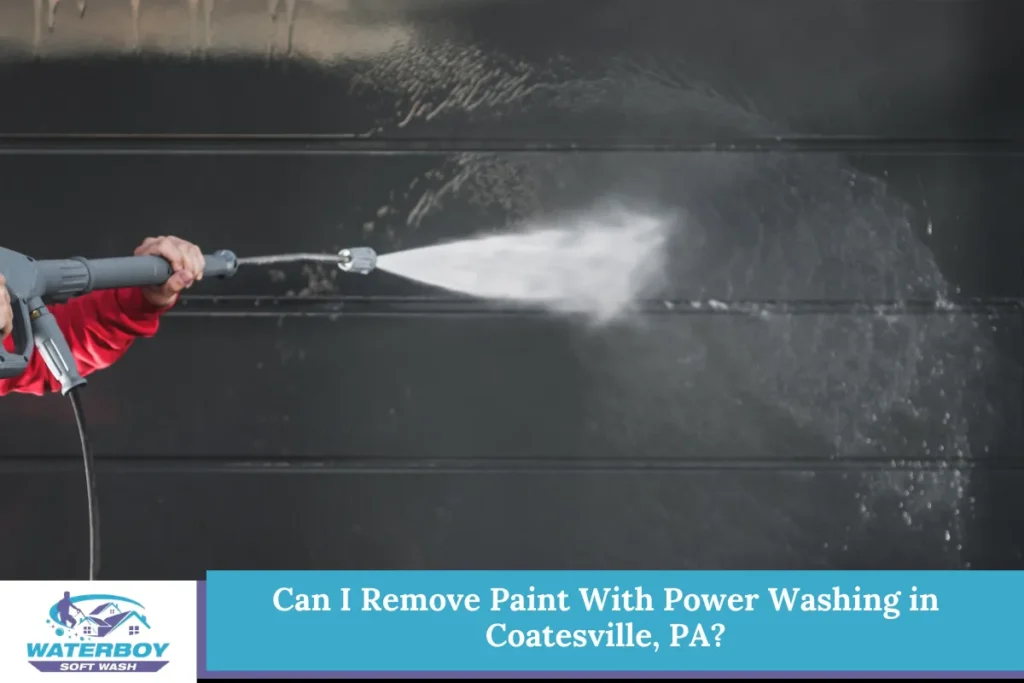

Power Washing in Coatesville, PA is often the first solution homeowners and property managers consider when old, peeling paint starts to ruin curb appeal. The problem? Not all surfaces respond the same way to high-pressure water. Use too little force and the paint barely budges. Use too much and you risk damaging siding, brick, or wood underneath. That frustration leads many people to ask: can power washing actually remove paint safely and effectively? The answer is yes—but only in certain situations. When done correctly, with the proper equipment and technique, pressure washing can strip loose or failing paint and prepare a surface for refinishing without causing costly damage.
When Power Washing Can Successfully Remove Paint
Power washing can remove paint under the right conditions. However, it is not a universal paint-removal solution. The outcome depends on several factors:
- Surface material
- Type and age of paint
- Condition of the coating
- Water pressure (PSI)
- Nozzle type and spray angle
- Distance from the surface
Pressure washing is most effective when paint is already deteriorating. If the coating is peeling, bubbling, or flaking, a power washer can remove loose layers quickly and efficiently. It is commonly used as a surface preparation step before repainting.
In Coatesville’s climate—where freeze-thaw cycles, humidity, and UV exposure break down paint—pressure washing can help remove compromised coatings before refinishing.
Surfaces That Respond Well to Pressure Washing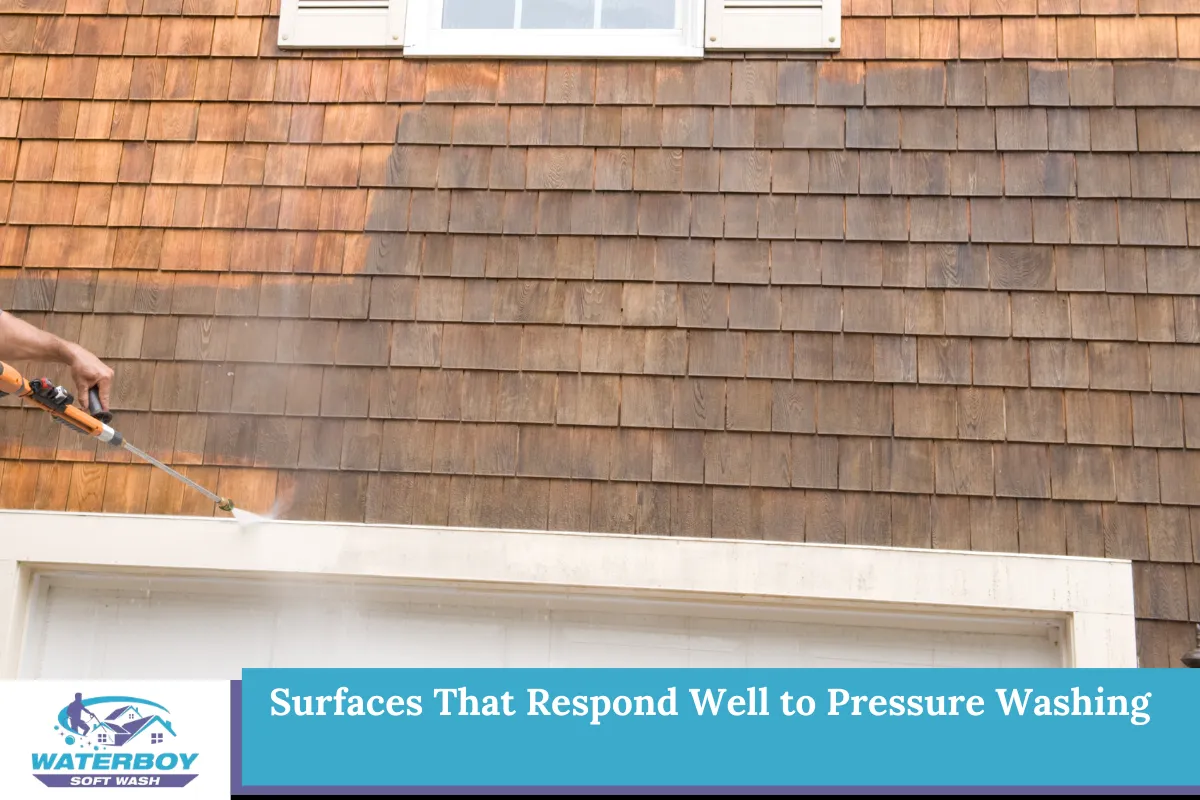
Brick and Masonry
Brick and concrete surfaces can tolerate higher PSI levels compared to wood or vinyl. When removing paint from masonry:
- A 2,500–3,500 PSI power washer may be used
- A 15- or 25-degree nozzle is common
- Proper technique prevents etching or mortar damage
However, older brick in historic parts of Coatesville requires caution. Aggressive pressure can damage mortar joints and lead to moisture intrusion.
Concrete Driveways and Foundations
Concrete surfaces often hold up well under pressure washing. Removing paint overspray, graffiti, or failing coatings is possible with adequate PSI and surface cleaners.
In some cases, contractors combine pressure washing with detergents or eco-friendly cleaners to improve paint removal results.
Metal Surfaces
Steel railings, fences, and certain metal panels may allow paint removal using controlled pressure. Rusted areas may require additional prep methods such as sanding or chemical treatment.
Surfaces That Require Caution
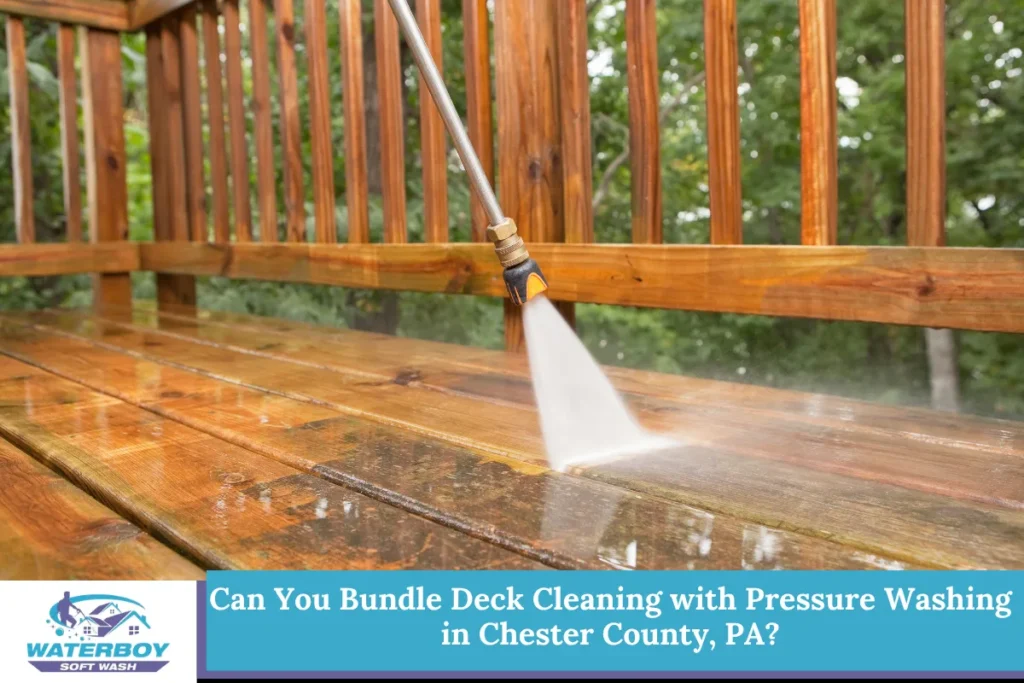
Wood Siding and Decking
Wood is highly vulnerable to damage from a power washer. High pressure can:
- Gouge the surface
- Raise wood grain
- Cause splintering
- Force water deep into the structure
Softwood materials like cedar and pine are especially susceptible. For paint removal on wood siding in Coatesville homes, lower PSI (1,200–1,800) and wider spray patterns are recommended.
Vinyl Siding
Vinyl is flexible and can crack or warp if sprayed too closely. Additionally, pressure washing can force water behind panels, leading to mold or structural issues.
Removing paint from vinyl typically requires careful technique rather than brute force.
How Much PSI Is Needed to Remove Paint?
PSI (pounds per square inch) determines the force of the water spray. Different surfaces require different pressure levels.
General PSI Guidelines:
- 500–1,500 PSI: Light cleaning, soft surfaces
- 1,500–2,500 PSI: Wood decks, fences
- 2,500–3,500 PSI: Concrete, masonry
- Above 3,500 PSI: Industrial applications
For paint removal, many professionals use 2,000–3,000 PSI, but the key is control—not maximum force.
Using too much pressure increases the risk of surface damage and may violate manufacturer warranties on siding or decking materials.
Pressure Washing vs. Chemical Paint Stripping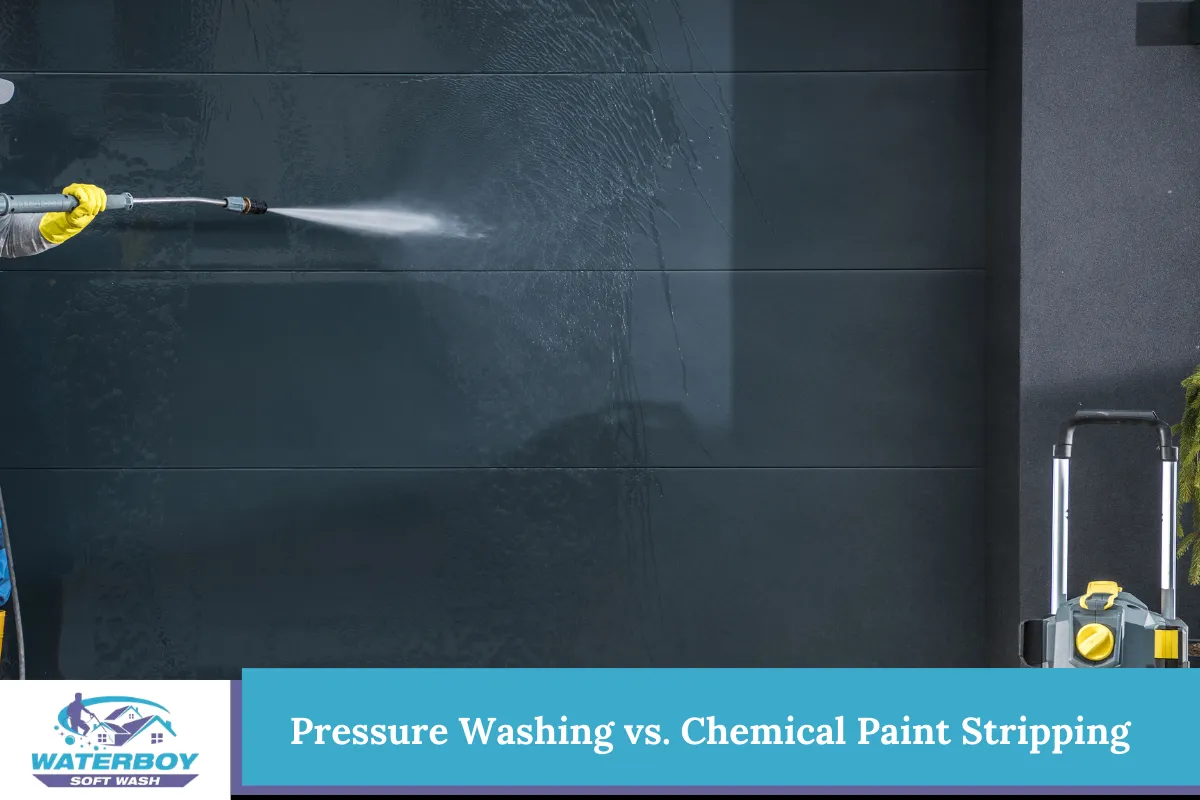
Power washing is mechanical paint removal. Chemical stripping is solvent-based removal.
Each has advantages and limitations.
Benefits of Power Washing
- Faster for large areas
- No harsh chemicals
- Prepares surface for repainting
- Cost-effective for exterior surfaces
Drawbacks
- May not remove fully bonded paint
- Risk of damage if misused
- Water runoff concerns
Chemical strippers may be required for:
- Lead-based paint
- Thick oil-based coatings
- Detailed trim and intricate woodwork
In many repainting projects, contractors combine scraping, sanding, and pressure washing to achieve optimal results.
What About Lead Paint in Coatesville Homes?
Homes built before 1978 may contain lead-based paint. Federal EPA regulations require safe handling under the Renovation, Repair and Painting (RRP) Rule.
Pressure washing lead paint without containment can:
- Spread contaminated water
- Violate environmental guidelines
- Create health hazards
If lead paint is suspected:
- Test the paint before removal
- Use certified professionals
- Follow EPA containment procedures
Chester County properties, including those in Coatesville, must comply with state and federal environmental regulations when disturbing lead-based coatings.
Local Environmental Considerations in Coatesville, Pennsylvania
When performing power washing in Coatesville, PA, it is important to consider stormwater regulations.
Runoff from pressure washing can carry:
- Paint chips
- Cleaning chemicals
- Debris
- Heavy metals
Under Pennsylvania Department of Environmental Protection (DEP) guidelines, discharge into storm drains may require proper containment and disposal.
Best practices include:
- Using biodegradable detergents
- Containing paint debris
- Avoiding direct discharge into waterways
- Following local municipal codes
Improper disposal can result in fines or environmental damage.
Read Power Washing in Coatesville, PA: Are Electric Washers as Powerful as Gas Washers?
Proper Technique for Removing Paint With a Power Washer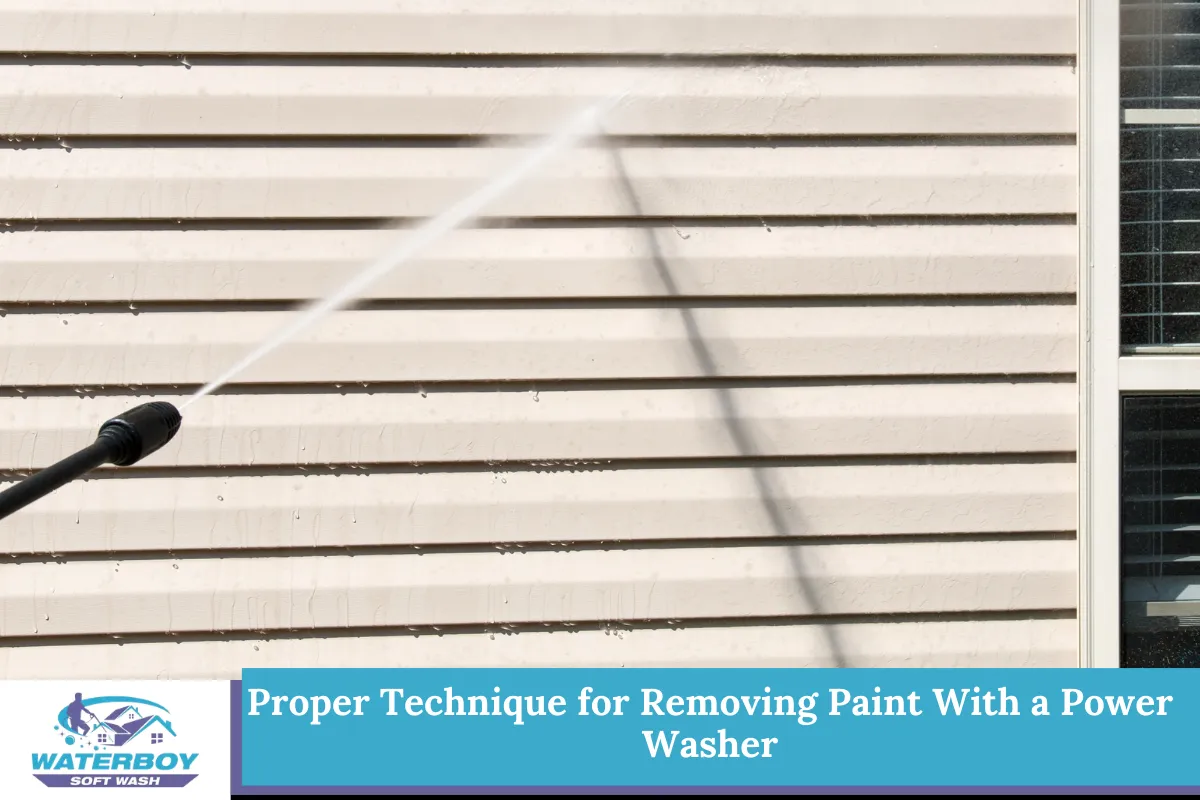
Removing paint successfully requires more than turning up the pressure.
Step 1: Surface Inspection
Check for:
- Cracks
- Rot
- Loose boards
- Damaged mortar
Repairing structural issues first prevents further damage.
Step 2: Select the Correct Nozzle
Nozzle angle affects pressure concentration.
- 0-degree: Extremely concentrated, rarely recommended
- 15-degree: Strong removal power
- 25-degree: Balanced cleaning
- 40-degree: Gentle washing
A rotating turbo nozzle may increase effectiveness but should be used cautiously.
Step 3: Maintain Proper Distance
Holding the wand 8–18 inches from the surface allows control and reduces risk.
Step 4: Use Even, Controlled Movements
Avoid staying in one spot too long. Overexposure can strip beyond intended layers.
Is Soft Washing Better for Paint Removal?
Soft washing uses low pressure combined with cleaning solutions. It is generally not designed to remove intact paint.
However, it may help:
- Clean surface before repainting
- Remove mildew and dirt
- Prepare siding for scraping
If the goal is full paint removal, traditional pressure washing with controlled PSI is typically required.
Equipment Considerations: Gas vs. Electric Power Washers
Electric Power Washer
- Quieter
- Lower PSI
- Ideal for light residential tasks
Gas Power Washer
- Higher PSI
- Suitable for paint removal
- More mobility
Commercial power washing equipment can exceed 3,000 PSI, which requires experience to operate safely.
Common Mistakes to Avoid
Removing paint improperly can create bigger problems.
Frequent errors include:
- Using excessive pressure
- Spraying upward under siding
- Ignoring lead paint regulations
- Failing to protect landscaping
- Not wearing protective gear
Protective eyewear, gloves, and proper footwear are essential during pressure washing.
When Should You Avoid Power Washing for Paint Removal?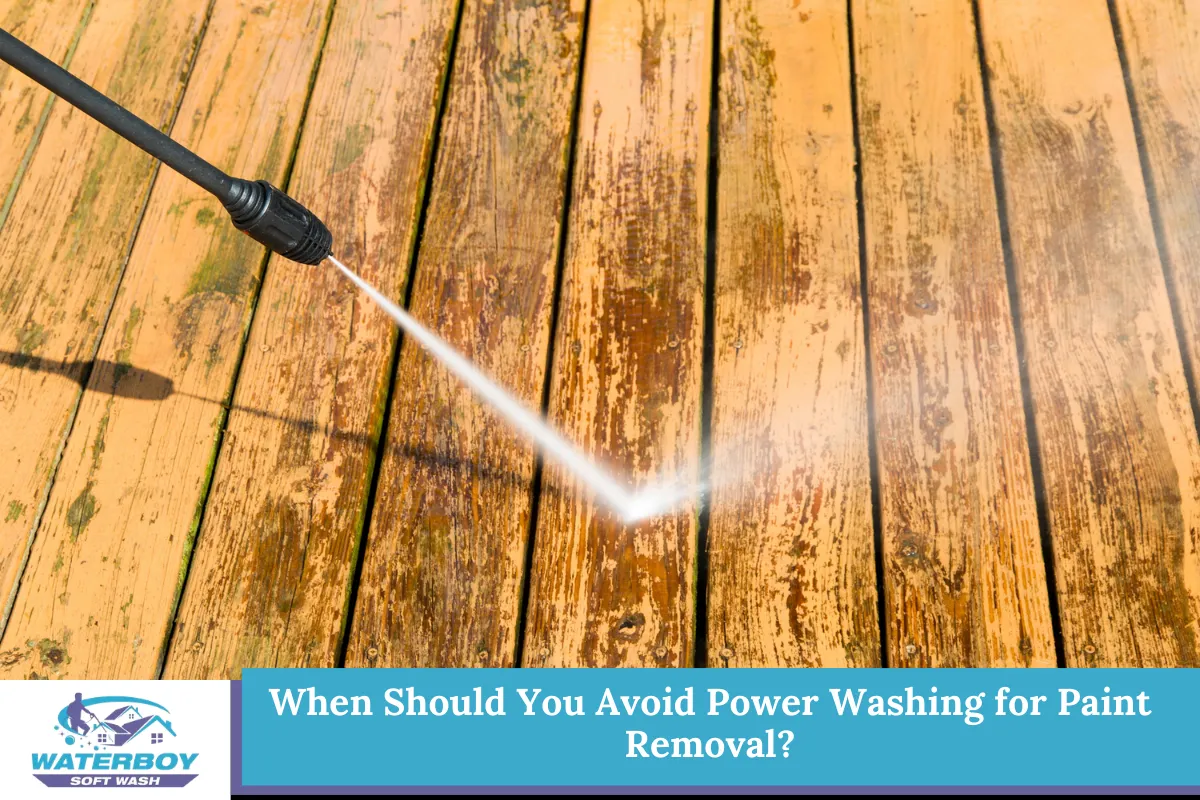
There are scenarios where alternative methods are better:
- Historic brick homes
- Delicate trim work
- Intricate wood carvings
- Interior paint removal
- Surfaces with deep structural damage
In these cases, scraping, sanding, or professional stripping methods may be safer.
Cost Considerations in Coatesville
The cost of power washing for paint removal depends on:
- Square footage
- Surface type
- Accessibility
- Equipment required
- Lead paint precautions
Average exterior pressure washing rates in Pennsylvania range from a few hundred dollars for small areas to several thousand for full-property preparation.
DIY may appear cheaper, but equipment rental, potential damage repairs, and compliance issues can increase expenses.
Preparing for Repainting After Paint Removal
Once old paint is removed:
- Allow surface to dry completely
- Sand rough spots
- Apply primer
- Use quality exterior paint
Proper surface preparation determines how long new paint will last.
Moisture content must be low before repainting, especially in humid Pennsylvania weather.
Safety First: Personal and Property Protection
Power washing is powerful equipment. Safety measures include:
- Protective eyewear
- Non-slip footwear
- Gloves
- Avoiding ladder use while spraying
- Keeping children and pets away
Water at high PSI can break skin and cause serious injury.
Should You Hire a Professional?
If you are unsure about:
- Correct PSI
- Lead paint concerns
- Surface sensitivity
- Local environmental rules
Hiring a professional power washing service in Coatesville reduces risk and improves results.
Experienced technicians understand:
- Surface compatibility
- Water containment
- Proper nozzle selection
- Municipal compliance
The difference between surface preparation and surface destruction often comes down to technique.
What This Means for Coatesville Property Owners
Yes, you can remove paint with power washing—but it must be done correctly. Not every surface can handle aggressive pressure. Not every coating will come off cleanly. And not every property qualifies for unrestricted washing.
Understanding materials, regulations, and equipment limitations ensures safe and effective results.
A Smarter Approach to Paint Removal in Coatesville
Power washing is a powerful tool when used responsibly. For peeling paint on brick, concrete, or sturdy surfaces, pressure washing can save time and prepare a surface for refinishing.
However, careful assessment is essential before starting.
Choosing the right PSI, nozzle, and method protects your investment and prevents costly mistakes.
Power Washing in Coatesville, PA – Water Boy Soft Wash
At Water Boy Soft Wash, we specialize in professional power washing services designed to protect your property while delivering outstanding results. Whether you need paint preparation, surface cleaning, or commercial power washing, we use the right pressure and techniques for every material. Our team understands local environmental regulations in Coatesville, Pennsylvania and follows proper runoff and safety procedures. We never use more force than necessary, and we treat every home and business with care. If you are considering removing paint or preparing a surface for refinishing, call us at (610) 812-7378 or fill out our contact form today. Let us handle the equipment while you enjoy a cleaner, refreshed property.
Frequently Asked Questions
1. Can pressure washing damage insulation behind siding?
Yes, if done improperly. When a power washer is aimed upward or too closely at vinyl siding, water can be forced behind the panels. This trapped moisture may saturate insulation and lead to mold growth or structural issues. Professional technicians avoid spraying upward and maintain proper distance to prevent infiltration. If insulation becomes wet, it can lose effectiveness and require replacement. That is why technique matters just as much as pressure level when removing paint or cleaning siding surfaces in residential neighborhoods.
2. How long should I wait after power washing before repainting?
Drying time depends on temperature, humidity, and surface material. In Pennsylvania’s climate, wood siding may require 24 to 48 hours of dry weather before repainting. Masonry can take longer if deeply saturated. Moisture meters are sometimes used to confirm readiness. Painting too soon can trap moisture beneath the new coating, leading to peeling and premature failure. Always ensure surfaces are fully dry and properly primed before applying exterior paint.
3. Does pressure washing remove all types of exterior paint?
No. Pressure washing works best on loose or deteriorating paint. Fully bonded oil-based or industrial coatings may resist removal. In those cases, sanding or chemical stripping may be required to achieve complete removal. Power washing is often part of the preparation process rather than a standalone solution. Testing a small section first helps determine effectiveness before committing to a full project.
4. Are permits required for power washing in Coatesville?
Residential power washing typically does not require a permit. However, environmental regulations apply to wastewater disposal. If runoff enters storm drains without containment, it may violate local and state environmental standards. Commercial projects may require additional compliance steps. Always check municipal guidelines and Pennsylvania DEP regulations before beginning large-scale cleaning projects.
5. Can I rent a power washer instead of hiring a professional?
Yes, equipment rental is available at many home improvement stores. However, rental machines often range between 2,000 and 3,000 PSI, which can cause damage if misused. Without experience, it is easy to etch concrete, splinter wood, or damage siding. Additionally, handling paint debris responsibly requires planning. Hiring professionals reduces risk and ensures proper technique.
Disclaimer: This article is for informational purposes only and does not constitute legal or environmental compliance advice. Always consult local municipal regulations and certified professionals before undertaking paint removal or pressure washing projects in Coatesville, Pennsylvania.
Read Power Washing in Parkesburg, PA: How to Clean Pool Decks?