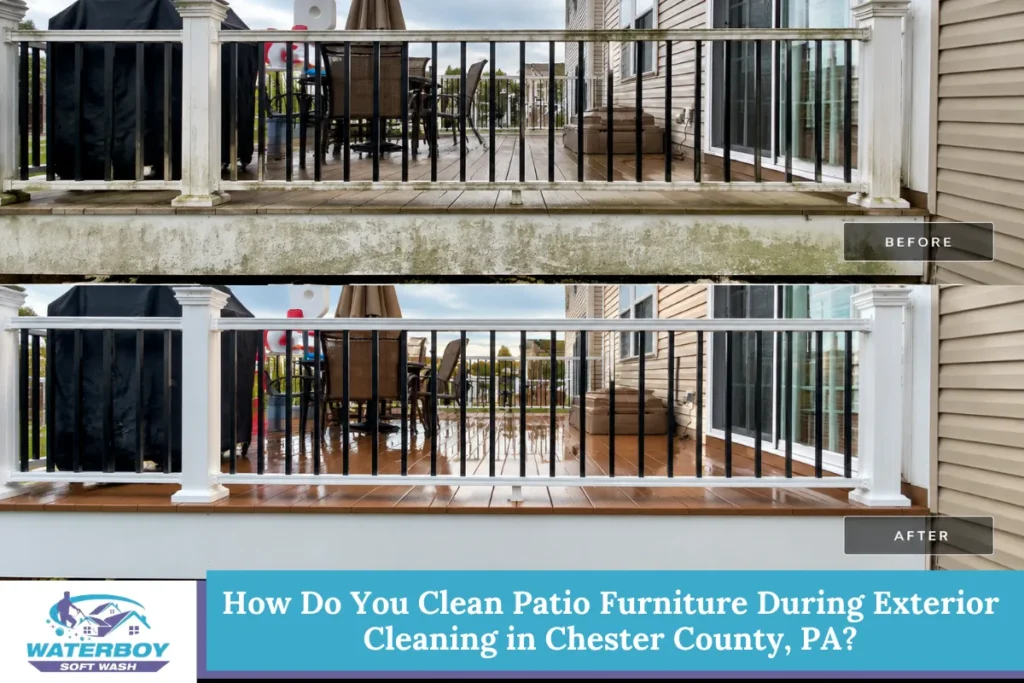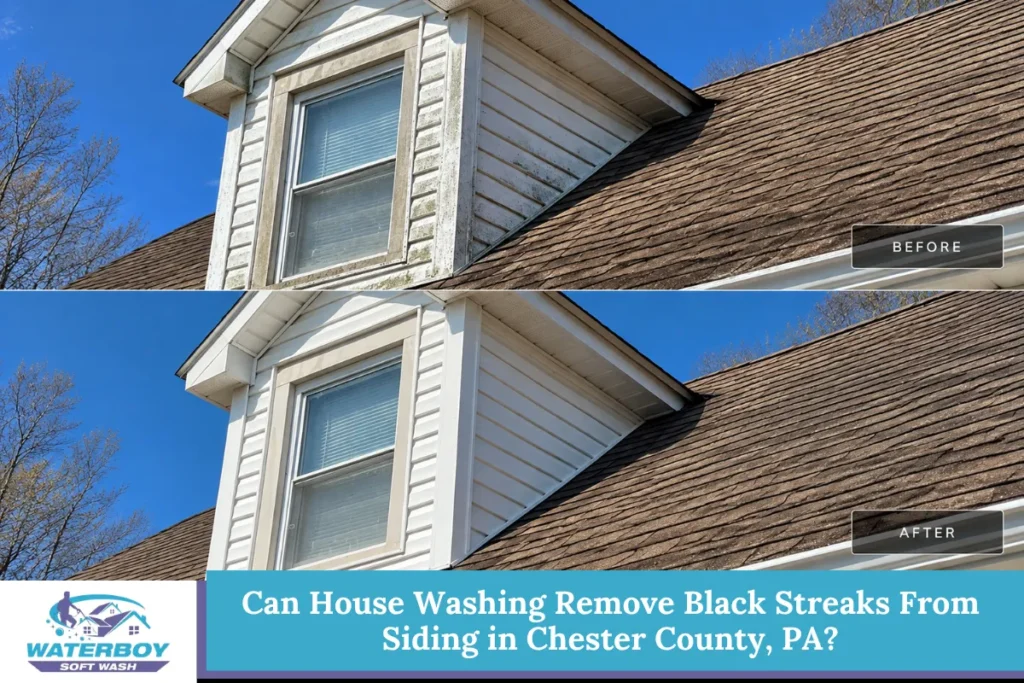



Why Coatesville Homeowners Are Reconsidering Their Cleaning Equipment
Power Washing in Coatesville, PA is more than just spraying water at siding or sidewalks. Many homeowners and property managers face stubborn mold, algae, oil stains, and grime that standard cleaning simply can’t remove. The problem? Choosing the wrong equipment can lead to wasted time, damaged surfaces, or disappointing results. Some believe electric units are too weak. Others assume gas machines are always better. That confusion often leads to costly mistakes. The truth is more nuanced. Electric and gas washers both have strengths, and the right choice depends on surface type, pressure needs, and local regulations. In this guide, we break down the differences so you can confidently choose the best power washer for your property.
The Growing Demand for Exterior Cleaning in Chester County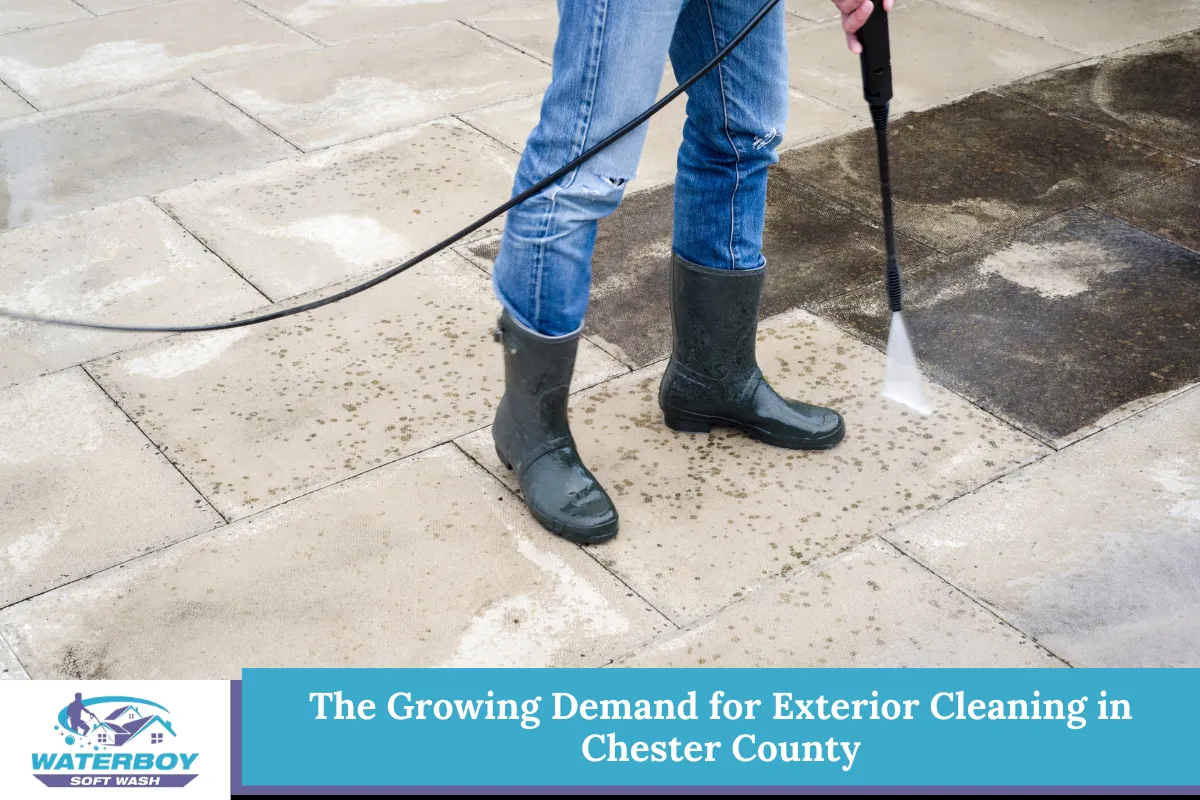
Coatesville sits in Chester County, where seasonal weather patterns significantly impact exterior surfaces. Humid summers promote mildew growth, while falling leaves and wet winters leave driveways and decks stained. Freeze-thaw cycles can also drive dirt deeper into porous materials like concrete and brick.
As a result, pressure washing has become a common maintenance practice for:
- Vinyl siding
- Brick and stone facades
- Driveways and sidewalks
- Wooden decks and fences
- Commercial storefronts
- Parking lots and loading zones
Homeowners are not just concerned about appearance. Regular power wash services help prevent premature surface deterioration, reduce slip hazards, and protect property value.
Electric vs. Gas Power Washer: What Really Sets Them Apart?
Choosing between an electric power washer and a gas-powered model requires understanding how they generate pressure and how much cleaning force they deliver.
PSI and GPM: The Numbers That Matter
Two main measurements define washing power:
- PSI (pounds per square inch): Indicates water pressure.
- GPM (gallons per minute): Measures water flow rate.
Cleaning power is determined by the combination of both. A higher PSI cuts through tough grime. A higher GPM rinses debris more efficiently.
Typical Electric Washer Specs:
- 1,300–2,300 PSI
- 1.2–1.8 GPM
Typical Gas Washer Specs:
- 2,500–4,000+ PSI
- 2.0–4.0 GPM
Gas models clearly deliver higher output, but more pressure isn’t always better.
When Electric Units Perform Surprisingly Well
Electric pressure washing equipment has improved dramatically over the past decade. Brands like Ryobi and Greenworks now offer compact yet powerful systems ideal for residential cleaning.
Best Uses for Electric Machines
Electric models are well-suited for:
- Washing cars and boats
- Cleaning patio furniture
- Rinsing vinyl siding
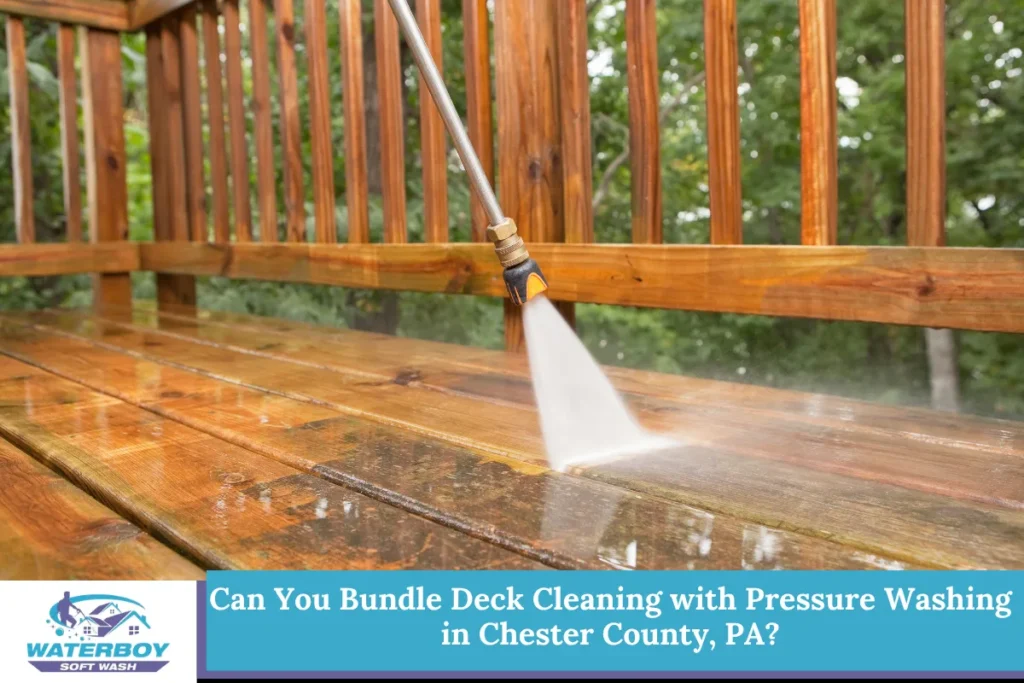
- Light deck cleaning
- Small concrete surfaces
Because they produce lower PSI, they reduce the risk of damaging softer materials. For homeowners unfamiliar with high-pressure cleaning, electric systems provide a safer entry point.
They also offer:
- Quieter operation
- No fuel storage
- Lower maintenance
- Lightweight portability
For many suburban properties in Coatesville, an electric power wash setup is sufficient for annual upkeep.
Where Gas Pressure Washers Dominate
There are situations where electric simply cannot compete.
Heavy-Duty Cleaning Applications
Gas-powered machines are preferred for:
- Deep concrete stain removal
- Commercial fleet washing
- Graffiti removal
- Stripping paint from masonry
- Large-scale commercial power washing
High PSI combined with strong flow rates allows gas units to break down grease, oil, and deeply embedded grime more efficiently.
For large driveways, multi-story homes, and commercial properties, gas pressure washing equipment significantly reduces cleaning time.
However, increased power demands skill. Incorrect technique can etch concrete, splinter wood, or force water behind siding.
Surface Safety: More Power Isn’t Always the Answer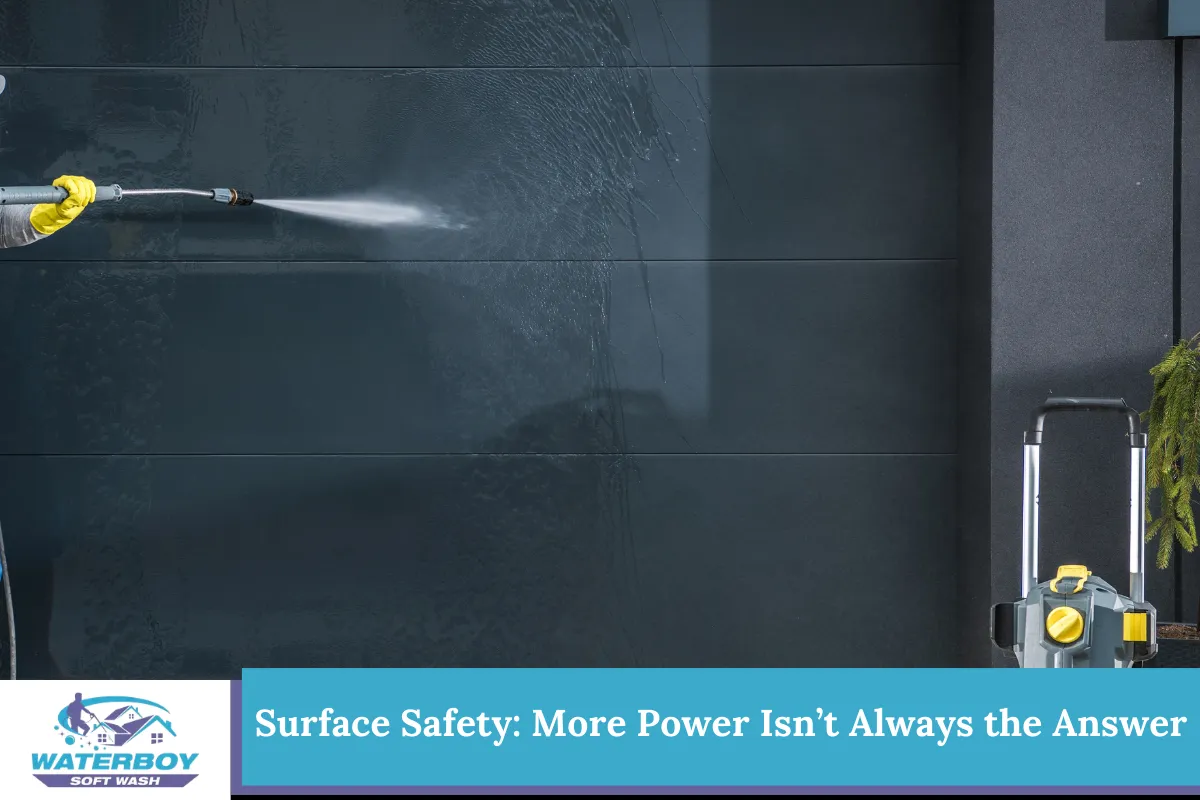
Many homeowners mistakenly believe higher PSI equals better cleaning. In reality, matching pressure to the surface is critical.
Recommended Pressure Ranges by Surface
- Vinyl siding: 1,200–1,600 PSI
- Wood decking: 1,200–1,500 PSI
- Concrete driveways: 2,500–3,000 PSI
- Brick surfaces: 1,500–2,000 PSI
Excess pressure can cause permanent damage. That is why many professionals use adjustable nozzles and surface cleaners to control spray intensity.
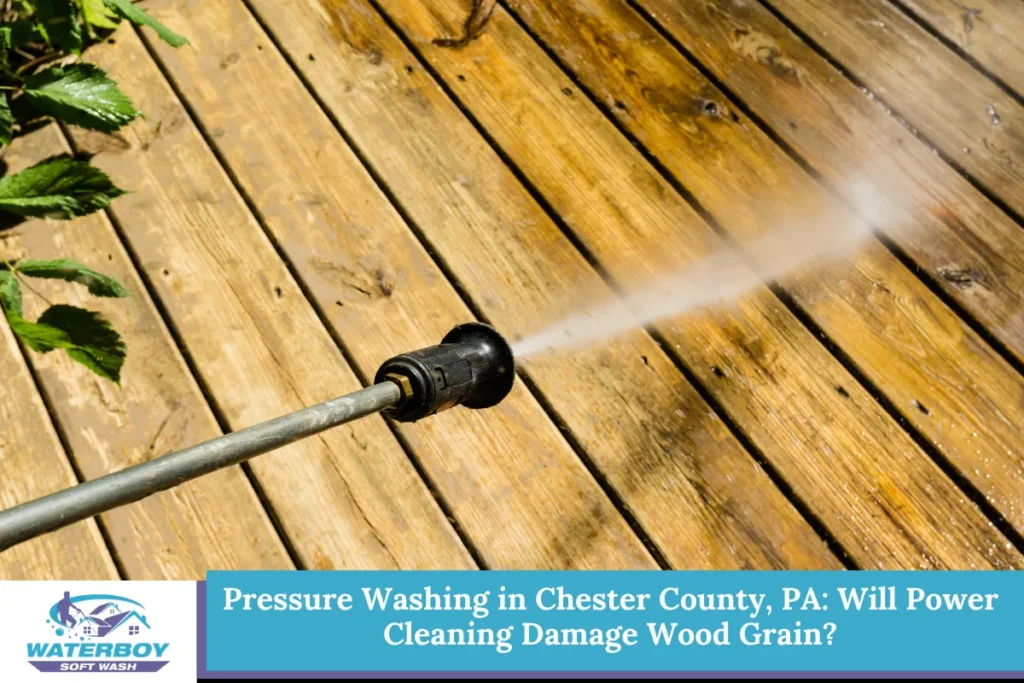
In some cases, especially for roofs and delicate siding, soft washing is preferred over traditional power washing. Soft washing uses low pressure combined with biodegradable cleaning solutions to remove mold and algae safely.
Environmental Considerations in Coatesville, Pennsylvania
Power washing is not just about equipment strength. Environmental responsibility matters.
In Coatesville and across Pennsylvania, stormwater regulations prohibit allowing contaminated runoff to enter storm drains. According to statewide environmental guidelines, detergents and chemicals must not flow directly into waterways.
Key compliance considerations include:
- Using biodegradable cleaning agents
- Redirecting runoff away from storm drains
- Avoiding washing when chemicals can enter public drainage systems
- Proper disposal of wastewater when required
Commercial properties may have additional environmental obligations, especially when dealing with oil or grease removal.
Using the right pressure washing method and detergents protects both your property and local water systems.
Read Can I Remove Paint With Power Washing in Coatesville, PA?
Maintenance and Operating Costs Compared
The long-term cost difference between electric and gas systems can influence your decision.
Electric Washer Costs
- Lower upfront investment
- Minimal maintenance
- No oil changes
- No fuel purchases
Gas Washer Costs
- Higher initial price
- Routine engine maintenance
- Fuel expenses
- Seasonal storage preparation
While gas systems offer superior power, they require regular servicing similar to small engines used in lawn equipment.
For homeowners who only need occasional cleaning, electric may be more practical.
Noise, Mobility, and Convenience Factors
Noise can be a concern in residential neighborhoods.
Electric washers operate significantly quieter than gas-powered models. In densely populated areas of Coatesville, this can be a deciding factor, especially during early morning cleaning.
Gas machines provide greater mobility because they do not require a power outlet. For large commercial lots or rural properties without accessible outlets, gas-powered systems offer flexibility.
Hot Water vs. Cold Water Systems
Another important distinction is water temperature.
Most residential electric units use cold water only. Many commercial gas pressure washing systems can integrate hot water capability.
Hot water is especially effective for:
- Grease removal
- Oil stain breakdown
- Commercial kitchen exterior cleaning
- Heavy equipment washing
Heat accelerates the breakdown of contaminants, improving cleaning efficiency without increasing PSI.
Choosing the Right Washer for Your Property Type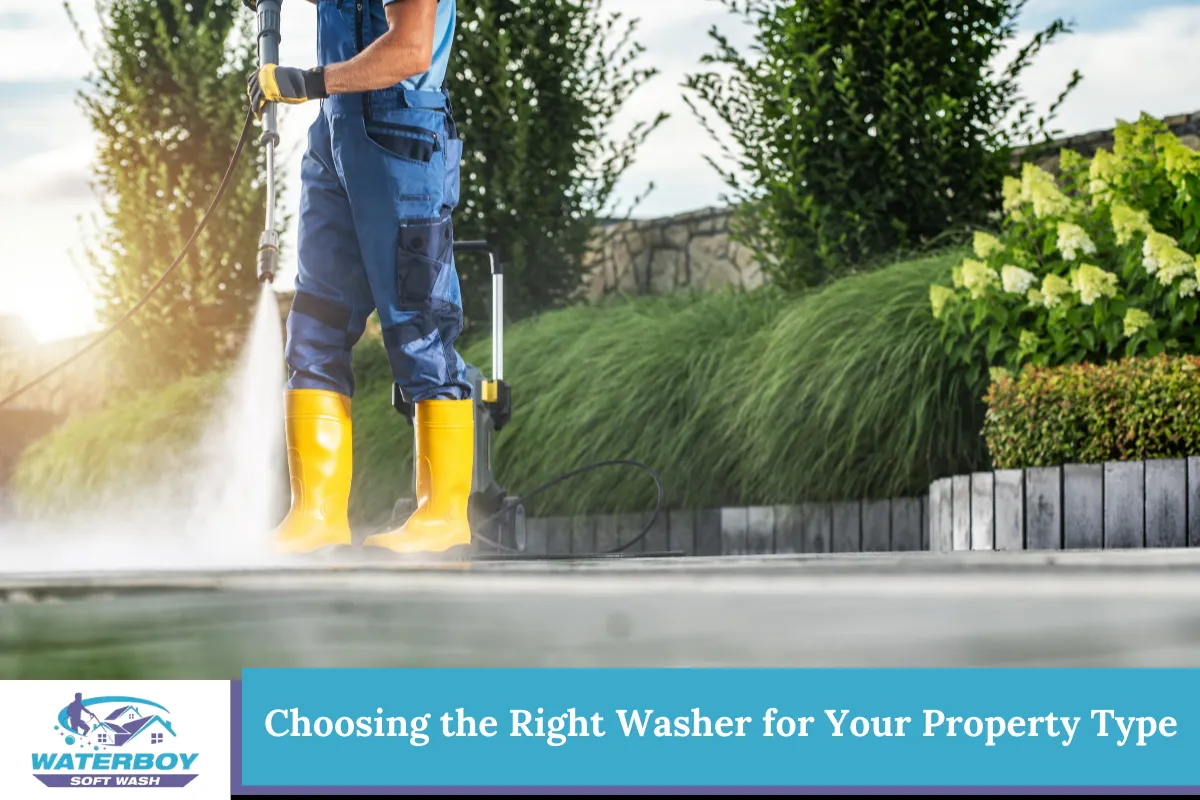
Residential Homes
For standard siding, patios, and small driveways, electric units often suffice. They provide adequate cleaning without excessive force.
Large Estates or Multi-Level Homes
Gas systems deliver better reach and efficiency for larger properties.
Commercial Properties
Commercial power washing often demands higher PSI, hot water systems, and specialized attachments. Gas units are typically preferred.
However, hiring professionals is often more cost-effective and safer than renting high-powered equipment without experience.
Professional Services vs. DIY Equipment
Many property owners debate whether to rent or buy equipment instead of hiring a service.
Risks of DIY Power Washing
- Surface damage
- Injury from high-pressure spray
- Ladder-related accidents
- Improper chemical use
- Environmental violations
Professional technicians understand correct PSI levels, nozzle angles, and safe chemical ratios.
They also carry insurance, reducing liability risks.
For commercial pressure washing, professional services are often required to meet safety standards and municipal guidelines.
Energy Efficiency and Sustainability
Electric units are generally more energy-efficient and produce zero direct emissions. Gas washers emit carbon monoxide and require outdoor operation only.
If sustainability is a priority, electric may be appealing for smaller jobs. However, completing large-scale cleaning with insufficient power can waste water and time.
Efficiency ultimately depends on matching equipment to the task.
Safety Considerations Every Property Owner Should Know
High-pressure water can cause serious injuries.
Important safety practices include:
- Wearing eye protection
- Avoiding direct spray at skin
- Using proper footing
- Maintaining safe distances from electrical sources
- Never pointing spray at others
Gas units require additional caution due to fuel handling and exhaust emissions.
Understanding these risks reinforces why selecting the right type of power washer is essential.
Final Thoughts on Electric vs. Gas Power Washers in Coatesville
The debate between electric and gas washers is not about which is universally stronger. Gas models undeniably offer higher PSI and greater water flow, making them ideal for large or heavily soiled areas. Electric systems, however, are highly effective for standard residential cleaning and offer convenience, safety, and lower maintenance.
The best choice depends on:
- Surface material
- Property size
- Stain severity
- Environmental compliance
- Budget and maintenance tolerance
For many property owners in Coatesville, a professional evaluation ensures the correct cleaning method without risking damage.
Power Washing in Coatesville, PA – Water Boy Soft Wash
At Water Boy Soft Wash, we specialize in professional power washing services tailored to homes and businesses throughout Coatesville, Pennsylvania. We understand the difference between electric and gas systems and know exactly when each method is appropriate. Our team uses the right pressure levels, advanced equipment, and environmentally responsible cleaning solutions to protect your property while delivering outstanding results.
Whether you need residential cleaning or commercial power washing, we are ready to help. We remove mold, algae, oil stains, and built-up grime safely and efficiently. Call us today at (610) 812-7378 or fill out our contact form to schedule your service. Let Water Boy Soft Wash restore your exterior surfaces with precision and care.
Frequently Asked Questions
1. Does water pressure alone remove mold and algae effectively?
Water pressure can remove surface-level growth, but it does not always eliminate the root cause of mold or algae. These organisms embed themselves into porous materials like siding and concrete. Without proper cleaning agents, they often return quickly. Professional services typically use specialized biodegradable solutions designed to break down organic growth at its source. This method not only cleans the surface but also extends the time between treatments. Simply increasing PSI may remove visible stains temporarily but can damage surfaces without addressing the underlying problem.
2. Can pressure washing increase my property value before selling?
Yes, exterior cleaning can significantly enhance curb appeal, which directly influences buyer perception. A clean driveway, siding, and walkway create a well-maintained impression. Real estate professionals often recommend power wash services before listing a property. While it may not dramatically increase appraisal value, it can improve marketability and reduce time on the market. First impressions matter, and removing stains, mildew, and discoloration can make your home appear newer and better cared for, which attracts stronger offers.
3. Is commercial power washing different from residential cleaning?
Commercial properties often require more powerful equipment, higher water flow rates, and sometimes hot water systems. Surfaces like parking garages, loading docks, and storefronts accumulate grease, oil, and heavy foot traffic residue. Additionally, commercial cleaning must comply with environmental regulations regarding wastewater disposal. Professional contractors use specialized attachments such as surface cleaners and recovery systems to manage runoff. Residential services typically focus on siding, decks, and driveways, requiring less aggressive methods.
4. How often should exterior surfaces be cleaned in Pennsylvania?
In climates like Pennsylvania, most homes benefit from exterior cleaning once every 12 to 24 months. Factors such as tree coverage, humidity, and nearby construction can increase buildup. Commercial properties may require quarterly or biannual cleaning depending on traffic levels. Regular maintenance prevents long-term staining and reduces the risk of structural damage caused by mold and mildew growth. Establishing a routine cleaning schedule preserves both appearance and surface integrity.
5. Are there surfaces that should never be pressure washed?
Yes. Certain materials are too delicate for high-pressure cleaning. These include older brick with deteriorating mortar, asphalt shingles, lead-based painted surfaces, and certain types of stucco. In these cases, soft washing is recommended. Soft washing uses low pressure combined with cleaning agents to gently remove contaminants without causing damage. Before performing any exterior cleaning, surfaces should be inspected to determine the safest and most effective method.
Disclaimer: This article is for informational purposes only and does not constitute professional or environmental compliance advice. Always consult local regulations in Coatesville, Pennsylvania and Chester County regarding wastewater management and pressure washing practices before performing exterior cleaning.
Read Power Washing in Parkesburg, PA: How to Remove Chewing Gum?