

Deck Cleaning and the Hidden Risk of Too Much Pressure
Deck cleaning is one of those spring tasks that most homeowners in Chester County look forward to, but few think about the damage that can happen if the process goes wrong. The problem is straightforward: you rent a machine rated for concrete, aim it at your wood deck, and crank it up. Within minutes, the surface that was supposed to look refreshed is now scarred with gouges, fuzzy grain, and splinters. The consequences show up fast. Staining becomes uneven. Bare feet catch rough spots. Boards start checking after the next winter. The good news is that safer approaches exist, from correct PSI ranges and nozzle choices to soft washing chemistry and professional service right here in the county.
Key Takeaways
- Yes, too much pressure can absolutely damage wood decks in Chester County by shredding fibers, causing splinters, and shortening the lifespan of your boards. Pressure above 1,500 to 2,000 PSI—let alone concrete-rated 3,000+ PSI machines—will permanently damage wood fibers beyond repair.
- Safe PSI ranges vary by material: 500 to 800 PSI for older softwood, up to 1,200 to 1,500 PSI for sturdier treated lumber, always paired with a wide fan tip held at proper distance.
- Chester County’s freeze-thaw cycles, humidity, and heavy tree cover make soft washing and lower pressure methods far safer than aggressive power washing for most decks.
- Professional deck cleaning with controlled pressure helps prevent costly repairs, preserves curb appeal, and extends the life of your outdoor space.
How High Pressure Damages Wood Deck Boards
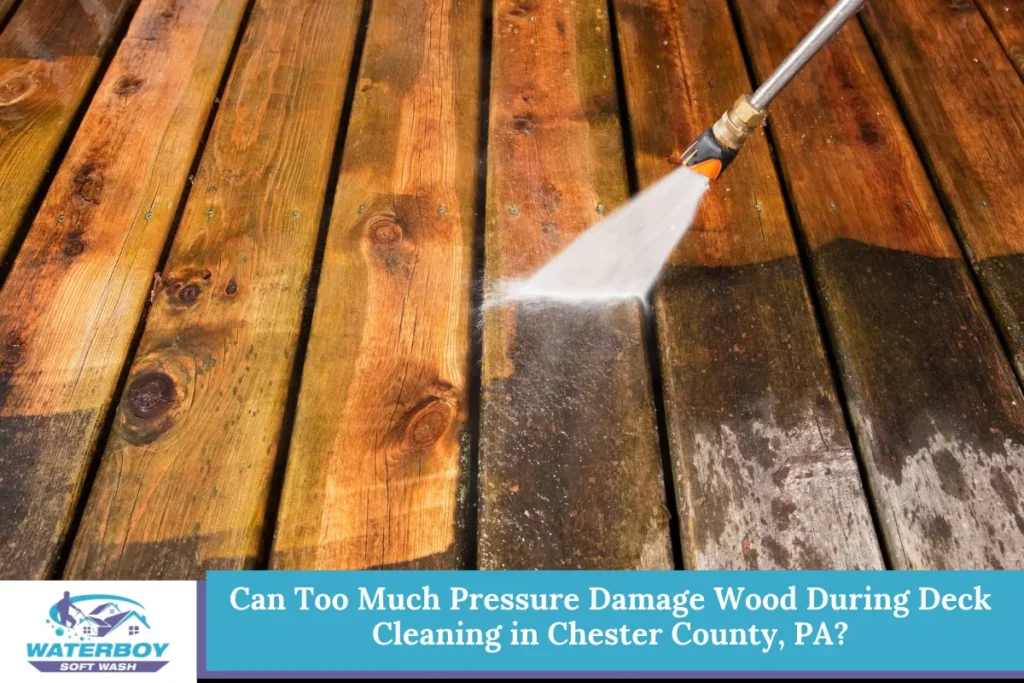
Wood is composed of long, layered fibers and cell walls. The outermost layer, often called spring wood, is softer and more susceptible to tearing. When a pressure washer delivers too much force, it shreds these fibers on the surface of your deck boards. The result is a range of damage types that go well beyond cosmetic.
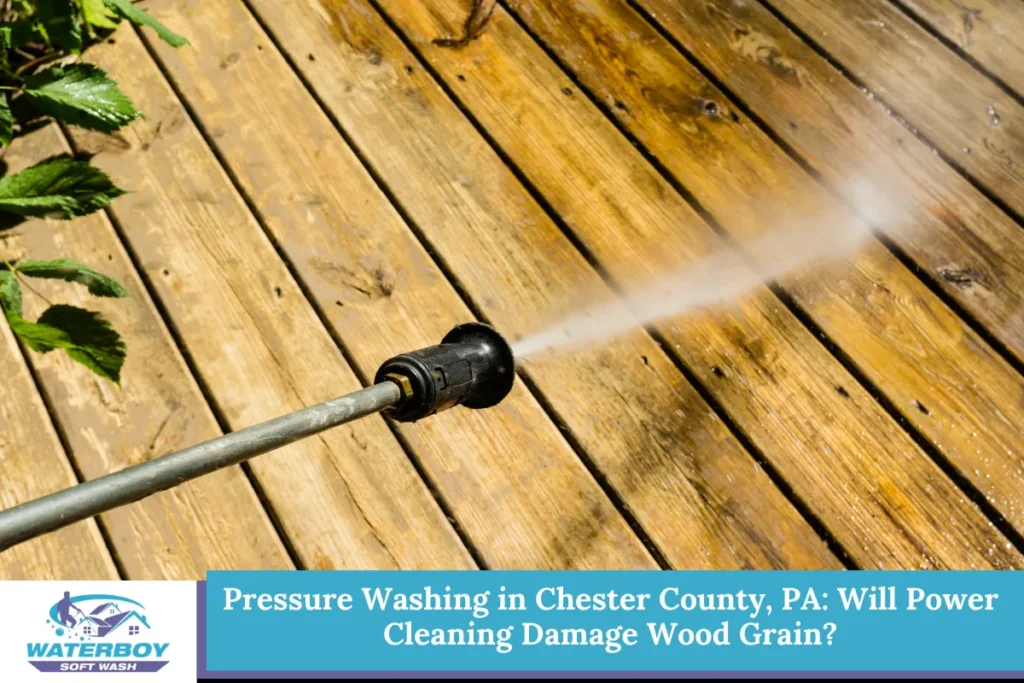
High pressure can tear up wood grain, leaving behind what professionals call feathering, fuzzing, or zebra-striping. Gouges can form where the wand lingered or came too close. Splintering along the edges of boards becomes a safety hazard, especially in areas with regular foot traffic. High pressure can also exacerbate wood fiber damage and splintering on boards that are already weathered or showing their age.
The damage runs deeper than the surface. High-pressure washing can force water into structural connections, compromising integrity around screws, nails, and joist attachment points. Once moisture penetrates into those areas, it accelerates rot, mold, and decay from the inside out. High pressure can strip protective finishes from wood surfaces too, exposing raw material to UV rays and moisture. That leads to premature failure of finishes, meaning you will need to re-stain or re-seal far sooner than expected.
Composite decking is not immune either. Capped composite boards can be etched or streaked when hit with a narrow tip at close range, potentially voiding the manufacturer warranty. In Chester County, where decks are exposed to snow, spring rains, and shaded yards, any tear in the surface layer invites moisture that worsens during freeze-thaw cycles.
Safe Pressure Levels for Deck Cleaning in Chester County
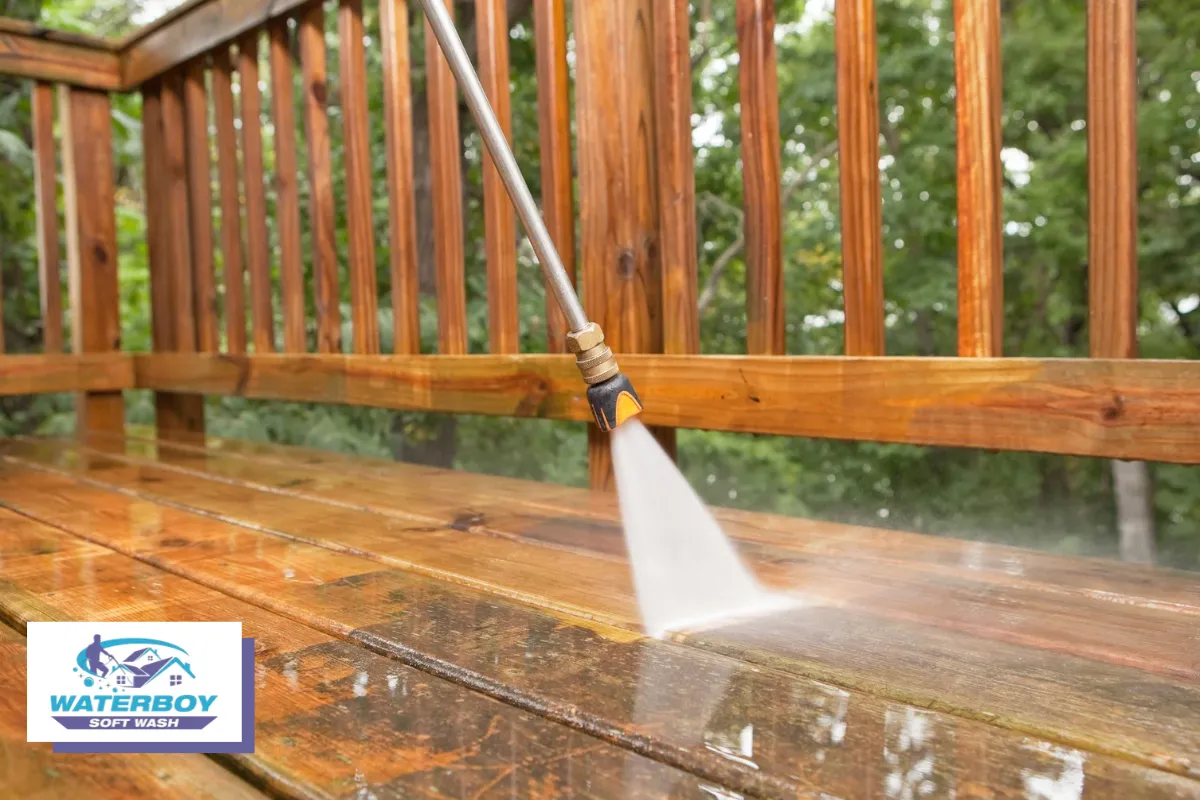
The recommended pressure for cleaning wooden decks varies by wood type, age, and condition. Getting this right is the single most important factor in avoiding washing damage.
Here are practical starting points for homeowners:
- Older, weathered softwood like cedar or pine: 500 to 800 PSI with a wide fan tip
- Newer or structurally sound pressure-treated lumber: up to 1200 to 1500 PSI with a 25-degree or 40-degree nozzle
- Dense hardwoods such as ipe or mahogany: up to 2000 to 2500 PSI, but only with correct distance and technique
- Composite deck boards: follow manufacturer specifications, typically no more than 1300 to 1500 PSI
Gouging and etching can occur if pressure exceeds 1,200 PSI on wood surfaces, especially soft wood or boards that have already seen several seasons. Using over 2500 PSI risks stripping paint from wood and destroying any staining or sealing that protects the material underneath. And pressure above 3000 PSI can permanently damage wood fibers, which is why machines rated for concrete should never be aimed at your deck without major adjustments.
Many rental units available around the county deliver well over 3000 PSI out of the box. That output is designed for cleaning concrete driveways and masonry, not wood. Always start low and test in an inconspicuous corner of the outdoor space before committing to the full surface.
Nozzles, Distance, and Technique: The Real Difference Between Clean and Ruined
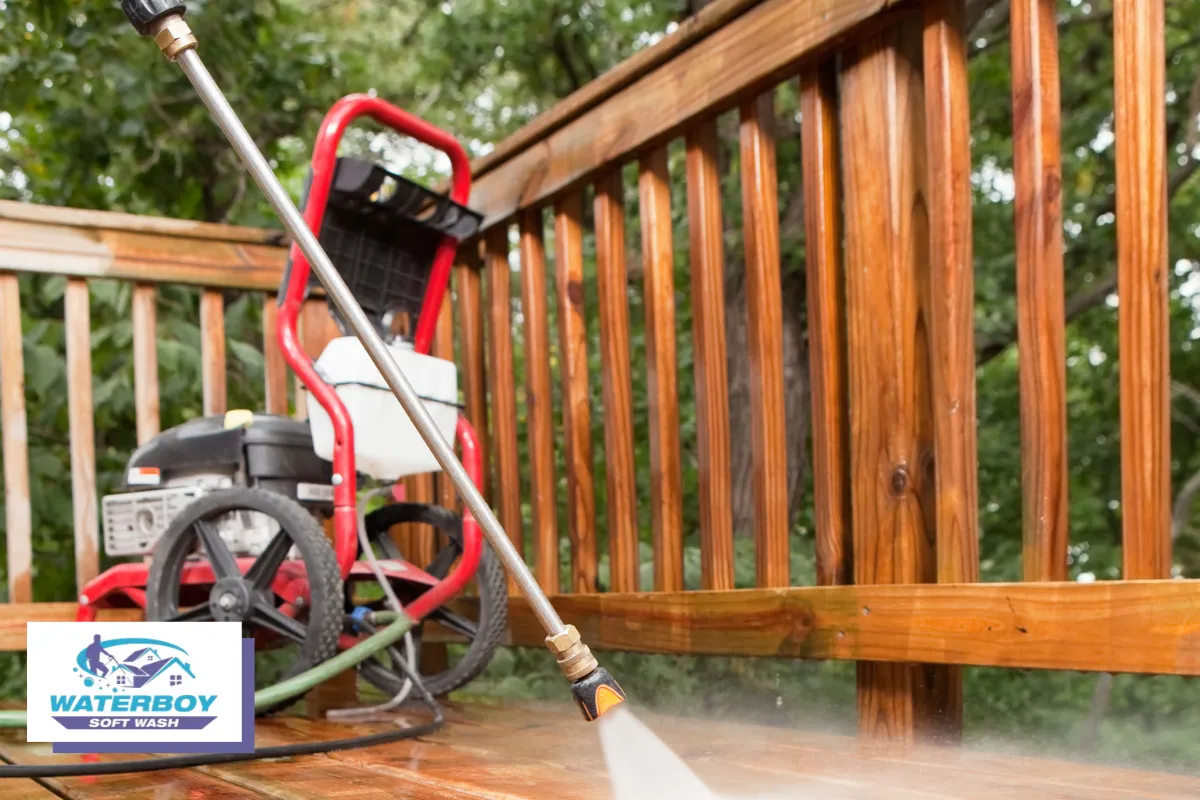
PSI is only part of the equation during deck washing. The nozzle you attach to the wand and the distance you hold it from the surface determine how much force actually contacts the wood.
Using the wrong nozzle can gouge wood surfaces instantly. A zero-degree red tip concentrates all force into a pencil-thin jet that will carve lines into any board within seconds. A 15-degree yellow tip is almost as aggressive. Neither belongs anywhere near a wood deck.
For most cases, stick with these safer options:
- 40-degree white tip: wide, gentle fan pattern suitable for soft wood and delicate boards
- 25-degree green tip: moderate pressure cleaning for sturdier material
Use a 25-degree spray tip for moderate pressure on sound, newer lumber. Hold the nozzle 18 inches away from the deck surface as a baseline. You can move closer on harder material if needed, but increasing distance is always safer than increasing pressure.
Keep the wand moving to avoid gouging wood fibers. Sweep in smooth, overlapping passes that follow the grain of the boards. Stopping the wand in one spot or spraying across the grain creates permanent, striped scars that no amount of sanding will fully erase.
Wood Types, Age, and Condition: Why Some Decks Fail Faster
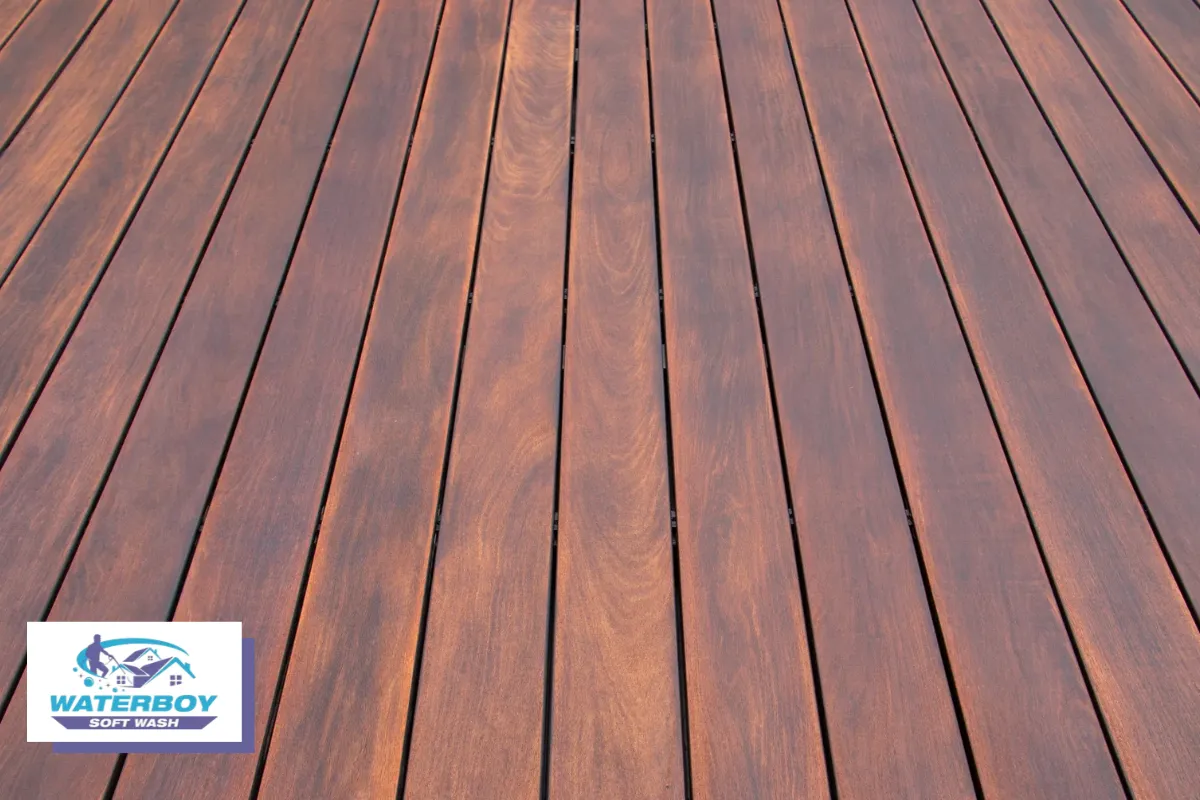
Not all decks across Chester County respond the same way to a power washer. Soft woods require lower pressure for cleaning compared to dense hardwoods, and that distinction matters more than most homeowners realize.
Pressure-treated pine is the most common deck material in southeastern Pennsylvania. It handles moderate pressure reasonably well when it is newer, but after five or more years of weather exposure, the surface fibers become brittle. Cedar and redwood are naturally softer and more prone to feathering. Composite boards have a protective cap layer that can be permanently etched if the wrong tip or excessive force is applied.
Older, weathered, or previously cracked boards are already weakened and can shred or split with even moderate pressure. If your deck has an existing stain or sealer, gentler methods help preserve the finish rather than stripping it prematurely. Decks shaded by tall trees, near pool decks, or with north-facing exposure tend to accumulate more algae and organic growth. These dirty spots need more chemistry and less force to come clean safely.
Local Climate Factors in Chester County That Raise the Stakes
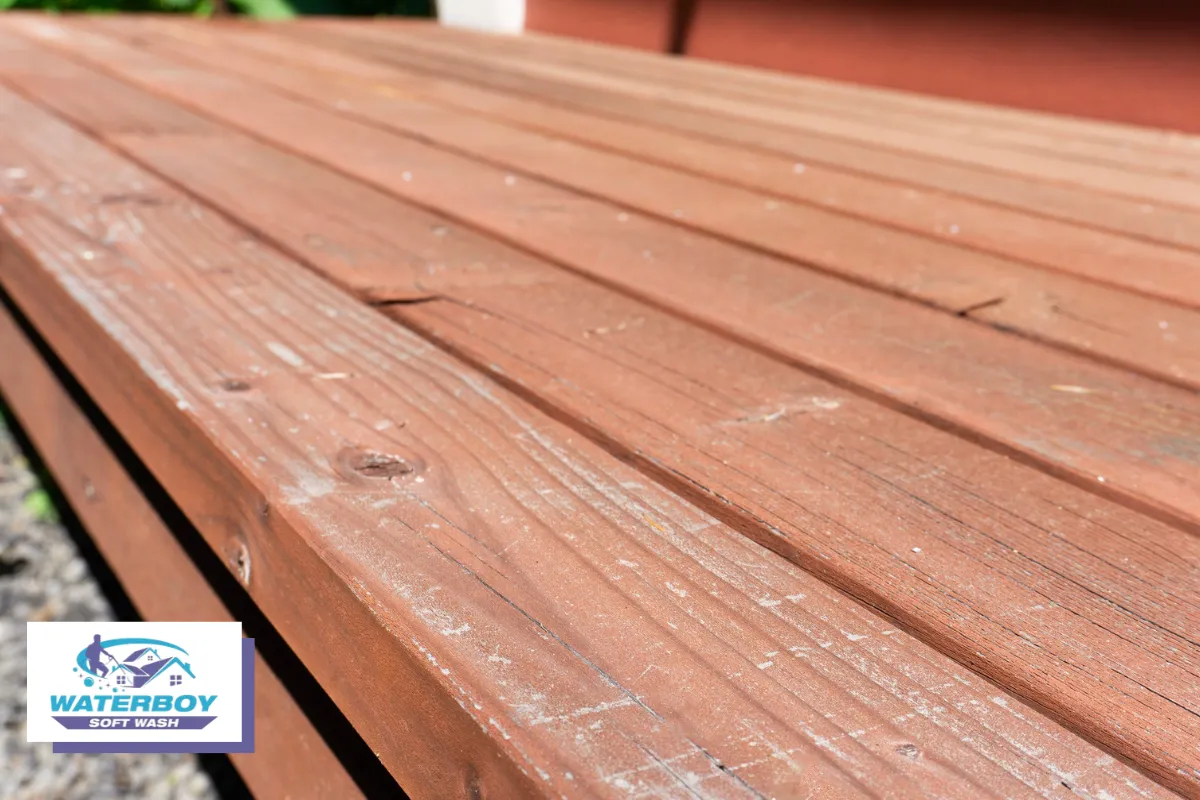
Chester County experiences high humidity and moisture that affect wood preservation year-round. The region sits within a hot-summer humid continental climate zone, which means decks endure a demanding cycle of seasonal extremes.
Winters bring repeated freeze-thaw cycles that expand and contract moisture inside cracks and grain openings. Heavy spring rains saturate boards, especially in shaded neighborhoods with dense tree cover. Summer humidity keeps surfaces damp longer, creating ideal conditions for mildew and algae. Leaf litter from deciduous trees builds up on floor boards and between railings, trapping moisture against the wood.
Humidity and freeze-thaw cycles can worsen pressure washing damage significantly. Once wood fibers are opened up by aggressive power wash methods, water soaks deeper during storms and expands when temperatures drop. That process widens checks and accelerates rot over time. The slippery buildup of algae and mold on shaded surfaces tempts homeowners to crank up the machine, but the real solution is better cleaning chemistry and lower pressure.
Annual inspection of railings, stairs, and high-traffic areas should be part of every homeowner’s seasonal maintenance plan. Gentle deck soft washing, timed for late spring or early summer after the final frost, is the safest approach for protecting your investment.
Read When Is Soft Washing Better Than Pressure Washing for Deck Cleaning in Chester County, PA?
Soft Washing vs. High-Pressure Washing on Decks
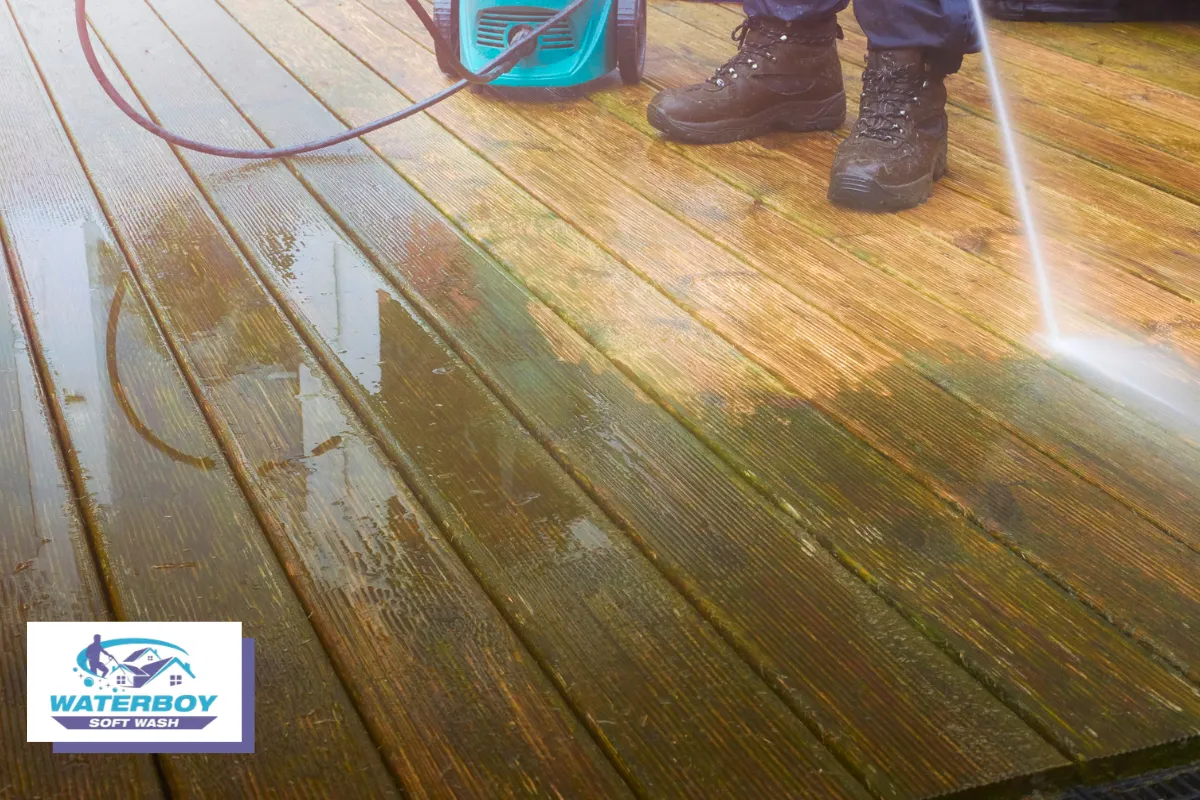
A soft wash approach is safer for cleaning wooden decks than high pressure in most situations. The difference comes down to how each method removes dirt, mildew, and organic growth from the surface.
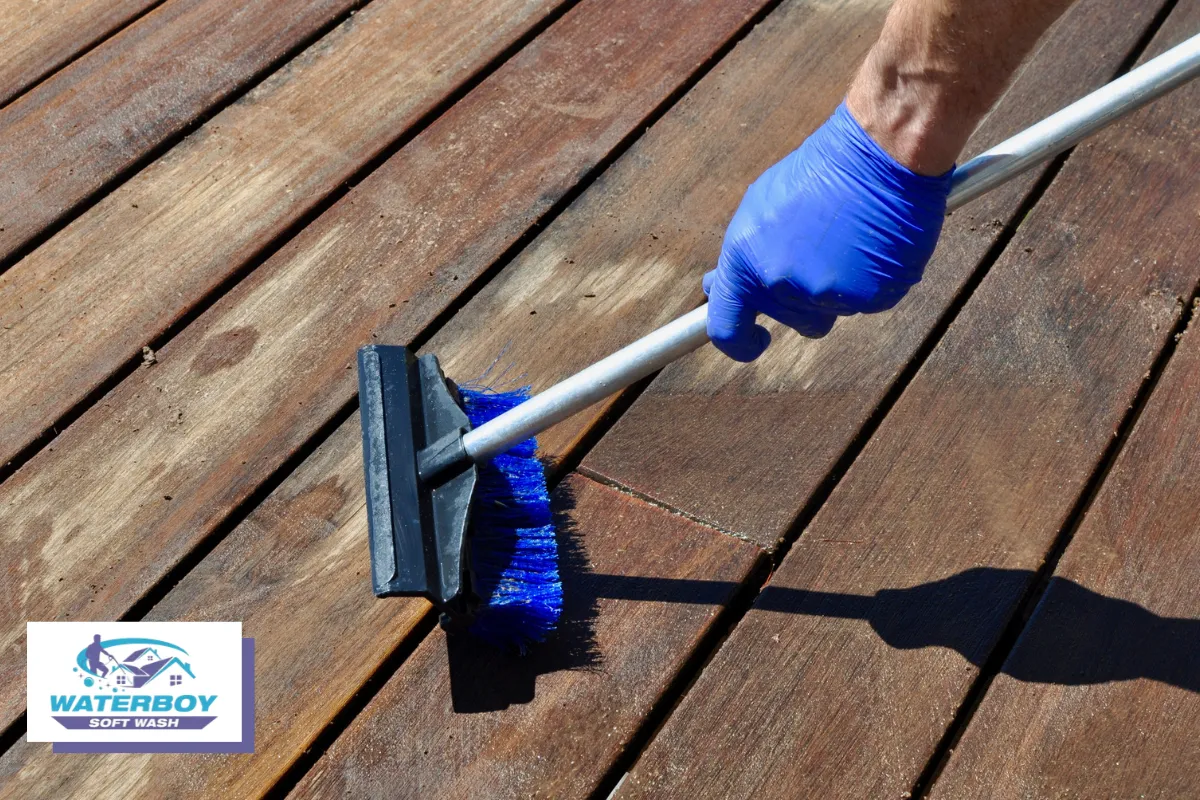
Soft washing relies on specialized detergents, oxygen bleach solutions, or mild cleaning agents applied at low pressure, often below 500 PSI or even at garden hose levels. These products break down algae and mold chemically, killing organisms at their roots rather than just shearing off the top layer. The result is a more thorough clean that lasts longer.
Traditional pressure washing decks at max machine output removes grime through sheer force. It works well on concrete and masonry, but on wood, the trade-off is real. Benefits of soft washing over high-pressure methods include:
- More even cleaning without visible marks or striping
- Lower risk of etching, splintering, or raised grain
- Better surface preparation for future staining or sealing
- Protection of railings, balusters, and nearby surfaces like siding
Moderate pressure is acceptable on newer, structurally sound boards, as long as proper tips and distances are used. But for most decks in Chester County, especially those over five years old, a combination of chemical pre-treatment and low-pressure rinsing delivers a clean deck without the hidden cost of fiber damage.
Step-by-Step: How to Pressure Wash a Deck Without Damaging It
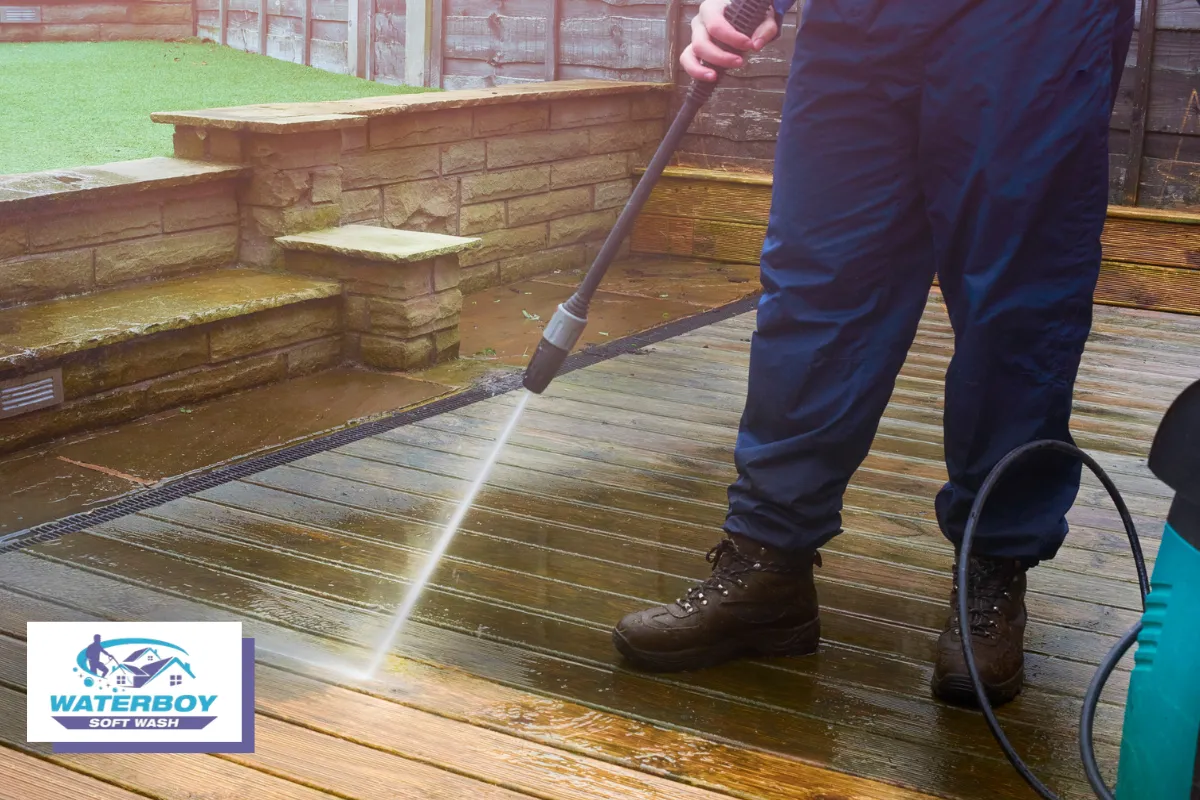
If you decide to pressure wash a deck yourself, following a careful process will help you avoid damage. Here is a practical sequence from start to finish:
- Clear the deck of all furniture, planters, and grills. Cover nearby plants and landscaping to protect them from cleaning agents and runoff.
- Inspect every board for rot, loose fasteners, soft spots, or existing cracks. Replace or secure any compromised material before you start.
- Pre-rinse the entire surface using a garden hose or a low-pressure setting to remove loose dirt, leaves, and debris trapped between boards.
- Apply an appropriate deck cleaner solution. Let it dwell for the time recommended on the label, keeping the surface damp to prevent streaks and dirty spots from drying in.
- Start pressure washing at a lower setting—around 500 to 800 PSI for weathered wood or 1,200 PSI for sound, treated lumber—then dial down based on how the wood responds. Test on a small, less visible corner first.
- Attach a 25-degree or 40-degree wide fan tip. Hold the wand approximately 18 inches from the surface.
- Make steady, overlapping passes with the grain. Keep the wand moving at all times. Never stop in one spot or sweep across the grain.
- Finish with a thorough rinse at reduced pressure to flush remaining cleaning agents off the boards and away from the deck.
- Allow the wood to dry completely. Moisture levels should drop below 15 to 20 percent before applying any stain or sealer.
Warning Signs Your Deck Has Already Been Pressure Washed Too Hard
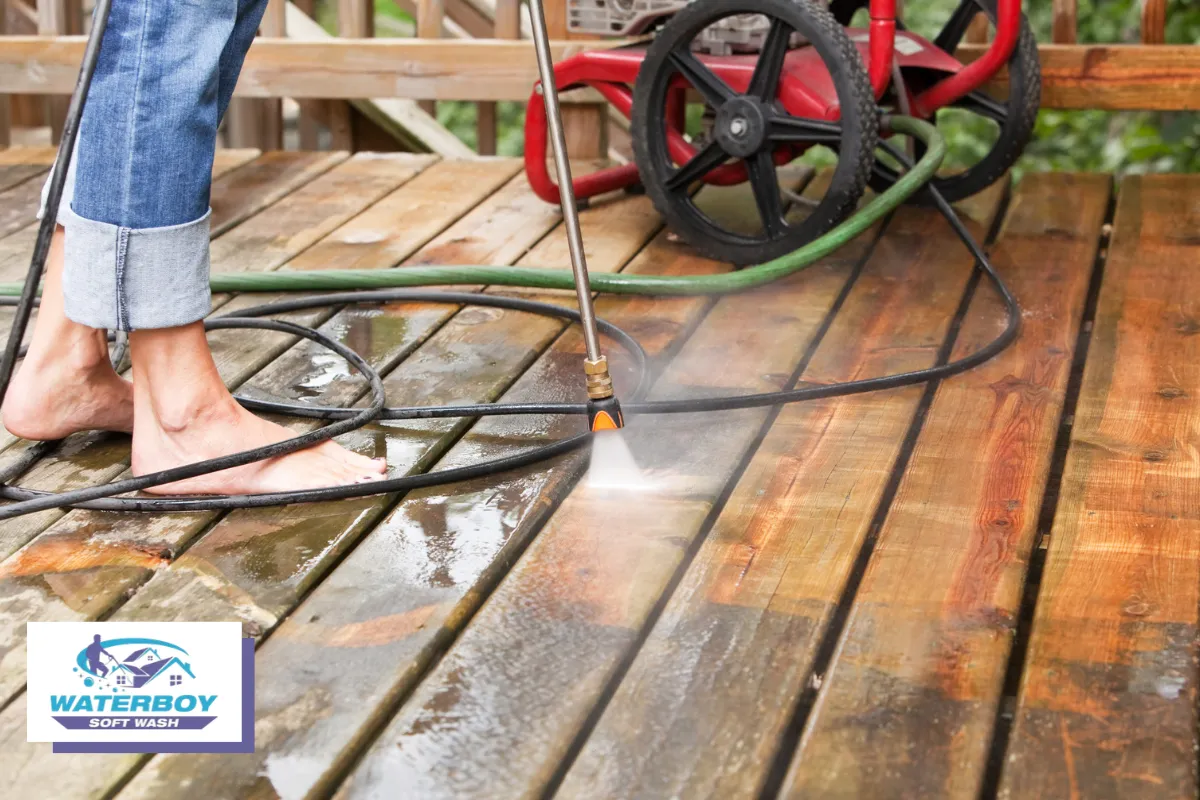
Many Chester County homeowners only realize the damage weeks or even months after their deck has been cleaned. By then, the evidence is hard to miss.
Rough, splintery boards indicate pressure washing damage and are one of the most common complaints. If walking barefoot feels uncomfortable or socks catch on raised grain, the surface fibers have been torn. Visible lines across deck boards suggest uneven pressure washing, often caused by holding the wand too close or stopping in one spot too long. These uneven marks sometimes appear as light and dark stripes running the length of the boards.
Staining issues are another telltale sign. When new stain soaks in irregularly, leaving blotches or tiger stripes, it usually means the wood was over-cleaned in some areas and under-cleaned in others. That inconsistency makes achieving a uniform finish nearly impossible without extra care and preparation.
Structural warning signs include hairline cracks widening after winter, edges of boards curling or lifting, and fastener heads becoming more exposed as surrounding wood erodes. If you spot any of these, allow the deck to dry fully, then consider light sanding with 80-grit paper or a belt sander on the worst sections. For severely scarred surfaces, consulting a professional is the smartest next step before the damage compounds.
Preventing Damage: Best Practices and Local Safety Considerations
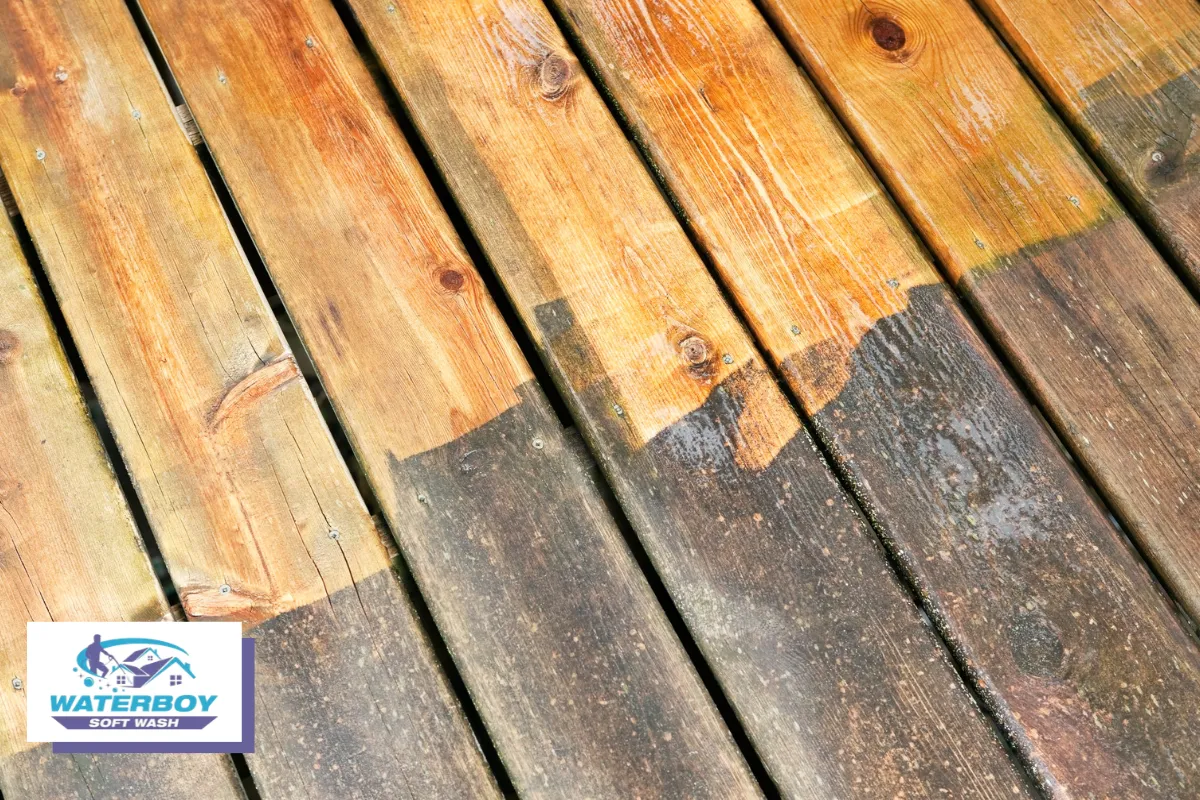
Good planning is the best protection for wood decks in the county. Several factors determine whether your cleaning session ends with a beautiful result or an expensive repair bill.
Safety basics for any homeowner using a pressure washer or power washer:
- Wear eye and hearing protection along with nonslip footwear
- Follow manufacturer instructions for both the machine and any cleaning products
- Manage cleaning solution runoff carefully to divert wash water away from storm inlets and onto permeable landscaping, ensuring compliance with Pennsylvania’s Clean Streams Law and local MS4 stormwater rules
- Read your decking manufacturer guidelines for PSI limits and approved cleaning agents
- Manage cleaning solution runoff to divert wash water away from storm inlets and onto permeable landscaping, ensuring compliance with Pennsylvania’s Clean Streams Law and local MS4 rules
- Check any HOA rules that may restrict certain cleaning methods or chemicals in your neighborhood
Controlled pressure, appropriate detergents, and soft washing approaches help comply with local expectations for safe exterior maintenance. These methods also improve safety for everyone who uses the deck by removing slippery buildup without creating rough, hazardous surfaces.
When to Call a Professional Deck Cleaning Service in Chester County
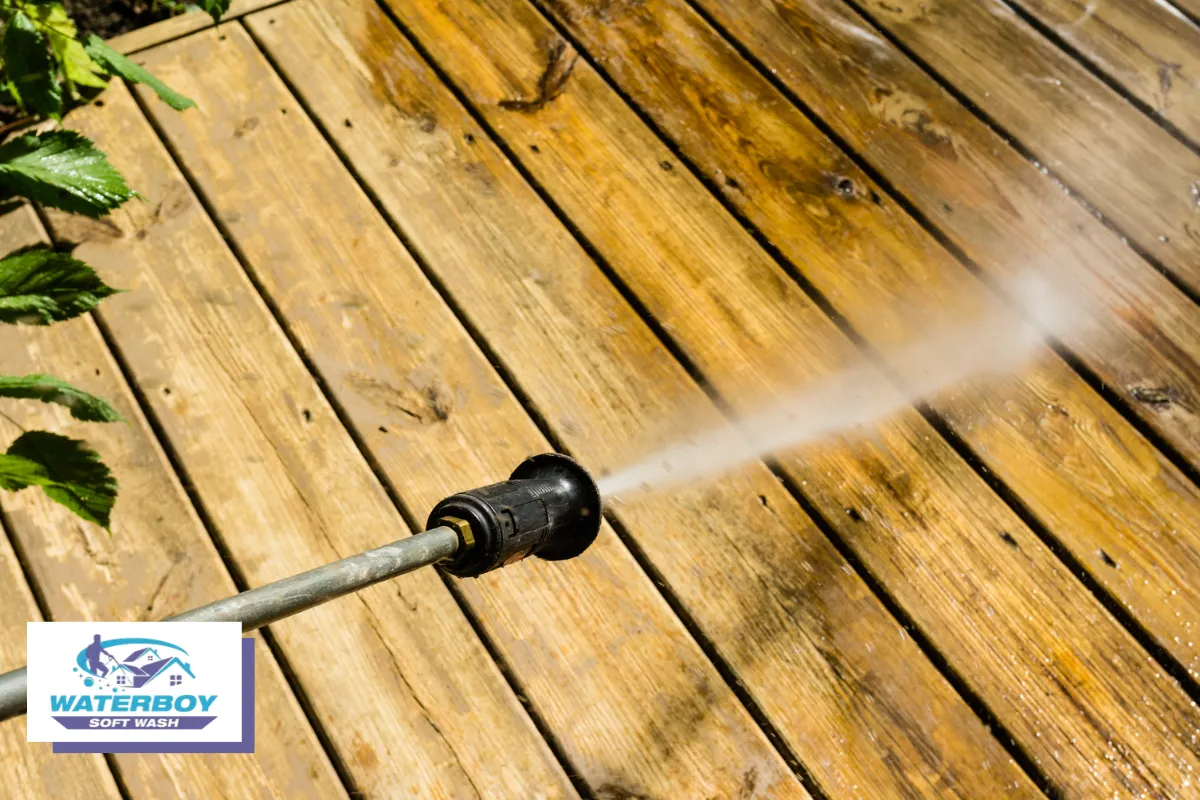
Not every deck is a safe candidate for DIY work, especially older or heavily stained ones where the risk of doing more harm than good is high. Most homeowners benefit from professional help in situations like these:
- Severe algae or mildew buildup that resists standard cleaning agents
- Previously damaged or weathered boards that could break or splinter further
- Multi-level decks or decks with complex railings and built-in features
- Lack of experience operating a power washer at appropriate settings
Professional cleaning prevents damage from high-pressure washing because trained crews understand the relationship between PSI, nozzle angle, and wood type. Professional cleaning uses controlled pressure to protect wood fibers while still removing stubborn grime and organic growth. Professional cleaning agents loosen dirt without harsh pressure, reducing the need for excessive force.
Regular professional cleaning helps maintain deck safety and appearance season after season, and professional cleaning can extend the life of deck boards by years. Many reputable companies in Chester County offer a free estimate and can recommend soft washing or low-pressure options tailored to your specific material. The long-term value is clear: reduced risk of costly replacement, better curb appeal before selling a home, and a safer outdoor space for entertaining.
Deck Cleaning in Chester County, PA – Water Boy Soft Wash

At Water Boy Soft Wash, we specialize in safe, low-pressure deck cleaning throughout Chester County, Pennsylvania. Our team understands that protecting your wood fibers while removing grime, algae, and mildew requires the right balance of chemistry and controlled technique, not brute force. We use soft wash and calibrated pressure methods that restore your deck boards to their natural beauty without the risks that come with high-pressure blasting. Whether your deck is weathered cedar, treated pine, or composite, we tailor our process to match the material and condition of your surface. Call us at (610) 812-7378 or fill out our contact form to request a free estimate. We are here to help you maintain a safe, beautiful outdoor space while avoiding the hidden damage that aggressive washing can cause. Recent reviews from homeowners across the county highlight our great communication and consistent results. Let Water Boy Soft Wash handle the hard part so you can enjoy your deck with confidence.
Frequently Asked Questions
What DIY Cleaning Products Are Safe to Use on a Wood Deck?
Oxygen bleach-based cleaners are generally the safest option for homeowners tackling dirt and mildew on a wood deck without professional equipment. Unlike chlorine bleach, oxygen bleach is less likely to damage wood fibers, harm nearby plants, or discolor the surface. You can also find commercially available deck cleaner solutions designed for specific materials like cedar or treated pine. Avoid using harsh acids or concentrated chlorine on natural wood, as these can break down lignin in the grain and cause graying or brittleness. Always rinse thoroughly after application and test any product on an inconspicuous section first, especially if your boards already have a stain or sealer in place.
How Long Should I Wait After Installing a New Deck Before Cleaning or Staining?
For pressure-treated lumber, most manufacturers recommend waiting 60 to 90 days before applying stain or sealer. This allows the wood to dry and acclimate to local conditions in Chester County, where humidity levels can slow the process. Cedar and redwood may be ready sooner, but testing moisture content with an inexpensive pin meter is the most reliable method. If moisture reads above 15 to 20 percent, the boards are not ready. Cleaning a brand-new deck too aggressively with a machine before it has properly cured can raise the grain and create extra care requirements that would not have been necessary otherwise.
How Long Does a Deck Need to Dry Before Staining After It Has Been Cleaned?
After washing, most wood decks need at least 48 to 72 hours of dry weather before staining or sealing. In Chester County, spring humidity and overnight dew can extend this timeline. The goal is to get the moisture content of each board below 15 to 20 percent. You can check this with a moisture meter pressed into the surface of several boards in different areas, including shaded sections that dry more slowly. Applying a finish to damp wood traps moisture inside, which can lead to peeling, bubbling, and premature failure of the new coat within only part of a single season.
Is It Safe to Pressure Wash a Deck During Winter in Chester County?
Winter washing is generally not advisable in Chester County. Temperatures near or below freezing create dangerous conditions both for the homeowner and the wood. Water forced into cracks and grain openings can freeze and expand overnight, widening checks and causing structural damage. Ice on the deck surface after cleaning creates a serious slip hazard. If your deck needs attention during colder months, a light sweep and inspection is a better approach. Schedule a thorough cleaning and any needed sanding or staining for late spring, after the last frost and before peak summer humidity sets in. That timing also pairs well with seasonal contractor availability across Chester County.
How Do I Know If My Deck Is Too Damaged to Clean and Needs Replacement Instead?
If boards flex significantly under foot traffic, feel spongy when probed with a screwdriver, or show widespread rot rather than surface dirt, the deck may be past the point where cleaning alone can help. Other signs include multiple boards with deep structural cracks, extensive mold penetrating through the full thickness of the material, and fasteners pulling free from joists. A professional inspection can determine whether targeted board replacement or a full rebuild is the more cost-effective path. In most cases, isolated sections can be swapped out while the rest of the deck is cleaned and restored, saving you the expense of a complete tear-down.
Disclaimer: This article provides general guidance on deck cleaning methods and safe pressure ranges for Chester County, PA. It is not a substitute for manufacturer instructions, local regulations, or professional assessment of your specific deck condition. Always consult a qualified service provider for structural concerns.
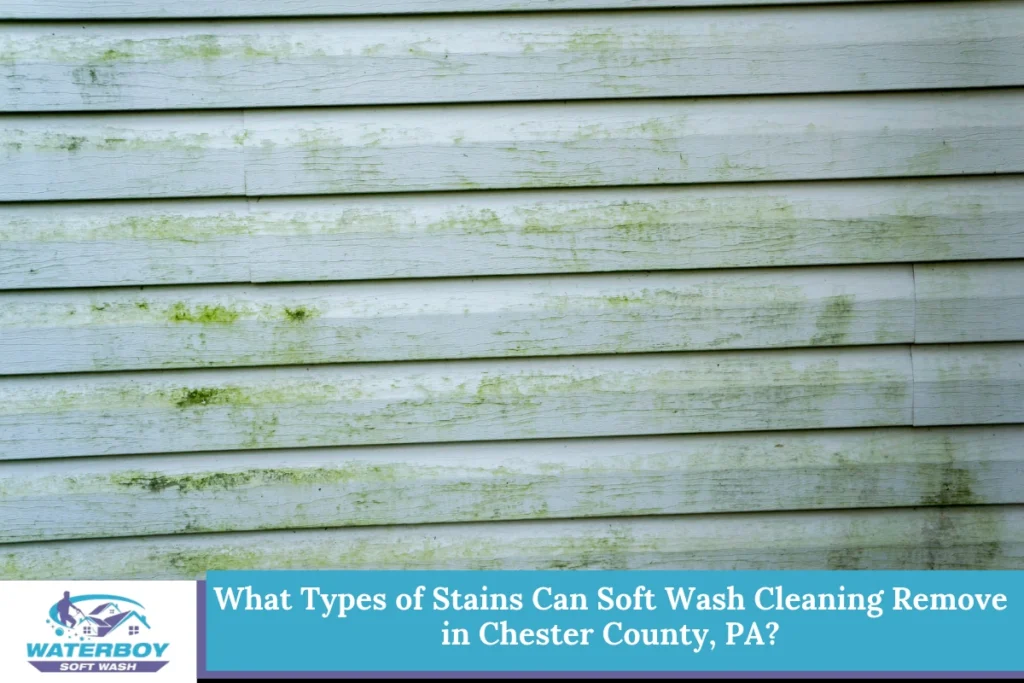
Read What Types of Stains Can Soft Wash Cleaning Remove in Chester County, PA?