

Why Cleaning Alone Isn’t Enough for Long-Lasting Concrete
Concrete Cleaning in Coatesville, PA is one of the most effective ways to restore driveways, sidewalks, patios, and commercial surfaces—but what happens after the dirt is gone? Many homeowners and property managers assume that once the surface looks clean, the job is complete. Unfortunately, that’s when problems can begin. Without proper protection, concrete can quickly absorb moisture, oil, salt, and organic growth, leading to staining, cracking, and premature wear.
The solution isn’t just cleaning—it’s protection. By combining proper concrete washing techniques with sealing, drainage management, and ongoing maintenance, you can extend the life of your surface and keep it looking like new for years. Here’s exactly how to do it the right way.
What Happens to Concrete After It’s Cleaned?
When you perform professional concrete cleaning—whether through concrete pressure washing or soft washing—you remove:
- Mold and mildew
- Algae and moss
- Oil and grease stains
- Efflorescence
- Dirt and environmental pollutants
- Road salt buildup
That’s a great start. But cleaning also opens up the surface pores of the concrete. Concrete is porous by nature. After concrete washing, those pores are even more exposed, meaning the material is more vulnerable to water intrusion, freeze-thaw damage, and staining if not protected properly.
In Coatesville, where seasonal temperature swings and winter salt application are common, leaving concrete unprotected can shorten its lifespan significantly.
Step 1: Allow the Concrete to Fully Dry
Before applying any protection, the surface must dry completely.
Why Drying Matters
Sealers and protective coatings bond best to dry concrete. Trapped moisture can:
- Cause whitening or hazy appearance
- Reduce sealer adhesion
- Lead to peeling or flaking
- Promote mold beneath the coating
In southeastern Pennsylvania’s climate, drying may take:
- 24–48 hours in warm, dry weather
- Longer in humid or cooler conditions
If you recently completed concrete pressure washing, patience is critical. Rushing this step can undo all the benefits of cleaning.
Step 2: Apply a High-Quality Concrete Sealer
Sealing is the single most effective way to protect concrete after cleaning.
Types of Concrete Sealers
There are several categories commonly used after concrete cleaning:
- Penetrating Sealers
- Absorb into the concrete
- Provide invisible protection
- Excellent for freeze-thaw climates
- Ideal for driveways and sidewalks
- Acrylic Sealers
- Create a thin surface film
- Enhance color slightly
- Good for decorative or stamped concrete
- Polyurethane or Epoxy Coatings
- Provide heavy-duty protection
- Common in commercial or garage floors
For Coatesville properties, penetrating sealers are often recommended due to Pennsylvania’s winter conditions and the regular use of deicing salts.
Benefits of Sealing
- Reduces water absorption
- Minimizes cracking from freeze-thaw cycles
- Protects against oil and chemical stains
- Prevents mold and algae regrowth
- Extends the lifespan of the surface
After professional concrete washing, sealing locks in the clean appearance.
Step 3: Improve Drainage Around the Surface
Even the best concrete cleaner cannot solve poor drainage.
Water Is the Biggest Threat
Standing water leads to:
- Surface scaling
- Spalling
- Structural weakening
- Mold growth
Make sure:
- Downspouts direct water away
- Gutters are clean and functioning
- Grading slopes away from foundations
- Expansion joints are intact
In Coatesville, local stormwater regulations require proper runoff management to prevent contamination of municipal systems. Avoid directing wash water or chemical runoff into storm drains without proper containment, as Pennsylvania environmental regulations prohibit discharging pollutants into waterways.
Professional concrete cleaning providers often use best management practices to comply with state and municipal requirements.
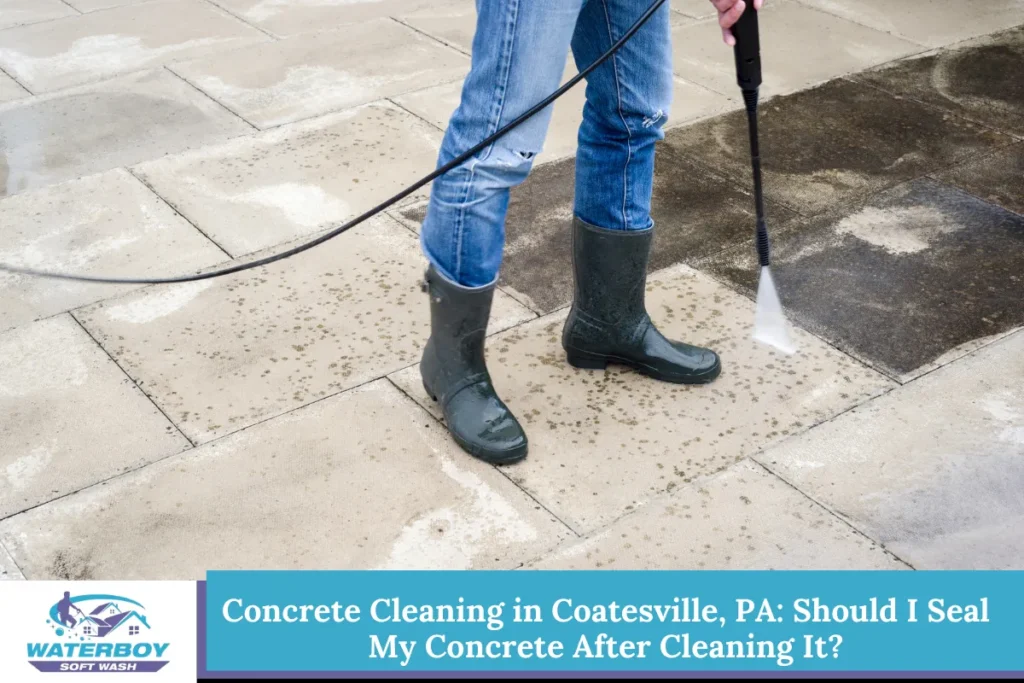
Read Concrete Cleaning in Coatesville, PA: Should I Seal My Concrete After Cleaning It?
Step 4: Address Cracks and Joints Immediately
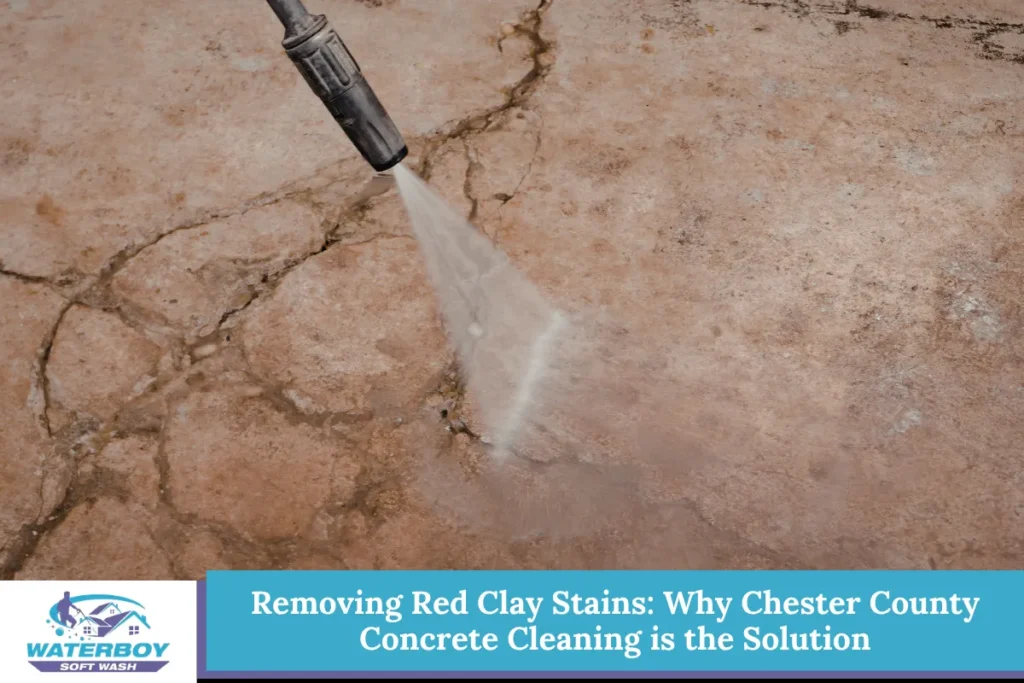
After concrete pressure washing, small cracks often become more visible.
Why Repairs Matter
Water enters through cracks. In winter, it freezes and expands. This leads to:
- Larger fractures
- Surface lifting
- Trip hazards
Use appropriate crack fillers or joint sealants designed for exterior concrete. Early intervention prevents costly repairs later.
Step 5: Schedule Routine Maintenance
Concrete protection is not a one-time event.
Maintenance Timeline
- Annual inspection for cracks or wear
- Resealing every 2–5 years depending on product
- Light surface cleaning annually
- Immediate stain treatment when spills occur
Routine concrete cleaning removes contaminants before they cause permanent damage. Soft washing is particularly useful for maintaining patios or walkways with recurring algae growth.
Concrete Pressure Washing vs. Soft Washing: What’s Best for Ongoing Protection?
Both methods play a role in protecting your investment.
Concrete Pressure Washing
- Uses high-pressure water
- Effective for heavy buildup
- Removes embedded dirt and stains
- Best for driveways and commercial lots
However, excessive pressure can etch the surface if performed incorrectly.
Soft Washing
- Uses lower pressure
- Relies on specialized cleaning solutions
- Ideal for delicate or decorative concrete
- Safer for older surfaces
For long-term protection, many professionals alternate between full concrete washing and gentle maintenance cleaning.
The Role of Deicing Salt in Coatesville
Pennsylvania winters bring snow and ice. Deicing salts are common, but they are harsh on concrete.
How Salt Damages Concrete
- Increases water absorption
- Accelerates freeze-thaw cycles
- Causes surface scaling
To protect your concrete:
- Seal before winter
- Use calcium magnesium acetate instead of rock salt when possible
- Remove snow promptly
- Rinse residue in early spring
Concrete cleaning in spring is essential to remove salt buildup before it causes long-term deterioration.
Oil and Grease Protection for Driveways
Driveways are particularly vulnerable.
After concrete washing, apply a sealer designed to resist petroleum products. If oil stains reappear:
- Blot fresh spills immediately
- Apply absorbent materials
- Use a degreasing concrete cleaner
- Rinse thoroughly
Commercial concrete cleaning services often use industrial-grade degreasers that penetrate deeper than store-bought products.
Protecting Decorative and Stamped Concrete
Stamped and colored concrete require extra care.
Key Considerations
- Avoid harsh chemicals
- Use neutral-pH concrete cleaner
- Reapply acrylic sealers periodically
- Avoid metal snow shovels
Decorative surfaces benefit significantly from soft washing techniques that prevent surface wear.
Environmental Responsibility and Local Compliance
In Coatesville and throughout Chester County, property owners must ensure that cleaning runoff does not contaminate storm drains. The Pennsylvania Clean Streams Law prohibits discharge of pollutants into surface waters.
Responsible concrete cleaning includes:
- Capturing wastewater when necessary
- Using biodegradable cleaning solutions
- Avoiding hazardous chemicals
- Preventing sediment discharge
Working with professionals ensures compliance with local and state environmental regulations.
Commercial Property Considerations
Businesses in Coatesville must maintain safe walkways to reduce liability risks.
Post-cleaning protection is especially important for:
- Retail storefronts
- Restaurants
- Warehouses
- Apartment complexes
- Municipal buildings
Slip-resistant sealers can improve traction and enhance safety.
Commercial concrete cleaning should include routine inspections and scheduled maintenance to avoid code violations and injury claims.
How Often Should You Reseal Concrete?
Frequency depends on:
- Traffic levels
- Weather exposure
- Type of sealer
- Surface age
Typical timeline:
- Residential driveway: every 2–3 years
- High-traffic commercial area: every 1–2 years
- Decorative patio: every 2–4 years
If water no longer beads on the surface, it’s likely time to reseal.
Signs Your Concrete Needs Protection Again
Watch for:
- Darkening when wet
- Visible stains returning quickly
- Surface flaking
- Small cracks expanding
- Faded appearance
Regular concrete washing combined with protective treatments prevents these issues from escalating.
Keep Your Concrete Looking Strong for Years
Cleaning your concrete is only the first step. Real protection comes from sealing, managing water flow, repairing cracks early, and maintaining the surface regularly. In Coatesville’s changing seasons, proactive care prevents costly damage and keeps your property safe and attractive. Whether residential or commercial, combining professional concrete washing with proper protection strategies ensures your investment lasts for decades.
Concrete Cleaning in Coatesville, PA – Water Boy Soft Wash
At Water Boy Soft Wash, we specialize in professional concrete cleaning for homes and businesses throughout Coatesville, Pennsylvania. We don’t just remove stains—we help protect your investment for the long term. Our team uses safe concrete pressure washing and soft washing methods tailored to your surface type. After cleaning, we guide you on sealing and maintenance options to prevent cracking, staining, and weather damage. Whether you need driveway restoration or commercial concrete cleaning, we’re ready to help. Call us at (610) 812-7378 or fill out our contact form today. We take pride in delivering reliable service, lasting results, and surfaces that stay cleaner longer.
Frequently Asked Questions
Frequently Asked Questions
1. Can sealing concrete make it slippery?
Sealers can create a smoother finish, especially film-forming types like acrylics. However, many modern products include anti-slip additives that improve traction. For commercial properties in Coatesville, slip resistance is important for liability reasons. When applied correctly, a penetrating sealer does not significantly change surface texture. If you are concerned about safety, ask about traction-enhancing additives. Proper application and choosing the right product for the surface type are key factors in maintaining safety.
2. Is it safe to seal concrete in cold weather?
Temperature plays a major role in sealer performance. Most products require surface and air temperatures above 50°F during application and curing. Applying sealer in cold conditions can prevent proper bonding and lead to cloudiness or failure. In Pennsylvania, spring and early fall are often ideal times. Always check manufacturer guidelines before application. Planning around weather ensures maximum durability and proper protection.
3. How do I know if my concrete was previously sealed?
A simple water test can help. Pour a small amount of water onto the surface. If it beads up, a sealer may still be present. If it absorbs quickly and darkens the surface, protection has likely worn off. Keep in mind that some sealers degrade unevenly. Visual signs like peeling or flaking may indicate an old film-forming coating that needs removal before resealing.
4. Does pressure washing damage concrete over time?
When performed correctly, concrete pressure washing is safe and effective. However, excessive pressure or improper technique can etch the surface, weaken the top layer, or expose aggregate. Hiring trained professionals ensures appropriate pressure levels are used. Routine cleaning with the right equipment extends surface life rather than shortens it. Proper technique matters more than the machine itself.
5. What is the difference between residential and commercial concrete protection?
Commercial surfaces typically experience heavier traffic, exposure to chemicals, and stricter safety requirements. This means more frequent cleaning, higher-performance sealers, and slip-resistant coatings may be necessary. Residential surfaces focus more on appearance and weather resistance. Both require routine care, but commercial concrete cleaning often follows a structured maintenance schedule to reduce liability and maintain property value.
Disclaimer: This article is for informational purposes only and does not constitute legal or environmental compliance advice. Property owners in Coatesville, Pennsylvania should consult local regulations and professionals regarding stormwater management and environmental requirements before performing concrete cleaning or sealing work.
Read Can I Remove Paint With Power Washing in Coatesville, PA?