

Why Homeowners Question Annual Sealing
Concrete cleaning is one of the most overlooked parts of property maintenance in Chester County, yet it directly impacts durability and curb appeal. Many homeowners wonder if they truly need to reseal every year—or if that advice is simply overkill. The problem is confusion: too much sealing can waste money, while too little maintenance leads to cracks, stains, and costly repairs. This uncertainty often leads to neglect, allowing dirt, oil stains, and moisture to damage surfaces over time. The solution lies in understanding how cleaning concrete and proper sealing work together, and when each is actually necessary for long-term protection.
What Happens to Concrete Without Proper Care
Concrete may seem tough, but it’s surprisingly vulnerable to environmental stress. Over time, outdoor surfaces like driveways, patios, and walkways face:
- Heavy foot traffic
- Oil and grease spills
- Mold, mildew, and algae growth
- Freeze-thaw cycles
- Salt deposits from winter treatments
Concrete exposed to freeze-thaw cycles can develop cracks due to internal pressure from expanding water. This makes regular maintenance essential, especially in climates that experience seasonal changes.
Without routine concrete washing, dirt and contaminants settle deep into the pores. This leads to stubborn grime that weakens the surface and dulls its appearance.
The Role of Concrete Cleaning Before Sealing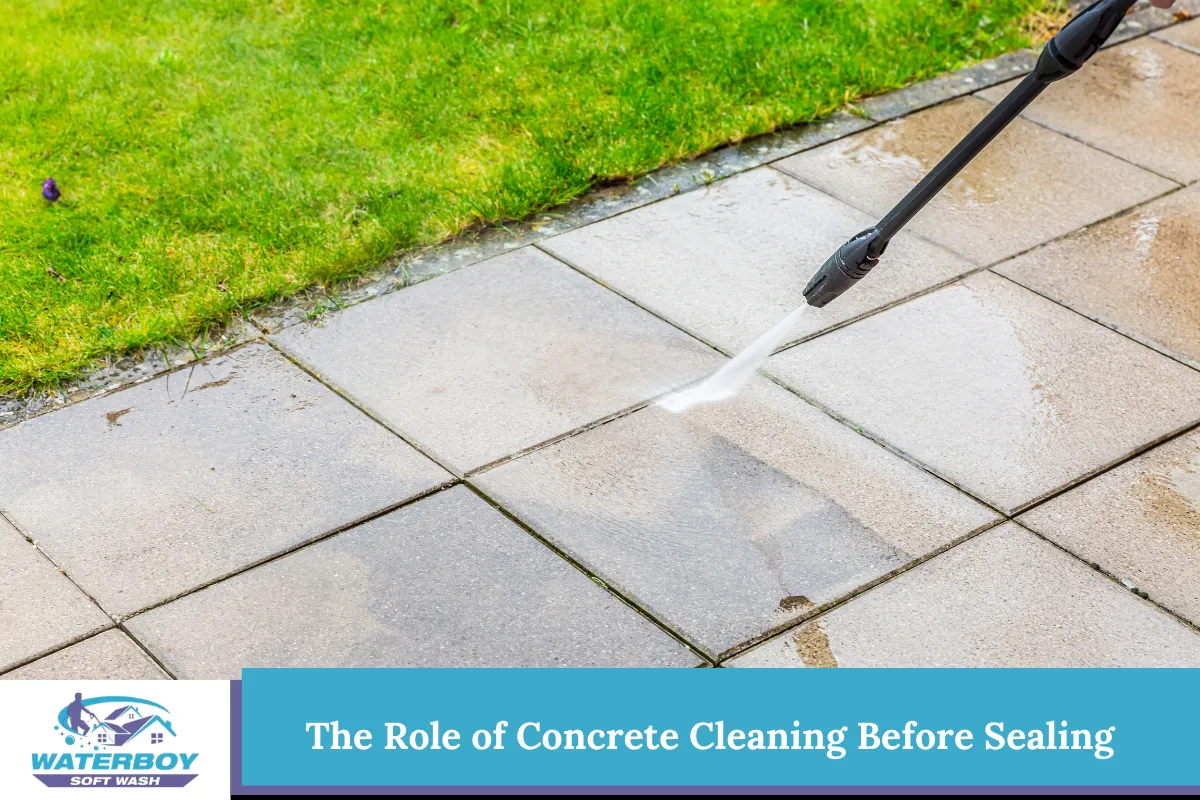
Before any sealing happens, proper cleaning is non-negotiable. A deep clean removes loose debris, stains, and buildup that could interfere with adhesion.
Before cleaning concrete, it’s important to assess the surface for stains, cracks, or damage, as using high pressure on compromised surfaces can worsen existing issues.
Common Cleaning Methods
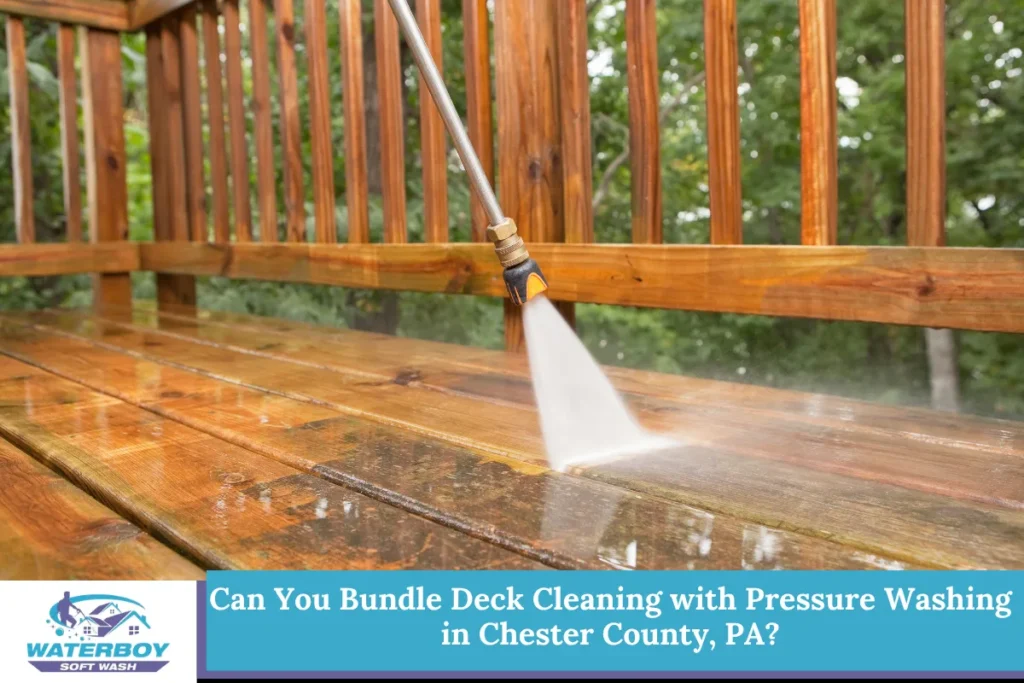
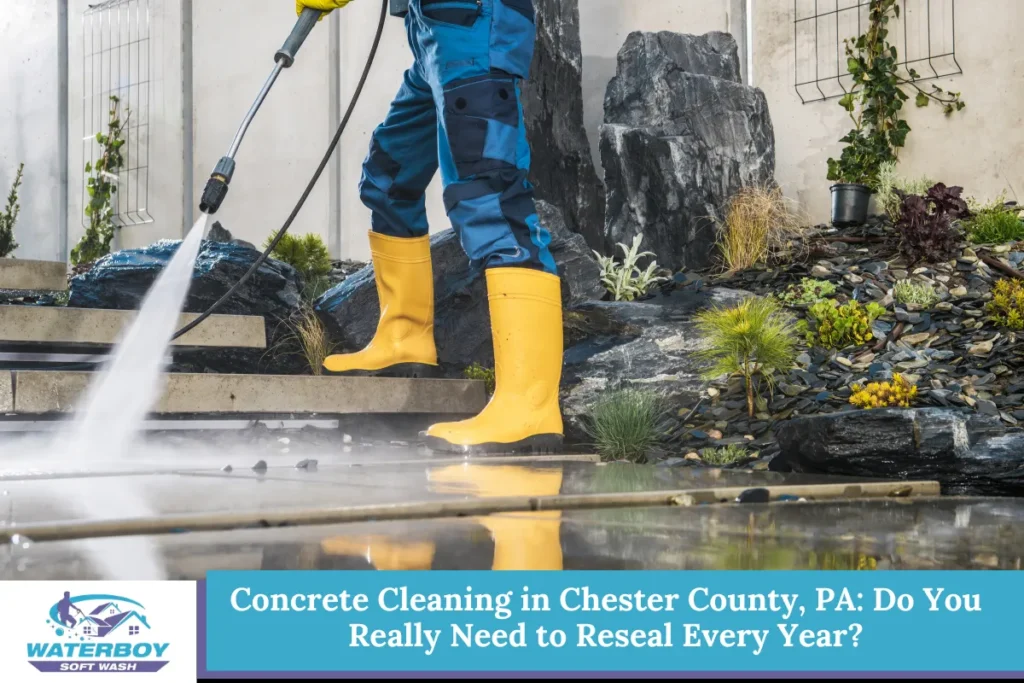
Pressure Washing Concrete
Pressure washing uses cold water and is effective for routine maintenance and cleaning mildly dirty concrete surfaces, while power washing uses heated water, making it more effective for removing stubborn stains like oil and grease.
Power Washing vs Pressure Washing
Power washing is generally more expensive to rent or buy than pressure washing, as it is often used for industrial cleaning on a larger scale due to its effectiveness with tough stains.
Both pressure washing and power washing are effective methods for cleaning concrete, but the choice between them depends on the specific cleaning needs, such as the level of dirt and the type of stains present.
Soft Washing for Delicate Areas
Soft washing uses a gentle cleaning solution and low pressure to remove mold and organic growth without causing surface damage. This method is ideal for decorative or aging concrete surfaces.
Understanding PSI and Equipment for Safe Cleaning
Pressure washers are available in various sizes and power ratings, typically measured in PSI (pounds per square inch), which determines their effectiveness in cleaning surfaces.
The ideal PSI range for cleaning concrete effectively without causing damage is between 2,500 and 3,000 PSI. Using a pressure washer with a PSI of 3,000 is considered optimal for residential concrete cleaning, balancing power and surface safety.
Best Practices for Pressure Cleaning Concrete
- Use the right nozzle to prevent etching
- Avoid too much pressure in one spot
- Keep a consistent spray pattern
- Test a hidden area before full cleaning
Using the right nozzle is crucial when cleaning concrete; a nozzle that provides a wide spray pattern or a surface cleaning attachment can help avoid concentrating too much pressure on one spot, which can cause damage.
For effective cleaning, it’s recommended to spray at a 45-degree angle to help lift dirt and debris without driving it deeper into the concrete pores.
How Often Should You Clean Concrete Surfaces?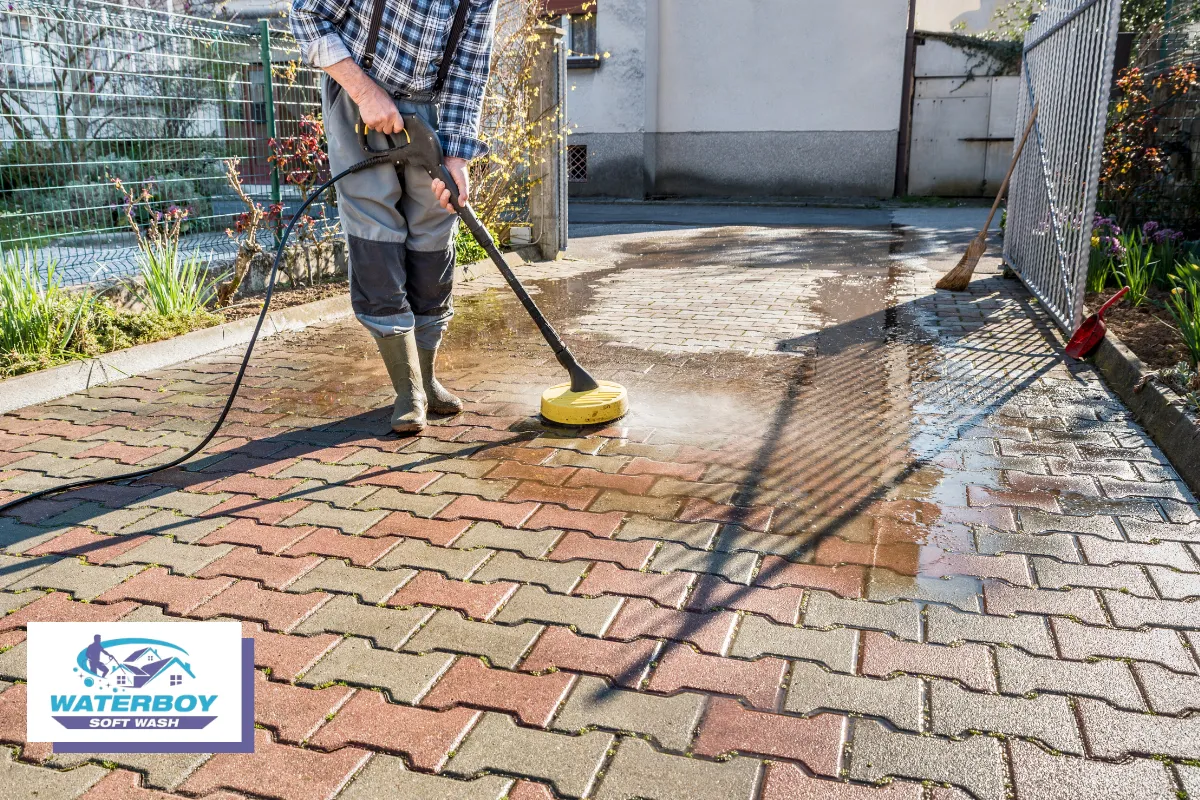
It is generally recommended to clean concrete surfaces at least once a year to prevent dirt and grime buildup and maintain their appearance.
Cleaning concrete in the spring or early summer is often preferred as it allows for the removal of winter debris and prepares the surface for outdoor activities.
Regular cleaning helps:
- Remove dirt and stains
- Improve curb appeal
- Prevent long-term damage
- Prepare surfaces for sealing
Do You Really Need to Reseal Every Year?
Here’s the truth: resealing every year is rarely necessary.
For most homes, sealing concrete floors every 2 to 5 years is ideal, especially in high-traffic areas where wear is more pronounced.
Experts generally recommend resealing concrete driveways every 2 to 3 years, depending on the sealant quality, weather conditions, and usage.
Signs Your Concrete Needs Resealing
- Water no longer beads on the surface
- Fading color or dull appearance
- Visible cracks or wear
- Increased staining
Water that beads on the surface indicates that the existing seal is still functional.
Water penetrating a concrete surface can lead to dullness, fading color, or emerging hairline cracks, indicating the need for resealing.
Read 5 Pro Concrete Cleaning Secrets to Prevent Future Stains in Chester County, PA
How Long Sealers Actually Last
Most professional-grade sealers are designed to last multiple seasons, with penetrating sealers protecting for 3 to 10 years and topical acrylic sealers lasting 1 to 3 years.
Sealers can enrich the color of decorative stamped concrete and provide a finished look such as glossy, satin, or matte.
However, excessive application of acrylic sealers can cause the sealer to peel or turn white due to buildup.
Applying fresh coats of sealant too frequently can trap moisture beneath the surface, causing delamination, flaking, or a hazy appearance.
Environmental Factors That Affect Sealing Frequency
Chester County’s climate plays a major role in how often you should reseal.
Frequent freeze-thaw cycles and periods of heavy rainfall require regular sealing to prevent water infiltration into concrete.
The use of road salts in winter can accelerate the breakdown of concrete and its sealer, which may shorten the maintenance window to around 2 years.
Sealants create a barrier that prevents water from soaking into concrete pores, where it would freeze and cause cracks or spalling.
Sealed surfaces resist the corrosive effects of de-icing salts used on roads, which can pit and erode untreated concrete.
Timing Matters: When to Apply Sealant
The optimal timing for sealant application in Pennsylvania is from late spring to early fall when temperatures are consistently above 50°F and the surface can dry for at least 24–48 hours.
The correct conditions for sealant application include dry weather and temperatures between 50°F and 90°F to prevent improper curing.
Benefits of Proper Sealing (Without Overdoing It)
Sealants block oil, grease, and chemicals from penetrating concrete surfaces, making cleaning easier.
By blocking moisture, sealants help prevent the growth of mold, mildew, and algae common in damp shaded areas.
Specialized care is recommended for high-traffic areas or decorative concrete to maintain appearance and prevent damage.
Step-by-Step Maintenance Approach That Works
Instead of sealing every year, follow this smarter approach:
- Inspect annually
- Perform concrete washing as needed
- Address cracks early
- Reseal only when necessary
- Use the right cleaning method for your surface
A yearly inspection for cracks or fading is recommended, applying sealer only when the existing coat shows clear signs of wear.
Final Thoughts on Smart Concrete Maintenance
The idea that concrete needs resealing every year is a common misconception. With proper concrete cleaning, routine inspections, and the right sealing schedule, you can protect your surfaces without overspending. Focus on condition—not the calendar—and your concrete will last longer, look better, and perform as it should.
Concrete Cleaning in Chester County, PA – Water Boy Soft Wash
We understand that maintaining your concrete surfaces isn’t just about appearance—it’s about protecting your investment. At Water Boy Soft Wash, we provide expert concrete cleaning services designed to safely remove dirt, oil stains, and buildup without causing damage. Whether you need pressure washing concrete for your driveway or soft washing for delicate surfaces, we use the right techniques for lasting results. Our team helps homeowners avoid unnecessary resealing while keeping surfaces clean and protected year-round. Call us today at (610) 812-7378 or fill out our contact form to schedule your service. We’re proud to serve Chester County with reliable, professional care you can trust.
Frequently Asked Questions
How do I know if my concrete sealer has failed?
A failed sealer often shows through visible wear such as discoloration, patchy areas, or increased absorption of water. If your concrete quickly absorbs water instead of repelling it, the protective barrier has likely worn off. You may also notice that stains appear more easily or that the surface feels rougher than before. Another indicator is the presence of mold or mildew, which can grow more easily once the seal is compromised. Regular inspections help catch these signs early, allowing for timely maintenance without unnecessary resealing.
Can I clean and seal concrete myself?
Yes, but it requires proper tools, knowledge, and technique. Using a pressure washer incorrectly can lead to surface damage, especially if the PSI is too high or the nozzle is too narrow. Applying sealant also requires careful timing and weather conditions to ensure proper curing. Many DIY projects fail due to uneven application or poor surface preparation. While small jobs may be manageable, larger areas or heavily stained concrete often benefit from professional cleaning and sealing to ensure durability and consistent results.
What type of concrete sealer is best for driveways?
The best sealer depends on your specific needs. Penetrating sealers are ideal for long-term protection and resistance to moisture, while acrylic sealers offer a more decorative finish. Driveways exposed to heavy traffic and harsh weather typically benefit from penetrating sealers due to their durability. However, if appearance is a priority, acrylic options may be preferred. Choosing the right product also depends on the condition of the concrete and how often it’s maintained through cleaning and inspections.
Does sealing concrete prevent all stains?
Sealing significantly reduces the risk of stains but does not make concrete completely stain-proof. Sealants act as a barrier that slows down absorption, giving you more time to clean spills before they set. Oil, grease, and chemical spills can still penetrate if left untreated for too long. Regular concrete cleaning helps maintain the effectiveness of the sealant by removing contaminants before they cause permanent damage. Combining proper sealing with routine cleaning provides the best protection.
How long should I wait after cleaning before sealing?
After concrete washing, it’s essential to allow the surface to fully dry before applying any sealant. This typically takes 24 to 48 hours, depending on weather conditions such as humidity and temperature. Sealing damp concrete can trap moisture, leading to poor adhesion and long-term issues like peeling or cloudiness. Always ensure the surface is completely dry and free of debris before sealing. Proper timing ensures the sealant bonds effectively and provides lasting protection.
Disclaimer: This article is for informational purposes only and does not replace professional advice. Always assess your specific concrete conditions and consult qualified professionals for cleaning and sealing services tailored to your property.
Read Removing Red Clay Stains: Why Chester County Concrete Cleaning is the Solution